Things You'll Need
Natural bristle or foam paintbrush
Medium, fine and extra fine sandpaper
Sanding block
Sanding respirator
Vacuum cleaner or air compressor
Clean, damp rag
Paint stirrer
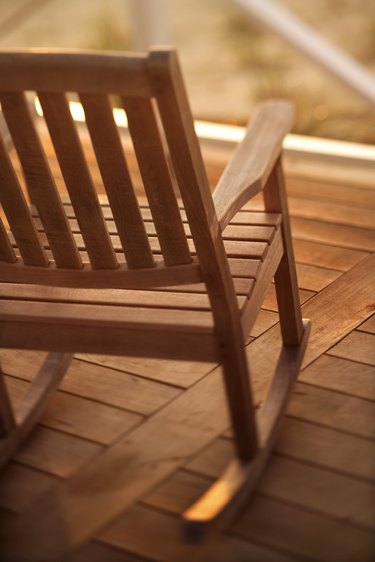
There's nothing quite like wood to give your home an indescribable ambiance. From the casement molding around your doors and windows to the shelves that store books to the coffee table that sits proudly in your living room, wood furniture and trim captures the richness and innovation of design elements that make your home different from any other. There are many ways to preserve and protect wood, but a clear coat of polyurethane will accomplish the task without hiding the natural elegance and intricacy of the wood itself. Purists will tell you that the process is rife with challenges and demands special techniques, but with the barest determination and a little time, you can easily achieve a durable and elegant result.
Step 1
Sand the wood to make it smooth. Begin with medium grain sandpaper and progress through fine until you've completely sanded your wood using the extra fine grit. Use a sanding block for long, flat stretches or an orbital sander to speed the process. Wear a sanding respirator or face mask to prevent breathing in the dust.
Video of the Day
Step 2
Clean the wood. When you're done sanding, vacuum away the collected sawdust or use an air compressor to blow it away.
Step 3
Prepare the wood. Using a clean, damp rag, rub the surface of the wood. This does two things: First, it helps remove even more of that offending sawdust, and second, the moisture in the rag opens the grain of the wood thus allowing it to accept a greater amount of polyurethane.
Step 4
Open the water-based polyurethane can and gently mix it with a paint stirrer. The sediments will have fallen to the bottom of the container, so lift and swirl rather than stir. Don't create any bubbles in the process since they have a tendency to become dry bumps once the polyurethane has dried on your wood.
Step 5
Paint it on. Load your brush by dipping it an inch or so into the can of polyurethane. Water-based polyurethane shares many properties with its chief ingredient so expect it to drip as you move your brush from the can to the wood. Paint in long, precise strokes. This will allow greater coverage while minimizing the appearance of bubbles. You'll be able to gauge your progress easily -- if the wood is shiny and wet, it's covered. A single, thin application is sufficient; don't try to paint on a quarter-inch-thick coat.
Step 6
Sand lightly. Water-based polyurethane generally dries relatively quickly. About two hours after the first coat, sand the piece lightly with extra fine sandpaper. You'll notice that the grain of the wood has risen again and that there are a few errant bubbles, so your mission is to knock the wood flat again. Just don't sand so much that you remove the polyurethane.
Step 7
Repeat the coat-dry-sand process several times until the wood achieves the finish you intend. After the last application, let the piece dry for 24 to 48 yours before you place it in service. That way, the surface will not only be dry but the chemicals in the polyurethane will have had enough time to cure.
Tip
Never shake a can of polyurethane; the finish will be bumpy. When using an air compressor to blow away sawdust, make sure the debris doesn't find its way into the open can, onto your paintbrush or back to the wood.
Warning
When using a power sander, be careful not to gouge the wood. Be sure to wear a sanding respirator to prevent inhalation of sawdust. Properly ventilate your work area as recommended in the instructions on the polyurethane.
Video of the Day