eHow launches Android app: Get the best of eHow on the go.

How To

How to Do a Zigzag Stitch on a Sewing Machine

Contributor
By eHow Contributing Writer
(4 Ratings)

Sewing machines have come a long way since they first became available to the homemaker in the 1840s. Computerized models come with numerous built-in designs and stitches. The zigzag stitch is still one of the most useful and versatile stitches and is available on even the most basic machines. Learn how to do a zigzag stitch on almost any sewing machine.

Difficulty: Easy
Instructions
  1. Step 1

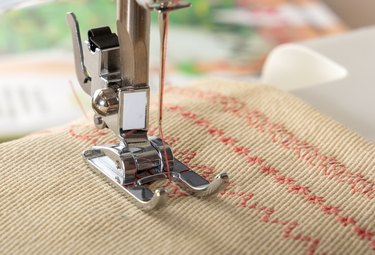
    Place the appropriate presser foot on the sewing machine. The zigzag stitch requires a presser foot that has a wide slot to allow the needle to go from side to side.

  2. Step 2

    Choose the length of the zigzag stitch needed for the proper coverage. If you are using it for appliqué, you need greater coverage than if you are mending or finishing the edge of a seam. The length is the distance between each penetration of the needle into the fabric. A short length (lower number) makes a dense zigzag and longer stitch (higher number) produces a zigzag spaced further apart. Most sewing machines have a pre-programmed zigzag setting you can adjust to suit your needs.

  3. Step 3

    Determine the width of the zigzag you want to use. The zero width setting gives you an almost straight stitch, and the higher setting makes a much wider zigzag. The determining factor when deciding on the size of your zigzag stitch is how much coverage you want. An appliqué requires a wider zigzag so the edges are fully enclosed, but a seam finish may not need such a wide setting. A buttonhole requires a narrow, short stitch to make it sturdy and to prevent it from fraying.

  4. Step 4

    Adjust your sewing machine tension if necessary for a balanced zigzag stitch. Adjust the tension the same way you would for a straight stitch. The upper thread and bobbin thread should meet so there are no loops on the top or the bottom of the seam, and there should be no puckering of the fabric. This is usually more of a problem when sewing lightweight or sheer fabrics.

  5. Step 5

    Practice adjusting your stitch width, length and tensions and sewing them on a scrap piece of fabric the same weight and thickness that your project is. This way, you can perfect your zigzag stitch before you use it on the real thing.

Tips & Warnings
  • The zigzag stitch works well for finishing edges, decorative work, mending and appliqué.
Subscribe

Post a Comment

Post a Comment

Related Ads

  • Have you done this? Click here to let us know.
I Did This
Get Free Hobbies, Games & Toys Newsletters

Copyright © 1999-2009 eHow, Inc. Use of this web site constitutes acceptance of the eHow Terms of Use and Privacy Policy.   en-US Portions of this page are modifications based on work created and shared by Google and used according to terms described in the Creative Commons 3.0 Attribution License.

eHow Home and Garden
eHow_eHow Home and Garden