Things You'll Need
Jalapeno plant
Knife
Paper towel
Envelope
Pen
Silica gel
Canning jar with lid
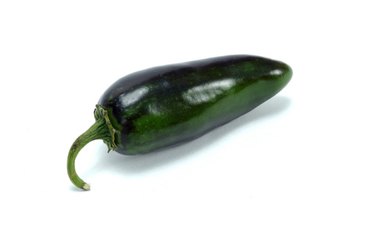
The jalapeno pepper is a staple of spicy southwestern food. Jalapeno pepper plants are easy to grow from seeds and they produce a lot of peppers continuously through the summer, on small-sized bushes. There are hundreds of varieties of jalapeno pepper from sweet and mild to mouth-burning hot. Home gardeners have saved seeds season after season passing down the best tasting and most unique jalapeno pepper varieties for generations. It is easy for anyone to continue the tradition by saving their seeds from season to season, sharing the varieties with others and keeping them alive for future gardeners.
Step 1
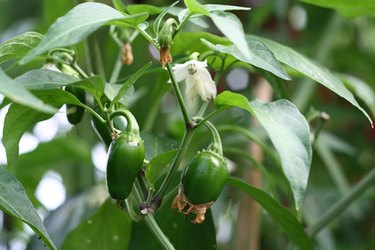
Select a jalapeno plant that you want to save the seeds from. Choose a plant that is healthy and growing vigorously with the best tasting peppers of all the plants you have. Avoid any plants that seem sickly or have signs of disease or pests.
Video of the Day
Step 2
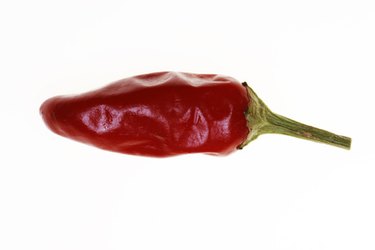
Cut the pepper from the plant when it has ripened fully. A fully ripened jalapeno will have turned from waxy green to red and be slightly shriveled and wrinkled.
Step 3
Slice the ripe jalapeno pepper lengthwise, splitting it into two pieces.
Step 4
Scrape out the seeds and lay them out in a single layer on a paper towel. Place the paper towel in a warm, dry place, away from bright light for two to three days so the seeds can dry.
Step 5
Label an envelope with the variety of jalapeno seed and the date.
Step 6
Put a silica gel packet in the jar. These are the little packets you find in new shoes or jacket pockets labeled "Do not eat." You can buy them at craft stores. Silica gel absorbs moisture in the air and will keep the seeds dry.
Step 7
Put the labeled envelope of seeds into the jar with the silica gel and seal it up. The seeds will keep for planting in the next season. Multiple types of seeds can be kept in different envelopes inside the same jar. Store the jar in the refrigerator or other cool, dark place between 32 and 41 degrees Fahrenheit.
Tip
Taste a few jalapeno peppers from candidate seed stock parent plants before you harvest seeds. This increases the odds that the seeds will produce equally good-tasting peppers.
The variety of jalapeno plants you use for seed stock should be heirloom types or what open-pollinated varieties. They should not be hybrids. Hybrid types that are often seen in chain garden centers do not predictably produce offspring with the same characteristics as the parents. Open-pollinated varieties can be obtained from local garden clubs, specialty garden catalogs or fellow gardeners.
Warning
Use a parent plant that is grown in a different area of the garden from other types of peppers, including sweet peppers, to avoid cross-pollination which produces unpredictable results.
Video of the Day