eHow launches Android app: Get the best of eHow on the go.

How To

How to Organize the Linen Closet

Contributor
By eHow Contributing Writer
(10 Ratings)

In the ideal linen closet, you can see everything at a glance and find
exactly what you need at a moment's notice. Putting your linen closet
in order is as easy as sort, fold and stack.

Difficulty: Moderately Easy
Instructions
  1. Step 1

    Pull everything out of the closet and sort into categories: pillows, blankets, towels, sheets, table linens, dinner napkins and table runners. Anything else should be stored elsewhere.

  2. Step 2

    Limit yourself to three sets of sheets per bed and three sets of bath towels, hand towels and washcloths per person. Either donate or make rags of old, worn or unused linens.

  3. Step 3

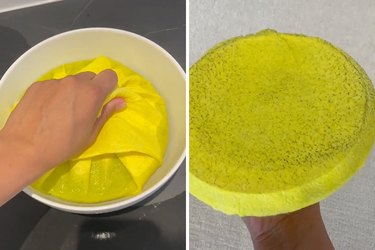
    Sponge clean the shelves, then adjust them up and down to accommodate items. Add extra shelves if necessary. Aim for a height of 10 inches for sheets and table linens, 12 to 16 inches for towels, and 18 inches or more from the top shelf to the ceiling for bulky items, such as blankets.

  4. Step 4

    Think small stacks, not leaning towers. Even if your shelves are at the standard 12 to 15 inches apart, take care not to cram them too tightly, or the whole stack will come tumbling down when you pull something out. You also want good airflow to keep linens smelling fresh.

  5. Step 5

    Line shelves with acid-free tissue paper (available at art stores and LightImpressionsDirect.com).

  6. Step 6

    Put bulky, lightweight, infrequently used items--such as pillows, comforters and quilts--on the highest or lowest shelf. Store them in their original zippered bedding bag to protect them from dust, allergens and humidity.

  7. Step 7

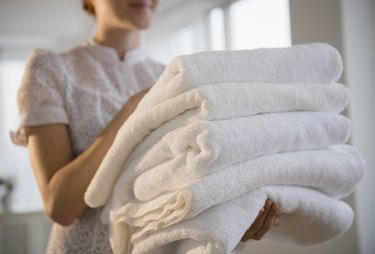
    Sort towels by size or type. Fold towels in thirds lengthwise, then fold in half (matching the ends to each other), then fold in half again; this way they'll stack perfectly and fit most shelves. Or fold towels in half and roll them up for a spa look. Since towels are used the most, keep them within easy reach. Stash beach towels on a separate shelf with other seasonal items, or behind your bath towels.

  8. Step 8

    Sort sheets into sets for each bed. Keep folded sets together by storing them inside the pillowcase. Place seasonal sheets, such as winter flannels or summer cottons, with other seasonal linens, or stack them behind your everyday sheets.

  9. Step 9

    Fold tablecloths lengthwise and hang them on a wooden hanger covered with acid-free paper. Hang this on a hook or rod inside the closet door.

  10. Step 10

    Put antique linens on the top shelf if they're not used often. Since they aren't easily cleaned, never put them on the floor of the closet, where they run the risk of water damage.

  11. Step 11

    Keep relative humidity at 50 percent and temperatures at 60 to 65 degrees F (16 to 18C). Avoid extreme fluctuations of humidity and temperature levels. Inspect textiles regularly for mildew and mold, which can stain fibers and cause deterioration.

Tips & Warnings
  • Also read 140 Store Your Wedding Dress and Other Textiles.
  • Take a photo of your organized linen closet and post it inside the door for future reference. Or, label the shelves so you can remember what goes where.
  • Place an open box of baking soda, activated charcoal or calcium carbonate in the closet to keep items smelling fresh.
  • Put the closet door to use: Add a hook to hang robes or shallow baskets for soaps. Mount a full-length mirror on the inside.
  • If your linen closet is small, store linens in the rooms where they're used: table linens in a dining-room sideboard, cloth napkins in a kitchen drawer, guest towels and sheets in the spare bedroom.
  • Cardboard boxes, paper bags and plastic bags can damage fabrics. So can cedar chests, which neither kill moths nor deter carpet beetles. Instead opt for paradichlorobenzene moth crystals to aid in controlling insects.
Subscribe

Post a Comment

Post a Comment

Related Ads

  • Have you done this? Click here to let us know.
I Did This
Get Free Home & Garden Newsletters
Copyright © 1999-2009 eHow, Inc. Use of this web site constitutes acceptance of the eHow Terms of Use and Privacy Policy.   en-US Portions of this page are modifications based on work created and shared by Google and used according to terms described in the Creative Commons 3.0 Attribution License.

eHow Home and Garden
eHow_eHow Home and Garden