eHow launches Android app: Get the best of eHow on the go.

How Does

Cleaning Ovens With Natural Products

Contributor
By Lisa Parris
eHow Contributing Writer
(0 Ratings)

    Oven Cleaner

  1. The Dreaded Dirty Oven
     
    The Dreaded Dirty Oven
    After decades of using harsh chemicals and working in noxious fumes in an effort to keep the oven clean, many people are making the switch to alternative, natural cleaners. Natural solvents can be just as powerful and effective as their chemical counterparts. They are inexpensive and easy to use. There are a variety of natural products which can safely provide inexpensive alternatives to high priced commercial oven cleaners.
  2. Baking Soda

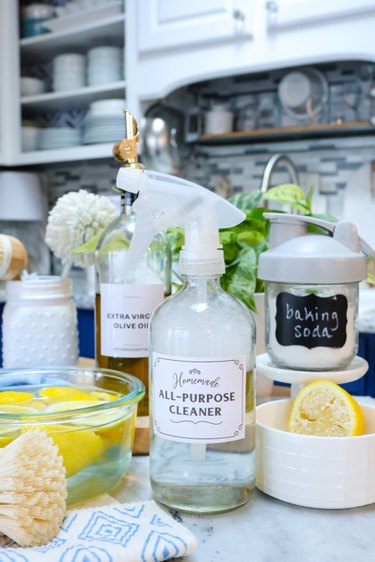
  3. Baking soda, or sodium bicarbonate, is popular ingredient in natural cleaning products. It is a weakly alkaline compound. As such, it is able to break down proteins and neutralize acids. It is well-known for its ability to clean, scour and deodorize. In an oven, baking soda can absorb liquids--such as grease or pie filling--without sticking to the oven's surface. If a spill has just occurred, while the oven is still warm, sprinkle a generous layer of baking soda over the spill. Once the oven has cooled, you should be able to scoop up the spill with a metal spatula.

    For a natural oven cleaner that's a bit tougher, you can mix equal amounts of baking soda, water and salt to form a thick paste. Spread the paste on the inside of the oven. Close the oven door and heat to 500 degrees for one hour. Leaving the door closed, turn the oven off and allow it to cool for 1 to 2 hours. Using a moist sponge, wipe away the debris. Rinse well with clean water.
  4. Vinegar

  5. Vinegar is another natural product which can be used to keep your oven clean. Vinegar is a mild acid which makes it an effective grease remover, as it is able to dissolve gunk and grime. It is non-toxic and won't leave a residue behind.

    If you cover a baked-on oven spill in vinegar, it will soften the residue while cutting the grease. Since it is a liquid, you can't actually smear it all over your oven. However, it does work well on the oven floor. Also, the vapors can loosen the sediment on the oven walls. Leaving a small container of vinegar inside the oven for a few hours can make the cleaning a lot easier. If you don't have time to wait, here's a natural product you can whip up: add one drop of dish detergent to one pint of hot water. Then mix in ¼ cup of vinegar. Apply to the inside of the oven. Scrub gently with a damp sponge.
  6. Ammonia

  7. A number of household cleaning products use ammonia as a base ingredient. Known for its pungent aroma, ammonia is a very effective oven cleaner. It is, by all definitions, a natural product, but it is one that must be handled with care. To clean your oven with ammonia, pour some in a shallow dish and close the oven door. Let it stand overnight, then wipe out with sheets of newspaper or paper towels. Wash with warm, soapy water. Rinse thoroughly.

    If you decided to use ammonia to clean your oven, use gloves as the compound can cause irritation to the eyes, nose, throat, and skin. If you find yourself coughing from the vapors, you are too close! Get to fresh air. And never, never mix ammonia and bleach. The combination of the two products releases toxic chlorine gas.
  8. Prevention

  9. The Oven Cleaned with Ammonia
     
    The Oven Cleaned with Ammonia
    The best way to clean your oven is to keep it from getting dirty in the first place. If you line the bottom with foil, spills can simply be tossed in the trash can.

    Even when using natural products, you must exercise some care when cleaning. If it is possible that someone has ingested a substance that may be toxic or potentially harmful, call the Poison Control Center at 1-800-222-1222.
Subscribe

Post a Comment

Post a Comment Post this comment to my Facebook Profile

Related Ads

Get Free Home & Garden Newsletters
Copyright © 1999-2009 eHow, Inc. Use of this web site constitutes acceptance of the eHow Terms of Use and Privacy Policy .   en-US Portions of this page are modifications based on work created and shared by Google and used according to terms described in the Creative Commons 3.0 Attribution License. † requires javascript

eHow Home and Garden
eHow_eHow Home and Garden