- Disinfectants have been used to destroy or deactivate microbes that can cause infections, effectively reducing the risk of disease. They have been used to treat water, making it potable (drinkable), and have also been used in hospitals to control the spread of infection by microorganisms. They have also been used in the food industry to keep food free from contaminants that can spread sickness, and to destroy microorganisms that can form in human tissues.
- Man has engaged in disinfecting practices since ancient times, but the science of using disinfectants to destroy microorganisms has only been around for 150 years. Heat was one of the first disinfectants, followed by the use of sulfur dioxide as a fumigant. In the medical field, as early as the 6th century, surgeons used special vapors to disinfect operating rooms. A few centuries later, ethanol was discovered, but was not used until the mid 1700s as disinfectant to dress wounds. In addition to ethanol, many other chemicals have been used, such as chlorine, vinegar water, hypochlorite, iodine, hydrogen peroxide and phenol. As the chemicals were being introduced, disinfection techniques and the reasons for disinfecting were becoming better understood.
- There has to be a balance between the efficacy of the disinfectant and the overall safety of the product. It is generally understood that, the better a compound is at disinfecting, the more its toxicity increases--and vice-versa. Disinfectants have a negative effect on the environment; this should be taken into consideration when formulating new disinfectants.
- Some microorganisms have started developing a resistance to disinfectants, making them ineffective. As new strains of microorganisms appear, new disinfectants are formulated to destroy them. This is similar to what is happening with antibiotics.
- The ideal disinfectant should not be toxic to animal or humans; it should be environmentally friendly, not accumulating within or degrading an environment. It should also be able to tackle all microorganisms, act fast and smell pleasant. It should be safe to use and safely interact with any other chemicals.
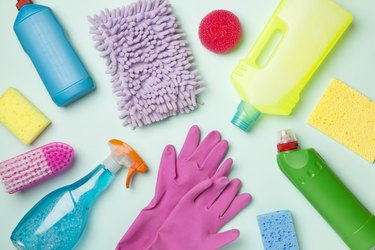
- Many different types of disinfectants are used, including alcohols, aldehydes, chlorine-and-oxygen compounds, phenolics and ammonia compounds. The most commonly used disinfectant in homes is chlorine bleach; it kills a wide variety of microbes, but it is not completely safe at higher and more potent concentrations. Another commonly used antimicrobial is triclosan, which has been used in soaps and (at low concentrations) toothpastes.