

How to Make a Greenhouse on a Screen Porch

Table of Contents
If you wish to install a greenhouse on your screen porch, there are several considerations. These include the type of sun exposure the porch receives, as well as the ability to install heating and air circulation. The type of material you use to seal the greenhouse will depend on if it's permanent.
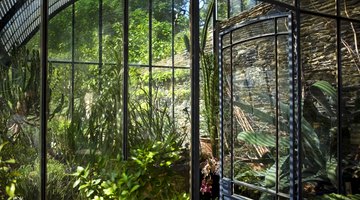
If you have a green thumb and a screen porch, you may have the perfect ingredients for a greenhouse. Building a place to grow tender plants and garden when it’s cold outside can be as easy as adding a greenhouse on to your screen porch. To decide if your screen porch or a part of it would make a workable greenhouse you need to consider sun exposure, supplementary heating, air circulation, humidity level and building materials.
Sun Exposure
How is your screen porch situated geographically? The best exposures are south or southeast. Such locations offer sun a good part of the day. Eastern exposures can also work if you're growing plants that need morning sun and afternoon shade. Northern exposures tend to receive very little direct light and if you are growing a variety of plants, you would need artificial lighting. Western exposure screen porches would get a hot late-afternoon sun which can be hard on delicate plants.
When considering your available sunlight, allow for any roof overhangs, nearby buildings, trees and other foliage that may reduce the amount of sunlight your screen porch receives.
Heating
You will need access to an electrical outlet for heating the greenhouse space. Even though the screen porch will be covered, it will still get cold in the winter months without supplementary heat. Most greenhouse plants need minimum temperatures of 55 degrees Fahrenheit at night and at least 65 degrees Fahrenheit during the day. There are a variety of heaters available specifically for use in greenhouses. These include portable free-standing heaters and overhead-or-wall-mounted units.
Air Circulation
Proper air circulation is vital to greenhouse-grown plant health. Stagnant air can lead to poor plant growth and even pests and diseases. Good airflow also strengthens plant stems. To ensure good air circulation, it may be necessary to run a fan on a continuous basis.
Humidity
The relative humidity in a greenhouse should be about 70-to-85-percent on average. Any higher humidity levels will result in weak plant growth and susceptibility to fungal disease. Use a hygrometer to measure humidity levels in the greenhouse. If you find it's too humid, decrease humidity by venting the greenhouse so it can escape, and drier air can enter. To humidify the greenhouse if you live in an arid climate, spray the floor with water and consider installing a humidifier.
Greenhouse Glazing Materials
Greenhouse exteriors are usually constructed with what is known as a glazing material. One popular choice is polycarbonate "twin wall," which is a rigid plastic that is almost as transparent as glass. It is easier to install than other glazing materials like glass. Inexpensive and easy to work with, this product does a good job of sealing a screened porch greenhouse.
Polycarbonate with layers, which is known as honeycomb, is also a popular choice for greenhouses. This product is thicker than twin wall and similar to corrugated cardboard. This thicker alternative is good for retaining heat in the greenhouse.
Other glazing options are glass or Plexiglas. They both look beautiful and are effective but they're best for a permanent greenhouse. Neither glass or Plexiglas are good choices for a temporary greenhouse.
References
Writer Bio
Julie Bawden-Davis is a widely published home and garden author, whose work has appeared in many publications, including Better Homes and Gardens, the Bed, Bath and Beyond Blog, the Los Angeles Times, DEX Knows and Parade.com, where she has a weekly column. Julie received her Bachelors in Journalism from California State University, Long Beach. She is also a University of California Certified Master Gardener and author of 10 books. Find out more about Julie by visiting JulieBawdenDavis.com.
More Articles

