What does fact checked mean?
At Healthfully, we strive to deliver objective content that is accurate and up-to-date. Our team periodically reviews articles in order to ensure content quality. The sources cited below consist of evidence from peer-reviewed journals, prominent medical organizations, academic associations, and government data.
The information contained on this site is for informational purposes only, and should not be used as a substitute for the advice of a professional health care provider. Please check with the appropriate physician regarding health questions and concerns. Although we strive to deliver accurate and up-to-date information, no guarantee to that effect is made.
Is Pineapple Good to Lower Cholesterol?
High cholesterol can lead to fatty build up and fatty deposits in the blood and arteries 2. It can lead to heart attack, stroke, diabetes and high blood pressure. Many things lower cholesterol levels, including eating pineapple 1.
Features
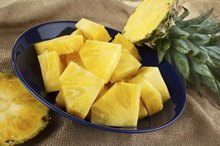
Pineapples are rich in vitamins, minerals and nutrients. The bromelain content in pineapples makes them excellent in assisting the digestion of proteins and preventing excess fat and protein from hovering in the blood.
Function
Benefits of Rutin
Learn More
The "Whole Foods Encyclopedia" reports that bromelain, found in pineapples, also reduces excessive coagulation of the blood resulting from clogged arteries and sluggish blood circulation often caused by high cholesterol 2.
Significance
Pineapples are rich in vitamin C, and benefits come from its antioxidant properties. They are beneficial in fighting off damaging free radicals that encourage plaque build up leading to atherosclerosis and diabetic heart disease.
Considerations
Can You Lose Weight Eating Peaches?
Learn More
Pineapples are the only edible source of multi-functional bromelain. In addition, it is low in fat and calories while supplying many vitamins. Pineapple has a sweet, juicy and exotic flavor and is one of the most healthy foods available 1.
Potential
Pineapples helps prevent blood clots, keep plaque from forming the arteries and provide anti-oxidant and anti-inflammatory benefits. They are enjoyed fresh, canned, juiced and in capsule form.
Related Articles
Benefits of Rutin
Learn More
Can You Lose Weight Eating Peaches?
Learn More

How to Make Grapefruit Juice Taste Better
Learn More
How Many Calories in Carrot Sticks?
Learn More
Can Tuna Salad Help You Lose Weight?
Learn More
Are Radishes Good for Gout?
Learn More
The Side Effects of Acai Berry Pills
Learn More
Foods High in Bromelain
Learn More

Is Eggplant Good for Gout?
Learn More

What Are the Benefits of a High-Protein Breakfast?
Learn More
References
Writer Bio
This article was written by the CareerTrend team, copy edited and fact checked through a multi-point auditing system, in efforts to ensure our readers only receive the best information. To submit your questions or ideas, or to simply learn more about CareerTrend, contact us [here](http://careertrend.com/about-us).