

How to Make Black Furniture Look Brown

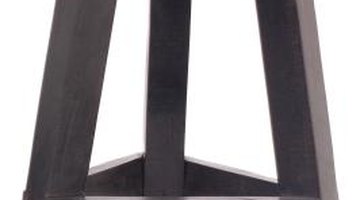
If your black furniture is too dark for your decor or you’re looking for an inexpensive redesign for a room, make black furniture look brown. Transform black furniture using glaze or stain, rather than slapping on a coat of paint that can make the furniture look inexpensive. Mixing red glaze with the existing black paint will make the furniture look brown. Conversely, you can distress the black furniture and add brown gel stain to alter the appearance.
Glaze the Furniture
Step 1
Place drop cloths on the ground to protect the surface. Set the furniture on the drop cloths.
Step 2
Clean the black furniture with a damp cloth to remove dust and dirt. Wipe the furniture with a dry cloth.
Step 3
Scuff the furniture with 180-grit sandpaper. Sand the furniture by hand or use a handheld sander if you're working on a large piece of furniture. This prepares the furniture to bond with the glaze and paint.
Step 4
Apply the red glaze with a paintbrush. Brush the glaze on heavily, and wipe the glaze away with a damp cloth. Start at the top corner of the piece and work in small areas. For example, on a chair, brush the glaze over the seat, and wipe the glaze with the damp cloth. Then work on the arms, then the legs, and so on.
Step 5
Paint on one to two coats of clear, water-based top coat to seal in the new brownish color.
Cover With Brown Stain
Step 1
Wipe down the black furniture with a damp cloth to clean off dust and grime. Wipe the furniture dry with a clean cloth.
Step 2
Place drop cloths on the floor. Set the furniture on the drop cloths.
Step 3
Sand the furniture with medium grit sandpaper. Go over the entire piece to scuff off the top coat of paint. The 180-grit sandpaper works well. Sand the furniture by hand or use a handheld sander.
Step 4
Prime the furniture with spray primer. Spray in even strokes to cover the entire piece completely. Let the primer dry four to six hours.
Step 5
Apply the brown gel stain with a paintbrush. Spread the stain evenly. Wipe away excess stain with paper towels. Work quickly because the stain dries fast.
References
Tips
- Sand the corners and crevices more if you want to create a more distressed look to the furniture. The stain and glaze will settle into those places to create the antique appearance.
Writer Bio
After attending the University of Missouri St. Louis, Stephanie Rempe worked as a documentation manager in the finance industry 10 years before turning to her first love, writing, which she's been doing professionally since 2008. She currently divides her time between Missouri and her fiance's hometown in Oregon. In addition to her freelance writing, Rempe is working on a romance novel and short stories.
Photo Credits
- Hemera Technologies/PhotoObjects.net/Getty Images
More Articles

