Treatments for Head Lice

Head lice are parasites that are highly contagious. Infestations are a common problem among elementary school children due primarily to the sharing of personal items and close head contact during play. Once infected, the child can then infect the rest of her family members. Identifying the lice and knowing how to treat the infestation is key to preventing the infestation from recurring.

  1. Identifying the Lice

    • Before you can treat the lice you must first know what you are looking for. The nits, or eggs, are often confused with dandruff and though smaller than a grain of rice, can still be seen by the naked eye. They are usually white, tan or brown in color and attached firmly to the hair shaft.

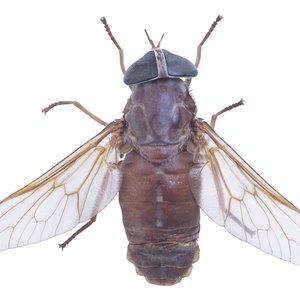
      Adult lice will grow to be no larger than a sesame seed and are grayish-white or tan in color. Lice are most commonly found either behind the ears or at the base of the neck along the neckline. They live solely on blood and feed several times a day, though they can live two days off the scalp.

    Head Lice Treatment

    • Head lice are typically treated with a medicated shampoo, the two most common brands being Nix and Rid. These can be purchased over-the-counter or you can receive a prescription from your doctor. It is imperative to follow the directions on the package to a T since the shampoo is an insecticide. Two bottles may be required to treat the infected person if she has longer hair.

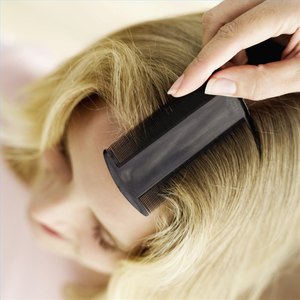
      After the shampoo has been used, you need to use the special nit comb included in the package to remove the dead lice and nits, along with any live lice remaining. Do not allow your child to wash her hair for at least one day after performing the treatment, and then treat again in seven to 10 days.

      The medicated shampoo cannot be used on children under the age of 2; in this case you need to remove the nits and lice by hand. Begin by wetting her hair and placing conditioner through it. You can then run a nit comb through it to make it easier. Repeat this every three days for two weeks or until you no longer see any live lice.

    Various Treatment Options

    • Some people have used mayonnaise, olive oil and petroleum jelly as a form of treatment; they believe this will suffocate the lice. These treatments have not been proven effective though and are not recommended for use.

    Treat Your Home

    • Treating your home is another aspect of curing the infestation. Begin with all bedding and clothing, washing them in hot water. The temperature should be 130 degrees to kill the lice and eggs, followed by a cycle in the dryer on high heat. If you have clothes you cannot wash, you need to have them dry cleaned.

      Wash all hair accessories such as brushes, combs and hair ties. This can be done in hot water or by soaking them in either medicated shampoo or Lysol for an hour.

      Vacuum all your carpets and furniture to ensure any eggs that may have fallen are swept away; it is a good idea to vacuum your car as well.

      Finally take any stuffed animals and pillows that cannot be washed and place them in a plastic bag, tightly tied, for one week. This will ensure that the lice have died since they have lost their food source.

Related Searches:

References

You May Also Like

  • What Are the Treatments for Human Head Lice?

    What Are the Treatments for Human Head Lice?. Head lice are tiny insects that infest the hair and scalp causing intense itching...

  • Rx Treatments for Head Lice

    Lice are pesky insects that live in human hair and feed on blood from the scalp. Lice infestations usually are spread from...

  • Is Ringworm Contagious After Treatment?

    You May Also Like. Is Ringworm Contagious? Ringworm is a type of infection that can live in the hair follicles, skin or...

  • Alternative Lice Treatment

    Lice can affect people from all socioeconomic backgrounds and can be very contagious. Many parents and caregivers are concerned about the use...

  • Alternative Treatments for Head Lice

    Head lice are a common problem, especially in school-age children who tend to share hats and hairbrushes. Families can also pass head...

  • Household Remedies for Head Lice

    Household Remedies for Head Lice. Head lice are parasitic insects that live in and on the hair and scalp, feeding on the...

  • Embedded Lice

    Head lice are parasitic insects that are contracted by contact with an infected individual. Lice are particularly hard to remove once they...

  • The Best Way to Kill Head Lice

    Head lice can infest your hair and scalp. Anyone is susceptible, young or old. And your home's cleanliness is irrelevant. You can...

  • Natural Head Lice Treatments

    Many of the chemicals used to treat head lice infestations are toxic and might be harmful to the skin and the body....

  • Facts About Hair Lice

    Head lice are small parasitic insects that live among human hairs. The insects feed on small amounts of blood drawn from the...

  • Herbal Treatments for Head Lice

    Pediculus humanus is a parasite infestation called head lice.Lice are small insects without wings that feed on human blood. Head lice lay...

  • How to Treat Head Lice With Vinegar

    Lice can be very difficult to rid from someone's head. There are hundreds of remedies for lice removal and treatment, but only...

  • How to Get Rid of Head Lice With Home Remedies

    Every parent dreads "the phone call" from the school requesting that Timmy be picked up immediately. He has head lice. Despite the...

  • How Long is a Staph Infection Contagious?

    "Staph" is short for "Staphylococcus" in the context of staph infections. Staphylococcus is a type of bacteria that causes infections, which are...

  • Head Lice Treatment in Children

    Head lice are wingless insects that like to live in hair. These parasitic insects feed on small quantities of blood and can...

  • When Is a Cold Sore No Longer Contagious?

    Cold sores, or fever blisters, are a common occurrence throughout the United States. According to AidsInfo.net, approximately 45 million people are infected...

Related Ads

Featured