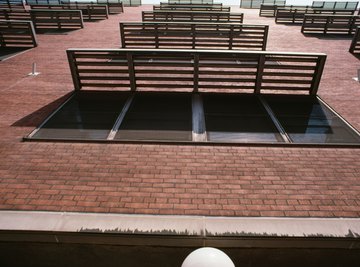

Adopting solar heating is one of the easiest ways to take advantage of the abundant, emissions-free energy supplied by the sun. Solar heating panels are most often part of a water heater, but they can also warm air as part of a home heating system. Solar heat offers a number of advantages, as well as a few disadvantages, compared to traditional heating methods.
Heating Costs
The chief advantage of solar heating is that the energy you receive from the sun is free. A solar hot water heater is rarely powerful enough to replace an electric or gas system, but adding solar heating panels to your hot water system may cut your costs for heating water in half. Likewise, solar thermal for home heat can also supplement your traditional furnace and reduce costs during the winter months, allowing you to save fuel for the coldest weather.
Carbon Emissions
A traditional electric water heater requires enough energy to produce 8,000 pounds of carbon dioxide emissions per year. An average U.S. home using a natural gas furnace is responsible for around 6,400 pounds of carbon dioxide emissions due to the energy required to heat it in the winter months. Solar heating panels can cut both of those figures by as much as half, and if paired with other energy efficiency methods they can help you reduce your home's carbon footprint.
Reliability Issues
The chief problem with solar heating is one of reliability. During the nighttime hours or inclement weather, the system will not receive enough solar energy to heat the water or air. Some systems use a dense liquid or solid material to store the sun's energy and radiate it slowly during nonpeak hours, but solar heating systems are essentially useless outside of daylight hours. For this reason, most homeowners who install solar heating panels do so as a supplement to a traditional system and not as a replacement.
Regional Effectiveness
The amount of energy, and therefore money, a solar heating system can save you depends on what area of the country you call home. Solar energy is most intense closest to the equator and in dry, warm areas of the country. The Mojave Desert, for instance, receives almost twice as much energy from the sun than the Pacific Northwest. As long as your solar panels receive some sunlight, they will be able to provide heat, but it may take considerably longer for your solar heating system to pay for itself through energy savings if you live in a region with poor solar coverage.
References
- Energy Star: Save Money and More with ENERGY STAR Qualified Solar Water Heaters
- Rural Renewable Energy Alliance: Solar Air Heat Basics
- National Public Radio: The Energy Costs of Cooling and Heating a Home
- Energy.gov: Active Solar Heating
- National Renewable Energy Laboratory: Photovoltaic Solar Resource of the United States

About the Author
Milton Kazmeyer has worked in the insurance, financial and manufacturing fields and also served as a federal contractor. He began his writing career in 2007 and now works full-time as a writer and transcriptionist. His primary fields of expertise include computers, astronomy, alternative energy sources and the environment.
Photo Credits
Photos.com/Photos.com/Getty Images