


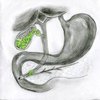

The gallbladder is an organ in the body that helps break down fat with the use of bile. Though many people do not ever have a problem with it, even if they develop gall stones, some people will develop painful symptoms. There are several cleansing diets that have been introduced by holistic nutritionists, but there is little scientific evidence that this type of food healing works. Along with a healthy weight, a healthy diet that is low in fat and cholesterol can help prevent and reduce gall stones in the gallbladder.
Fiber
Fiber refers to carbohydrates that come from plant-based foods and cannot be digested. It moves through the body quickly, helping to flush out the digestive system and keep the gallbladder from having to work too hard. According to the Mayo Clinic, women should have between 21 and 25 grams of fiber per day, and men should have between 30 and 38 grams. Foods that are high in fiber include fruits, vegetables, grains and legumes. There are different types and amounts of fiber in each different food. Some foods that are high in soluble fiber include oatmeal, lentils, blueberries and peas. Foods that are high in insoluble fiber are brown rice, whole grain cereals and celery.
Low-Fat Foods
Fat is a potentially large problem for gallbladders, and people who are obese or who eat a high-fat diet are more at risk for gall stones. There are several different types of fat, and the worst kinds are called trans fats and saturated fats. These fats increase the amount of LDL cholesterol in the body, which will eventually turn to crystalline gall stones in the gallbladder. Foods high in saturated and trans fat should be avoided as much as possible, and all fats should be kept at a minimum. Fats can be found in many foods, especially animal products like meats and dairy products. Choose lean cuts of meat, low-fat dairy products, and oily fish or avocados, which help lower LDL cholesterol.
Cleanses
Though these have not been proven to work by scientific research, there are holistic gallbladder cleansing remedies that are said to work to help pass gall stones. These usually include ingredients like olive oil, Epsom salt, and fruits or fruit juices. The recipes suggest drinking this over a 24-hour period. These ingredients act as a laxative and supposedly make it easier for gall stones to move through the digestive tract and out of the body. There is a possibility of side effects that include nausea and diarrhea from this type of cleanse. If you plan to participate in this process, you should talk to your doctor first.