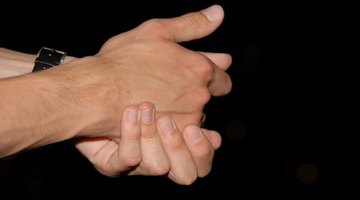
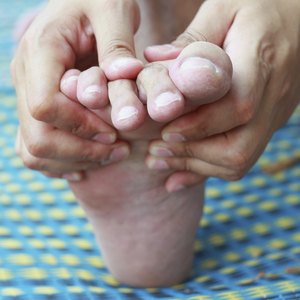
If you've got tingly fingers and toes, you may wonder whether they indicate something serious.
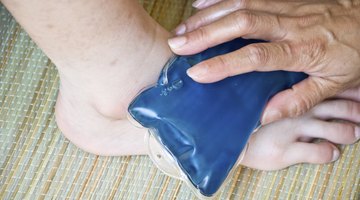
Torn tendons in your big toe can be the result of turf toe -- the result of excessively bending your big toe upward.
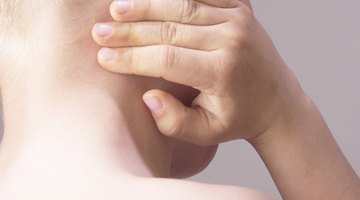
Sudden neck pain in your child is frightening.
A pinched nerve, also known as nerve compression, can occur for a variety of reasons.
The anterior cruciate ligament, or ACL for short, is one of the four major fibrous ligaments in the human knee.
Sand burr, an unwelcome intruder in lawns and beaches throughout the Southern United States, is an annual grass that reproduces by burrs, or stickers.
Whether cracked, peeling, painful, chapped or swollen, no one likes dealing with lips that are anything other than supple and smooth.
Your foot is a complex structure consisting of muscles, tendons and other tissues, as well as over 26 bones, including 19 toe bones or phalanges.
Numbness and shock-like electrical sensations in the fingers can cause discomfort and lead to difficulty picking things up or weakness in the fingers.
Back supports, or orthoses, are used by people rehabilitating from a back injury or surgery.
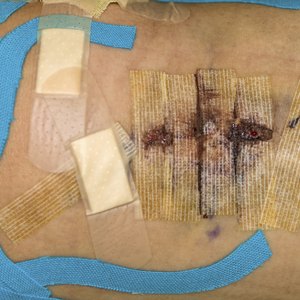
Tegaderm is a dressing material manufactured by 3M 13.
Waxing is a technique of removing unwanted hair from the upper lip, eyebrows, legs and the bikini line.
Steam burns are often superficial and relatively small.