

DIY Faux Wood Grain Painting Techniques for Furniture

The idea of painting faux wood grain on a surface dates back to ancient Egypt, when pharaohs employed highly skilled craftsmen to create artificial veneers that looked authentic. Today wood grain may be applied in several different ways; the method used will determine the type of wood that your faux finish resembles.
Dragging
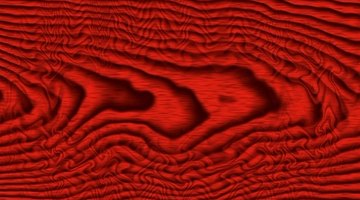
Dragging is a technique used to add wood grain texture to a surface after applying a base coat but prior to flogging wood. To drag a surface, apply a glaze with an inexpensive bristle brush in the direction that the wood grain will go. A cheap brush works better because the bristles will clump up and create an uneven drag that mimics wood grain texture. Extend your brush strokes down the length of your board. Then, drag a dry brush through the wet glaze down the length of your surface. Hold the brush almost parallel to the surface as you drag the board. Clean the glaze from the brush after each stroke.
Flogging
Flogging is done immediately after dragging while the glaze is still wet. To flog the wood, make a light patting motion over the surface of the grain with a flat brush. Hold the brush parallel to the surface as you flog it. Hold the brush handle so that it points away from the direction of the wood grain. Move the brush in the direction of the wood grain as you flog it.
Graining
Graining is a process of creating wood grain lines similar to dragging the surface of the wood. To grain the surface of wood, you use a metal comb instead of a paintbrush. The metal comb allows you to create wavy lines, a "W" pattern or curves in the grain. When you determine the method through which you will create your pattern, drag the comb through the glaze along the pattern several times.
Mottling
Mottling is an overgraining procedure that is performed after the glaze has been applied. To mottle wood, first apply the glaze. Then add light and darker areas to the wood by wiping the paint away in areas with a mottling brush held so that the sides of the bristles remove the glaze. Once you have finished this, pull the brush along the length of the grain using a snaking, bouncing motion. Vary the size of your "S" shapes so that the mottling is not uniform. Soften the mottling with a softener brush when you have finished.
References
Resources
Writer Bio
Tracy Morris has been a freelance writer since 2000. She has published novels and numerous online articles. Her work has appeared in national magazines and newspapers including "Ferrets," "CatFancy," "Lexington Herald Leader" and "The Tulsa World." She holds a Bachelor of Arts in journalism from the University of Arkansas.
Photo Credits
- red wood grain image by Jesse-lee Lang from Fotolia.com
More Articles

