




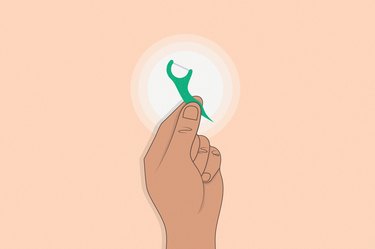



Summary: Flossing is important in helping to minimize the chances of getting cavities and gum disease. Pull floss against the surface of the teeth, as opposed to just dropping the floss between the teeth, with information from a dentist in this free video on dental health and tooth care.
Dr. Mike Glasmeier is a 2004 graduate of the University of Kentucky. Glasmeier also completed his undergraduate work at UK, receiving a B.S. in biology. He received additional...read more
"With the exception of brushing, flossing remains to be and always will be one of the most important things once can do to help maintain their oral hygiene to prevent decay as well as gum disease or other things such as gingivitis and as well as bad breath. It's really important to understand that flossing needs to become an everyday routine. A lot of people have the mistake of flossing every once in a while or when food collects between the teeth. But it's important to get flossing into a daily routine along with brushing to help minimize the chances of getting cavities as well as future gum disease. And not only is it important to do it, but it's understand how the technique is done. A lot of people have the misconception that floss is just more or less dropping the string dropping between the teeth. And it's a little more complicated than that and make sure that there's enough time spent dedicated to flossing to ensure that again that you don't have any food or debris collect between the teeth as it does cause a lot of problems with tooth decay as well as gum disease. So what we'll do when you go to floss, all you have to do is grab yourself enough that will wrap around your fingers roughly six inches and what you'll do is you'll just wrap around each finger so that you've got some stability on that and all you're going to do is you're just going to very lightly stabilize the floss and then drop it down into the teeth. And most of the time as you're flossing through the teeth, you're going to feel a little snap right there. The snap represents where the teeth are actually touching each other. And the snap actually represents where you would normally keep food from packing. Now most people will go and when they floss, they'll just drop it in and out, in and out through the teeth and while they're getting the food out from between the teeth, they're not really doing anything for the gums. What's more important is not only when you drop down through the teeth, you actually pull the floss against the surfaces of the teeth. And what we're doing now is rather than just going up and down between the teeth, we're actually pulling out floss against the surfaces of the teeth so what it is recommended is you drop your floss down through where you get your little snap and then you take your floss and you actually pull it against the side of the tooth and pull up back through the snap. By doing you're going to be more efficient at one, getting rid of the food between the teeth, but also stimulating the gums and by stimulating the gums, you'll increase the blood flow which will actually eventually minimize the opportunities for bleeding to occur, for tooth decay to occur as well as gum disease."
eHow Article: How to Floss Your Teeth