Overview
The world of fame and fortune is a fickle and confusing land of oddity, where nudity rules, dramatic psychotic outcries are celebrated and romantic break-up's followed on night watch. Overall, the world of celebrity is a horrific place to be. These days the media feeds and breeds off celebrity social media updates, particularly those who are really famous, but you're never quite sure why. Here are thirteen of them.
- The world of fame and fortune is a fickle and confusing land of oddity, where nudity rules, dramatic psychotic outcries are celebrated and romantic break-up's followed on night watch.
- These days the media feeds and breeds off celebrity social media updates, particularly those who are really famous, but you're never quite sure why.
Paris Hilton

A socialite that's often in the news for the wrong reason, this 32-year-old lady was once principally known because of her family's fortune. Then her party life surfaced into worldwide media. Then she released a sex tape. What followed was a gig starring in a television show where cameras filmed her and a friend acting like themselves whilst trying to live a "simple life." These days the young Hilton is an entrepreneur, model, actress, fashion designer, singer and lots of other things, but generally, she's just famous for being famous.
Kim Kardashian

Apparently you are a nobody until you release a sex tape. That's precisely what Kim Kardashian is famous for. Oftentimes, to fill in the gaps, she'll state that she's an actress or a singer, but for the most part, she's known for her relationships and what she's wearing. There is of course, the massively lucrative Kardashian reality television brand, which involves all of her sisters and her mother, but these days she's mainly followed for being on very famous rapper's arm and for posing for various perfume brands.
- Apparently you are a nobody until you release a sex tape.
- There is of course, the massively lucrative Kardashian reality television brand, which involves all of her sisters and her mother, but these days she's mainly followed for being on very famous rapper's arm and for posing for various perfume brands.
Tara Palmer-Tomkinson

British socialite Tara Palmer-Tomkinson is unfortunately most famous for cocaine abuse than anything else. Fourty-one year-old posh girl celebrated one year of sobriety this year. Perhaps it's not the worst way to remaining relevant.
Pippa Middleton
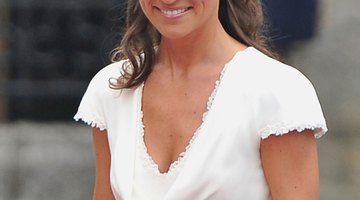
Mostly famous for being the sister of Kate Middleton (aka the Duchess of Cambridge) and for being posh, Pippa Middleton is possibly even more famous because of her rear end. Indeed, following her appearance at the Royal wedding in 2011, many fitness businesses in the UK have now used her as a role model for keeping in shape.
Alexa Chung

It's remains unspecified as to exactly when Alexa Chung became massively famous. She sort of just started appearing in magazines. The British "It" girl shows up regularly in worldwide media and it's mostly because of what she's wearing. The 30-year-old model/writer's fashion sense has earned her more a million followers on Twitter as well as numerous style awards.
Related: Alexa Chung's style file
Heather Mills

Heather Mills was firstly famous for being married to a superstar man and secondly, for not being married to him anymore. It's difficult to forget one of the most publicised divorces in history. When she split from former Beatle Sir Paul McCartney, she very famously gained over £24 million. These days she remains in the press because of what she has spent the money on.
Liz Hurley

These days she's better known for being the face of fashion brands and beauty products. However, Liz Hurley's rise to fame began in the 90s after she wore a revealing black dress whilst attending a film premiere with then-boyfriend Hugh Grant. Later, she acted a bit, but retained her fame crown for her high profile relationships and modelling jobs.
- Heather Mills was firstly famous for being married to a superstar man and secondly, for not being married to him anymore.
- Later, she acted a bit, but retained her fame crown for her high profile relationships and modelling jobs.
Coleen Rooney

Aside from Victoria Beckham, Coleen Rooney is considered to be the "queen of the WAGs" in the UK. First girlfriend and now wife of English footballer Wayne Rooney, Coleen is famous for wearing pretty clothes, talking about herself and what it's like to be famous. That's about it.
Lourdes Leon

Increasingly becoming mistaken for her mother, Lourdes Leon was famous from before she was born. Madonna's daughter has not yet been fully released into the world of celebrity, but her soaring fame status at the age of seventeen already rivals her young peers.
- Aside from Victoria Beckham, Coleen Rooney is considered to be the "queen of the WAGs" in the UK.
- Madonna's daughter has not yet been fully released into the world of celebrity, but her soaring fame status at the age of seventeen already rivals her young peers.
Kevin Federline

Being married to a high-profile celebrity will always get you into the news. Kevin Federline is no exception. Married to Britney Spears for two years, now he's largely famous for being a father to soon-to-be six children through multiple relationships.
Kelly & Jack Osbourne

The children of Black Sabbath star Ozzy Osbourne and his wife Sharon had no alternative but to be super famous. They rose even higher on the fame scale though, when the family decided to film a reality television series "The Osbournes" from 2003-2005. These days, Kelly does a bit of singing and Jack does a bit of presenting, but their parent's legacy and high-profile status is largely what keeps them in the news.
Peaches Geldof

The daughter of Irish singer/songwriter Bob Geldof is bound to be a victim of the paparazzi's flash, but Peaches has managed to sustain a high profile due to her famous friends, boyfriends and partying. The 24-year-old is now building a career in writing, but is mainly snapped up at fashion events.
- The children of Black Sabbath star Ozzy Osbourne and his wife Sharon had no alternative but to be super famous.
- The daughter of Irish singer/songwriter Bob Geldof is bound to be a victim of the paparazzi's flash, but Peaches has managed to sustain a high profile due to her famous friends, boyfriends and partying.
Katie Price (aka, Jordan)

It's odd to think that someone could rise to fame because of their breasts, but Katie Price managed to do it. Otherwise known as "Jordan," Price has been a reigning page three idol for more than ten years. Her relationships have also kept her well lit beneath the spotlight, such as that of her stance with pop singer Peter Andre.