

The Best Materials for a Projector Screen

There are several qualities any good projection screen surface needs. First of all, whatever material you use needs to be stretched tightly; creases and wrinkles will drastically reduce the quality of the image and constantly distract the viewer.

The next important factor to consider is reflective quality; avoid dark-hued materials as they distort the color of projected images. The average home theater screen should have approximately a 15 percent level of reflection to create a good balance between contrast and brightness.
Budget DIY Screens
Budget screens can be made from inexpensive blackout cloth; this cloth is normally used for bedroom curtains, and you can find it at nearly any fabric store. Stretch your white blackout cloth tightly around a wood or metal frame. This requires either considerable psychical strength or a keen understanding of the tools used in the making of painting canvases, since the processes are similar.
A typical store-bought canvas can work well, but comes with a treated gesso finish, which may not have acceptable reflective properties for your application. Artists cavases come maximum sizes best suited to home theater or small boardroom presentations, anything larger you will need to custom build. The larger sizes of store-bought art canvases are roughly that of the largest flat screen TVs. Large pre-made canvases can be rather expensive; when related to their direct completion (purpose-built projection screens), however, you'll still save a fair amount of money. The actual amount you save will vary depending on your location and the prices at your nearest art supply shop.
Experimenting with even coats of various white and gray shades will allow you to find a perfect contrast level for your location. Even considering the cost of paints and materials, you'll save a good deal of money over professional projection screen models, which can cost hundreds of dollars. The best paints for the job are acrylics due to their ease of use, and the fact that they're nontoxic. Look for pearlescent gray for low-light locations and matte white for normal room conditions. Check the packaging and paint catalog to check for reflectivity ratings, or ask your local hardware store paint department clerk for details.
Matte White Coating
Matte white screens--store bought or otherwise--are best suited to low-light conditions due to their low reflection levels, which are usually around 5 percent. A good choice for a dimly lit room, matte white will provide the most realistic blacks and darker colors. When used in too bright a setting, however, colors will appear dim and difficult to see. Matte white paint, preferably acrylic, can be purchased in most home improvement and building supply stores.
Pearlecent Coating
With a reflection index of about 15 percent, pearlescent screens are the standard for movie theaters. You can achieve a pearlescent finish by adding a higher reflection index coating to the standard matte white screen base. Pearlescent screens are ideal for low output projectors, such as lower-end models, as well as well as locations with higher ambient light levels. In terms of contrast and color, pearlescent screens are considered the best choice for realistic contrast. Pearlescent paint is available at higher-end paint supply stores, and may require a custom order. As mentioned earlier, acrylic paint is the preferred type.
Base Materials
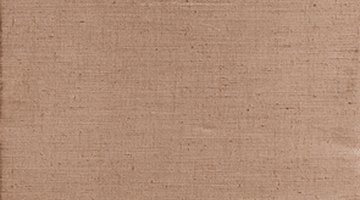
For the most part the underlying base material is less important than the paint coating in terms of image quality. It should be noted, however, that canvas cloth screens are distracting for close up viewing, because the weave of the material becomes more noticeable. Vinyl is the industry standard for store-bought purpose built screens, since they work just as well for close viewing. Both canvas and vinyl are easily damaged by frequent UV exposure, so store them out of direct sunlight unless they have been specificity treated with UV protective coatings. Vinyl has an edge for out outdoor use, due to its waterproof inorganic nature, whereas even treated canvas will eventually rot, discoloring in the early stages of decomposition. Vinyl, however, is a tough material to work with for a DIY enthusiast.
References
Resources
Writer Bio
Daniel R. Mueller is a Canadian who has been writing professionally since 2003. Mueller's writing draws on his extensive experience in the private security field. He also has a professional background in the information-technology industry as a support technician. Much of Mueller's writing has focused on the subjects of business and economics.
Photo Credits
- videoprojecteur image by mattmatt73 from Fotolia.com
- videoprojecteur image by mattmatt73 from Fotolia.com
- art canvas image by amlet from Fotolia.com
More Articles

