You can make your own jalapeno pepper using a few key ingredients. Learn about jalapeno pepper recipes with help from a published cook book author in this free video clip.
Pungent, spicy jalapeno peppers have growing needs identical to those of other pepper plants, and they are vulnerable to the same insect pests. Infestations are more likely to be severe in warm, moist climates than in cool, dry ones. Monitor plants closely and take action before infestations get out of hand.
Sweet peppers and hot chili peppers such as jalapenos are in the same genus, Capsicum. This means that they can cross-pollinate. That's not a problem if you're growing them just for their fruits (botanically speaking, a fruit is the seed-bearing part of a plant, so peppers are fruits). But if you want to save your own seed to plant next year, there are spacing considerations.
Growing your own jalapeno plants in the garden will give you access to the green, spicy pepper that you can use in a variety of dishes from salsa to chili. Jalapeno plants are not difficult to grow from seed or from a starter plant, but you will have more success by following a number of guidelines. Jalapenos grow well in most North American climates and can also grow indoors.
Like any other garden plant, jalapeno pepper plants require proper cultivation to stay healthy and yield a bountiful crop. The jalapeno is a sun-loving, warm-season vegetable that grows up to 3 feet high, so give it ample growing room. Jalapeno peppers, like other nightshade vegetables, need a sufficient amount of water to keep the soil evenly moist, but not waterlogged. Jalapeno pepper plants that develop dark spots on the fruits and leaves indicate that a cultivation problem is present.
Jalapeno peppers are ready to harvest 70 days after you plant them. Start the jalapeno peppers indoors and transplant them into the garden once the soil warms because they don't tolerate frost. Transplant seedlings into fertile, well-draining soil and care for them properly so they stay healthy and eventually produce viable fruits. Transplant the jalapenos outdoors once they are six to eight weeks old and 5 inches tall.
Jalapeno peppers are warm-season plants that are relatively simple to grow outside. Do not grow these plants until outdoor daytime temperatures reach 70 degrees Fahrenheit to 85 degrees Fahrenheit. Growing jalapeno peppers typically requires about 70 days to 85 days before they are ready to be harvested. When jalapenos turn a green-black hue, they are ripe and ready to pick. Harvesting requires that you simply cut the plant stems rather than pull them because these stems are relatively fragile. In addition, pull the plants before your region’s first frost to avoid damaging the plants.
Jalapenos are small green peppers best known for their hotness and are used in a variety of savory dishes. Once only sold in Mexican specialty food stores or at farmers’ markets, they are now widely available in major supermarkets throughout the country in fresh, canned and powdered forms.
Peppers grow in a wide array of varieties and cultivars, from large, sweet bell peppers to small, fiery hot peppers. Jalapenos make up a large part of the hot pepper family with a number of cultivars, tastes and sizes. These hot, spicy peppers require rich nutrition and plentiful water, though, and thrive in water-heavy situations, including aeroponic gardens. Plant jalapeno pepper seeds at any time of the year in an indoor aeroponic garden to reap spicy year-round harvests.
Hydroponics allows gardeners to have fresh produce all year, since the growing is done indoors. Essentially, the plants grow in a nutrient-rich water instead of traditional soil. Since plants have an easier time getting the water and nutrition they need, they may grow faster and produce more than plants grown outside. Since jalapeno plants do not need trellises or other supporting structures, they are good for a hydroponic garden, where space may be limited.
With their crunchy flesh that is full of heat, gardeners who like a bit of spice in their life make room in their garden for jalapeno peppers. Because their fruits are smaller, jalapenos don't take as long to develop. This makes them a good choice for Northern gardeners whose growing season isn't long enough to grow large bell peppers.
Jalapeno peppers leave behind a burning sensation when consumed due to the capsaicin in the seeds and membranes. Deseeding peppers helps remove some of the heat. Removing the seeds from the peppers also allows you to create stuffed jalapenos. The seeds must be removed carefully because they can cause irritation to the skin. Once you remove the seeds, discard them or save the seeds to add heat to salsa or other dishes.
Whether you have a productive garden or scored a great deal at the grocery store, pickling can be a convenient way to preserve a bounty of peppers before they go bad. While the canning process can be intimidating if you've never done it before, refrigerator pickled peppers are a versatile and safe way to turn extra produce into a delicious snack or sandwich topping. You can adjust a pickled pepper recipe to reflect your spice preference by using spicy or mild peppers and by adding red pepper seeds or other spices to your pickling brine.
For those who love spice, bell peppers just won't do. Kick your meals up a notch with jalapeno peppers, which add both heat and flavor to your favorite dishes. Jalapenos are definitely quite hot in terms of spice, but when used sparingly, they don't typically overwhelm a dish. Jalapeno peppers well with many different ingredients and is a welcome addition to a number of meals, appetizers and snacks ranging from jalapeno poppers to jalapeno cornbread.
At the end of the summer, gardens, farmer's markets and grocery stores are overrun with peppers. From spicy to sweet, the culinary possibilities are practically endless. But when you're faced with a big batch of peppers, your best bet is to preserve them. There are only so many ways to enjoy them before they spoil, so put in a little extra effort now to enjoy them throughout the winter and spring. Long, thin, green peppers are likely to be hot, so use them to add a spicy kick to your meal long after their season has passed.
Jalapeno peppers are frequently associated with fiery hot dishes, a well-deserved reputation as the little green chiles pack an intense hot flavor that lingers on the palate for several minutes after consumption. However, in the world of hot peppers, jalapenos fall in the middle of the scale when it comes to hotness.
Spicy and flavorful, minced jalapenos add a bold and distinctive twist to a wide variety of spreads, soups, casseroles and other dishes. The seeds deliver most of a jalapeno pepper's heat. By removing the seeds, you can cut down on the spiciness while retaining the flavor.
Preserving jalapeno peppers through a pickling process helps keep them fresh for long periods of time, which allows you to enjoy them throughout the year. In fact, they can last up to two years if stored in a cool, dark place. When pickling jalapenos, it is best to pickle them with several slits cut in them so that they are not too hot to eat. You'll want to create a pickling brine to best preserve the pickles.
Considered a moderately spicy pepper adapting to many recipes and palates, the jalapeno may be diced finely and blended to season a main course or seeded and stuffed with sausage and cheese for a zingy appetizer. However, actual spiciness of the jalapeno may vary from pepper to pepper. Some factors influencing the pepper's heat include the climate in which the jalapeno plant was cultivated, the age of the jalapeno pepper, the part of the pepper consumed and the variety of jalapeno.
Convenience foods, like frozen stuffed peppers, make an impromptu dinner possible and allow you to feed those surprise guests. Keep your favorite dishes ready-to-go whenever you like by using vacuum seal systems like the FoodSaver. These home machines make airtight food storage possible for everyone. When you make a few too many stuffed peppers, don't toss them away or stuff them in the refrigerator where they can rot. It only takes a few minutes to place those extras in a sealed bag and freeze them safely for later.
Peppers have a natural, zesty flavor when raw, but once fried these vegetables become milder and softer. Chopping and frying peppers in advance cuts down on the prep time for certain dishes. Store your fried vegetables for up to three months by freezing them. Peppers, like bell peppers, contain vitamins C, A and B6.
Although most individuals perceive jalapenos to be a vegetable, they are actually a fruit. The jalapenos are classified as hot and give many food dishes a taste kick. Consider adding some chopped pickled jalapenos to your next batch of nachos. Pickling jalapenos not only adds flavor to the fruit, it also allows you to keep the jalapenos in the refrigerator for up to one month.
Stuffed cherry peppers are a delicious treat and a good appetizer choice for many dinner parties. The problem can be in figuring out what to do with any leftovers. You may also want to make a large batch of the peppers for easy access at a later date. You can preserve your stuffed cherry peppers for two to three months by freezing them. After that, the stuffing tends to go bad. If you want to preserve peppers for a longer period of time, you need to pickle and store plain cherry peppers and stuff them when you're ready to use…
The spicy hot flavor of jalapeno peppers complements a variety of dishes. The peppers are often used to add heat to Mexican and Tex-Mex cuisine, such as salsa and dips, salads and cooked dishes. Unlike other hot chilies, jalapenos are used in the green-ripe stage instead of the more mature red stage. Purchasing fresh jalapenos at their peak of flavor ensures they are firm and spicy. The fresh jalapenos store well when properly prepared and kept cool enough to slow further ripening.
Used throughout the world to add heat and flavor to food, chili peppers bring both pleasure and pain. Though a number of hot peppers are cultivated and utilized in North America, none are more ubiquitous than the jalapeno pepper. Jalapenos are not the hottest peppers, but they are rich enough with capsaicin, the heat bearing oil within peppers, that they provide a punch that is uncomfortably hot for many people. Even so, certain measures may be taken when eating or handling jalapenos to help reduce or prevent burning and make the experience a pleasurable one.
Blanching apples halts the enzyme action that causes flavor and nutrient loss, and is necessary prior to freezing or canning. Blanched apples also cook quicker and more uniformly, and have less water in them than fresh apples -- making them ideal for baking. If blanching apples to preserve them, choose a sweet variety, such as Jonagold, Gala or Fuji. Although ideal for pies and out-of-hand-eating, tart apples, such as Granny Smith, do not preserve well because of their low sugar content.
Freezing peppers and celery requires following certain guidelines to prevent the formation of excess ice crystals, which are the major cause of sogginess when defrosting food. Blanching peppers and celery prior to freezing retains their color and nutrient content by inhibiting the enzyme action that causes them to degrade. Similar to the individually quick frozen (IQF) technique used by commercial food processors, air-drying and freezing the pieces of peppers and celery separately limits the production of ice crystals and contributes to overall quality.
Blanching jalapeno peppers is necessary prior to freezing, canning or preserving. It is also economical, as freezing jalapenos allows you to purchase the peppers in-season when prices are at their lowest and use them during the winter months, when the quality of peppers dips and the price of imported vegetables and fruits increases. Blanching jalapenos prior to cooking removes a large portion of capsicum -- the chemical that makes food spicy-hot -- and softens their harshness, unmasking the true flavor of the pepper.
Look at any cookbook and you'll find tons of recipes that involve onions, whether sauteed in a pan, chopped up in a soup or grilled and served on top of hamburgers and hot dogs. Not only are onions a staple vegetable that adds flavor to every dish, they are good for you, too, with high amounts of vitamin C and fiber. Save time in the kitchen by dicing several onions at once and storing them in the freezer. That way, when you need some for a recipe, you can just grab the amount of diced onions you need.
The small green peppers known as jalapeños are widely available and often used in Mexican cuisine. Jalapeños may be too spicy when they are fresh but when they are pickled, their flavor is a bit milder. Pickle jalapeños in the same way that you would pickle other vegetables like cucumbers. Experiment with your mixture and add other vegetables or spices to the pickling brine after getting the basic technique down.
Pimientos are the sweet red peppers used in pimiento cheese spread and the red stuffing in green olives. They are also used in casseroles and potato salad for extra flavor and color contrast. Pimientos are found preserved in jars in grocery stores or they can be grown in a home garden. Freezing fresh pimientos preserves them for year-round use.
Jalapenos are a type of chili pepper. These peppers are the strongly flavored fruit of plants from the genus Capsicum, especially C. annuum longum. A mildly spicy flavor distinguishes jalapenos from other chili peppers, which differ in the level of heat that they contain. Mexico, New Mexico, and parts of Texas are strongholds for jalapeno cultivation.
If you have a love of Tabasco peppers, pickling and canning your own peppers may be an option. Doing your own pickling is a cost-effective way to store and preserve peppers. There are several methods of pickling peppers, but the method listed below will work with any type of hot pepper. With just a handful of ingredients and a few minutes of your time, you will have peppers on hand to use whenever they are needed.
Jalapeno powder is a spice you can add to almost any recipe to add some heat and flavor. The powder is available on gourmet spice racks, but you can easily make it at home with jalapenos from your garden or the grocery store. Dehydrating the peppers removes the moisture and allows you to make the dry powder, which will last up to 12 months if you keep it in a cool, dry place.
Anyone who has ever prepared food with fresh jalapeno peppers knows how painful the juice can potentially be. Jalapeno pepper juice will not only irritate your hands, but can also be spread inadvertently to your eyes, lips or nose causing great pain. Leaving the oil on your skin for a prolonged period of time can cause irritations later. It is best to remove jalapeno oil immediately after you are finished preparing your food.
The jalapeno pepper is a versatile chili that is used in many different cooking applications. It is popular among fans of hot and spicy dishes because it has a deep, tangy flavor that is not too hot but not too mild. Chili pepper heat is measured in terms of Scoville units, where 300,000 units represents the hottest of all chili peppers: the habanero. The jalapeno measures 5,000 units on the Scoville scale, making hot sauces that feature this chili a suitable option for those who like a little heat without that painful sting.
With a rich food heritage, the states of Mississippi, Louisiana, Georgia and Alabama are part of a region that specializes in traditional soul food and producing some bizarre products, such as pickled pig feet and crawdad eyeballs. Pickled pig products are often mysterious additions to markets, as many people do not understand the pickling process and are not accustomed to the strong taste.
Jalapenos are small, chili peppers that are often used in Mexican cuisine. The peppers are green when ready for harvest and turn red the longer they are left on the vine. While both red and green jalapenos are hot and flavorful, red jalapenos tend to be slightly sweeter. Recipes that include jalapenos often call for the peppers to be minced, which indicates that the cook should cut the peppers into very small, even-sized pieces.
You will find that canning (pressure and water bath method) changes the texture of food once it has been processed. This can be disappointing when you are creating pickled foods, particularly if you like a good crunch. Jalapenos and other peppers turn to complete mush when they are processed, which is rather unappetizing. You can pickle peppers in the refrigerator, safely, by using a few tried and true techniques. The peppers will retain their heat and their crunch and will make a delightful addition to everyday meals.
Fans of jalapeno peppers will enjoy eating them fried. Frying jalapenos adds a flavorful crunch to the outside of the pepper. The pepper itself becomes soft during the frying process. Fry the peppers whole instead of cutting them into pieces. Frying small pieces of the peppers cause result in the person taking more of the fried flour than jalapeno. Dip the peppers into cream cheese or blue cheese to help curb the spiciness of the peppers.
Brining or pickling began as a preservation method. Before refrigeration, the shelf life of food was limited, so many people dried or pickled foods to make them last longer. Today you can customize pickled foods to fit your taste, creating sweet, tangy or spicy flavors. The many variety of peppers available offer an alternative to more common condiments. You can buy pickled peppers or can them at home.
Jalapenos belong to the spicy chile pepper group. Unlike most hot peppers, Jalapenos are harvested and used before they reach the full red-ripe stage of maturity. The peppers provide a spicy kick to both hot and cold dishes, including salads, dips and meat dishes. The peppers are a staple in many Mexican and Mexican-American recipes. Jalapenos contain an oil that provides much of their flavorful heat. The oil clings to everything that touches it, making it necessary to handle the peppers correctly to avoid irritation.
Jalapenos and other chili peppers contain a powerful chemical compound called capsaicin, secreted by the plant to protect its fruit from being eaten by mammals. Ironically, humans eat chilies precisely because of the capsaicin, which is what gives them their heat. While that chili burn is pleasant on the palate, it can be painful on the skin or membranes. Capsaicin is oil-based and does not wash off easily in water, but there are alternatives.
Jalapeno peppers are a member of the capsicum family and are widely used in Mexican cuisine. Different varieties of jalapeno have different levels of heat ranging from moderate to very hot. Add them during cooking to give heat and flavor to a dish, or eat them fresh.
Pepper swags made from skinny chilis are a decorative as well as handy resource for home cooks. When you string up a basketful of chili peppers, such as long and thin serranos or miniature pequin peppers, you have a vibrant display to add the color of fire to your kitchen. While the peppers are fresh or after they dry on the swag, you can cut off a pepper and add heat and flavor to any dish. Make additional pepper swags to give during the holidays for a festive red and green gift.
Pickling is a preservation process that has been around for centuries. Pickling, salting, and smoking are all ways of preserving foods in the event of a shortage. Pickling uses vinegar and spices to make a brine. This process allows food and meat to be stored and safely consumed months or even years later.
If your garden produced more bell or hot peppers than your family can eat in one summer, freeze some to have on hand throughout the year. Peppers are convenient to freeze as they don't need to be cooked or blanched before storing. To ensure the best taste later, only freeze crisp, ripe peppers free of blemishes. Reduce the the risk of foodborne illness due to bacteria by properly washing the peppers before freezing them. Washing the peppers may also remove any pesticide residues.
The spicy flavor of the jalapeno pepper adds a kick to Mexican and Mexican-inspired cuisine. These long, narrow peppers are used both whole and sliced. Unlike most hot peppers, jalapenos are used before they reach full maturity. The peppers are juicy and flavorful at this stage, while the flavor and heat begin to decline the more mature the peppers become. Overly mature jalapenos spoil more quickly during storage, but the fresh peppers store well when properly packaged.
Jalapenos are spicy peppers that do well in a variety of savory dishes. They also grow well in home gardens. If you start harvesting jalapenos, however, you may find that you have more peppers than you want to eat fresh. If this is the case, dry them out and use them at your leisure. Add dried jalapenos to your dishes that call for a bit of spiciness.
If you've ever tried a jalapeno pepper, you've felt that burning sensation that stretches from your tongue all the way down your throat when you swallow. It's hot. But it's not the hottest, and if you're interested in extreme spice consumption, the jalapeno is only the beginning. Peppers are rated by Scoville heat units, which measure how many parts of sugar water are needed to dilute the pepper to the point where heat is no longer felt. The higher the number, the hotter the pepper. Jalapenos are rated at about 4,500 heat units.
Jalapeno peppers add a spicy zing to recipe dishes, and are also eaten alone after being pickled. Such peppers have a relatively short shelf life when left out in a room temperature setting or when placed in a refrigerator. This is no good if you have a large crop of jalapeno peppers that you intend on using throughout the year. Properly preparing and freezing the peppers keeps them fresh for a long period of time, allowing you to use them when you wish.
Freezing extra green peppers from the garden or grocery store is an economical way to preserve an abundant harvest for the fall or winter. Freezing diced green peppers, as opposed to canning, will ensure that your peppers remain crisp, bright green, and keep their nutrients intact. Frozen diced green peppers may be used in a variety of ways including: salads, soups, vegetable side dishes, appetizers and pizza toppings. Dicing the peppers reduces the time needed for the peppers to thaw.
Roasted jalapenos are commonly used in a variety of foods, including salsas and marinades for meat and vegetable dishes. Roasted jalapenos are often served alongside Mexican dishes, particularly street food items like tacos and burritos. However, there is no limit to the way roasted jalapenos can be used, and experimentation may lead you to discover a unique recipe of your own.
Though they resemble grape tomatoes, cherry bomb peppers are potently hot, with a Scoville rating of 2500 to 5000. Due to their heat level and bright color, cherry bomb peppers are a great addition to dishes such as chili and salsa. Harvesting a crop of these spicy peppers leaves the gardener with a yield of small, thick-fleshed peppers that can be stored as pickled peppers or as frozen pepper pieces.
Homemade jalapeno pickle peppers are a spicy and flavorful treat that can be prepared in your own kitchen in a matter of days. After pickling, jalapenos can be used to add flavor to soups, as a condiment, as a dressing on burgers and sandwiches, or just as a side dish. Jalapenos are wonderful with cream cheese. Pickled jalapenos will keep for several months after preparation.
Roasting jalapeno peppers has several benefits: It adds a smoky quality to their flavor, removes their skins and softens their heat without sacrificing piquancy by dispersing the capsicum. Certain applications, such as canning and freezing, require blanching the jalapeno peppers to suspend the enzyme action that leeches nutrients, flavor and color.
Despite their relatively small size, jalapeno peppers have a lot of bite. These chiles boast medium heat and a spiciness that puts them somewhere between poblano and serrano chile peppers. The seeds and inner membranes contain most of the burn, as opposed to the flesh. Jalapenos are featured in many Mexican and South American cuisines, as well as American Southwestern dishes. Like other vegetables, proper storage will help keep the jalapeno peppers fresh for later use.
Jalapeno powder is a delicious way to spice up any dish you are cooking. Like many other spices, jalapeno powder can be used on a variety of different foods. Jalapenos have a hot flavor to them and can come in varying heat levels ranging from mild to hot. Be sure to purchase jalapenos relevant to the heat level you desire. Jalapeno powder tends to go great with dishes ranging from chicken to quesadillas.
Flavorful and spicy, pickled jalapeno peppers are an excellent side dish, topping, or condiment to serve in just about any situation. The pickling and canning process is a great way to store peppers for the long term and even allows you to store the peppers in your cupboard or pantry, without refrigeration. When pickling and canning, there is no substitute for fresh, ripe peppers and clean, sterilized jars.
Raw vegetables contain an enzyme that continues the ripening process. Freezing vegetables requires that the vegetables be blanched or plunged in a boiling water bath for several minutes to stop the process of that enzyme. Blanching softens the vegetable, making it more difficult to stuff. Whole large vegetables are impossible to blanch successfully. Bake stuffed large vegetables before freezing.
Green peppers stuffed with meat, rice, breading or other vegetables makes an appetizing main course. Freezing excess peppers for later stuffing ensures you always have ingredients on hand. Peppers are typically frozen without blanching, but stuffed peppers become soggy if unblanched frozen peppers are used as the shell. Blanching stops the enzyme process in the pepper flesh so the peppers retain more of their color and flavor when later baked with the stuffing.
Red Rocket red peppers (Capsicum annuum) are an easy-to-grow variety of hot pepper for the home gardener. Red Rockets ripen when they are 5 to 6 inches long, and stay a bright red color when they are dried. When dried, they are an easy addition to any spicy dish as they cook up soft with a strong flavor. You can use an age-old method of preserving the goodness of hot peppers by stringing them and allowing the warm sun and autumn breezes to dry them until ready to store for the winter.
Hot peppers add a fiery touch to cooked and fresh dishes. Both the seeds and flesh of the peppers provide the spicy oils to your favorite recipes. Freezing retains much of the crisp texture of the hot peppers while also preserving the flavorful oils in the flesh and seeds. Hot chilly pepper varieties are best frozen whole so the seeds don't fall from the peppers during storage. Frozen peppers retain their quality for up to eight months.
The jalapeno is a small but potent member of the pepper family famous for its hot, burning sensation that occurs when you bite into it. Jalapenos are a sturdy crop that commonly grow in abundance leaving you with a large supply of peppers to work with. If you have an excess of jalapenos at the end of the season, try pickling them and storing them in your pantry. Once canned, jalapenos last for months so you can enjoy the heat from the peppers anytime of the year.
Pickling is a process in which sliced or whole vegetables are preserved and then canned for storage. Numerous vegetables, including cucumbers, cabbage and jalapenos, can be pickled. Though pickling changes the taste and texture of the item being pickled, it brings forth new flavors that many people enjoy.
Freezing preserves the bright yellow color and some of the crispness of yellow bell peppers. The flavor quality remains nearly unchanged between fresh and frozen peppers if they are frozen properly. Unlike most vegetables, peppers don't require blanching, a boiling water treatment, prior to freezing. Blanching ruins the yellow color of the pepper, and leaves them limp and flavorless. Freezing the peppers soon after harvest or purchase further ensures they retain their color, flavor and crispness.
Jalapeños are one of the most popular means of spicing up dishes. Used in a variety of recipes, the hot peppers were originally used in South American cooking but have long become a favorite in North American cuisines as well. Creating a hot sauce with the peppers can be done while they are fresh, though they also add an extra element of flavor when pickled. Bottling the hot sauce, also called canning, is a way of keeping the sauce for a long time.
Jalapeno peppers (Capsicum annum) originated in South America. They range from 2,500 to 5,000 units on the Scoville scale, which was specifically designed to measure the heat in chilie peppers. Peppers on the Scoville scale range from 0 units for a sweet bell pepper to 16,000,000 units for some specialty hot sauces. To make your own sauce, use fresh jalapenos rather than the dried and smoked jalapenos known as chipotle. Making your own jalapeno hot sauce is a simple endeavor. Use your homemade version to add extra heat to all sorts of dishes, from burgers to spaghetti sauce.
In reference to home canning, the term "cold pack" can be a misleading one. Canning jars should always be sterilized by boiling or steaming them in the dishwasher in order to eliminate bacteria from spoiling your food, but when raw food items are packed into jars the term "cold pack" is sometimes used. A more appropriate term used by modern home food preservation enthusiasts is "raw pack." Pickling and canning jalapenos is an ideal way to preserve an abundant crop because the process is quick and requires minimal handling of the pepper.
If you grow fresh jalapenos in your garden and have excess peppers, one solution is to preserve the jalapenos in canning jars. To properly can the peppers, follow a few guidelines to ensure the peppers are adequately precooked and the jars are heated enough to create an airtight seal for long-term storage.
Pickled jalapeno peppers may be canned in hot water rather than a pressure cooker because of their acidity. Putting them up is as easy as making a brine and pouring it over sliced or cut peppers. Once a jar is open, keep the peppers in their brine in your refrigerator to use for spicing up all kinds of dishes, from a bowl of chili to a pan of cornbread.
Jalapeno plants tend to be prolific producers, leaving you with an abundance of peppers to preserve. Canning jalapenos is a practical solution, as is freezing them. However, the acid content of peppers is low, so a vinegar solution is necessary for safe canning. The peppers also require some preparation before being packaged for the freezer.
Continue to season your recipes with spicy jalapeno peppers, when no fresh peppers are available, by using frozen jalapenos. While thawed peppers are soft, they remain a spicy ingredient. Jalapeno peppers require no blanching or cooking prior to freezing, yet you will want to remove the seeds. When thawed, their skins will come off easily; therefore, there is no reason to remove the skins prior to freezing. You can dice your jalapeno peppers before freezing, after removing the seeds. If you aren't sure how you intend to use the peppers, minimize your prefreeze cutting.
Jalapenos and other green peppers fall into an unusual category: vegetables that you do not need to blanch before you freeze them. You could simply pop whole jalapenos into the freezer and hope for the best, but your results will not be nearly as good as if you take a few minutes to prepare the peppers first. The final product will be somewhat softer than the original when thawed, so it is best to use frozen jalapenos in recipes that involve cooking them rather than using them raw. They will still be somewhat crisp, however, so you can use them…
Pickled jalapeno peppers, otherwise known as Escabeche, originated in Mexico. Jalapenos are wonderfully mild after they've been pickled and can be used in a variety of ways. They're often used as a condiment in Mexican cuisine; pickled jalapenos add a bit of acidity, which serves to cut the richness of cheese and other dairy products commonly found in Mexican dishes. Once they've been through the pickling process, jalapenos can be eaten within 3-4 days, but can keep--if refrigerated--for as long as two months.
It's no wonder people want to preserve jalapenos and other chile peppers for use all year-round. Not only do they add zest to favorite foods, but chile peppers also provide several health benefits, according to The World's Healthiest Foods website. The capsaicin in chile peppers fights inflammation, offers natural pain relief, improves our immune systems and causes a boost of endorphins that lifts our spirits. Drying jalapenos and other peppers is a simple process that doesn't require special equipment.
As you prepare fresh jalapeno peppers by cutting, slicing and seeding them, take care to ensure you do not leave jalapeno pepper oil on your skin. If you inadvertently spread this oil onto your face, eyes, nose or mouth, you can inflict painful pepper oil burns on yourself. Sometimes even leaving the oils on your hands for an extended period will cause burns to your skin. Remove jalapeno pepper oil from your hands immediately when you finish preparing the peppers.
You can soften homegrown jalapenos with the dry heat from a flame and the moist heat of steam. Freshly harvested homegrown jalapenos have a firm, crisp texture and the flesh might be too crunchy for some dishes. Applying heat to jalapenos softens the flesh of the pepper but will eventually turn it to mush if cooked for too long. Roast or steam homegrown jalapenos fresh from the garden to make them the perfect texture in the final dish.
Jalapeno and banana peppers are two common pepper plants that many gardeners grow successfully in a home garden. By midsummer, when these pepper plants begin to produce tasty peppers, many gardeners start to consider ways to preserve them. Make pickled hot peppers using both jalapeno and banana peppers for a delicious way to enjoy your pepper harvest. Process the pickled peppers in a hot water canner to preserve them for future use.
Stuffed jalapeno peppers can disappear as quickly as you set then out on the appetizer platter. But, when you wrap them in bacon, they may not make it out of the kitchen. These spicy, salty, sweet appetizers will be a party favorite. The jalapenos are precooked to ensure that they have just the right bite.
Jalapeno peppers are one of the most popular chiles available outside of Mexico. The name jalapeno comes from Jalapa, which is the capital of Veracruz, Mexico. Jalapeno peppers are usually dark green, around 3 inches in length and an inch wide with a tapering end. When smoked, jalapenos are known as chipotle chiles. Both chipotles and jalapenos are common ingredients in Mexican and Southwestern cooking. Because they're available fresh, jalapenos can be roasted, chopped and added as a spicy flavoring to virtually any dish, from couscous or potato salad to ground meat. It can also be chopped and used on…
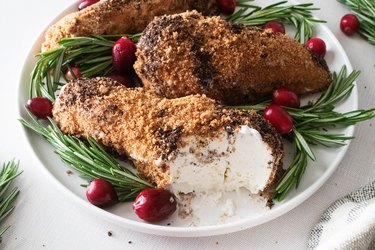
These jalapeno pepper cream cheese poppers are so quick and easy to prepare and they are incredibly delicious as well! I make jalapeno pepper cream cheese poppers at every opportunity. During the cold weather months I make my jalapeno pepper cream cheese poppers indoors in the oven. In the warmer months, I absolutely love to pop a few on the B.B.Q grill, while grilling burgers. Anyway that you choose to prepare these jalapeno cream cheese poppers, they taste delicious!
Jalapenos, red and green, originated in the Veracruz, Mexico town of Jalapa. Shoppers will find jalapenos in most areas of the Southwest, but they are grown mainly in Oaxaca and Chihuahua, Mexico, and Texas. They have become popular for adding heat and spice to Mexican dishes and stews. The green jalapeno can be served roasted and stuffed with cheese for an appetizer. The sweeter red jalapeno is also roasted for soups, pickled for salsas and stews, or dried and smoked over mesquite wood.
Many Mexican recipes call for minced jalapeños. If you're fairly new to cooking, you may be unsure how to mince anything, let alone peppers. Luckily, this is one of the easiest knife skills you can learn. All you need to do is follow a few easy steps.