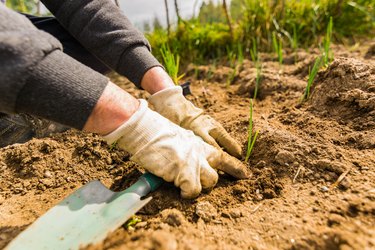
Preparing the soil correctly will allow your bush or tree to grow straight and strong.
With a little planning, you can put your bulbs in the ground, fertilize them, and later enjoy a profusion of blooms.
The key to keeping fresh cut flowers perky for a week or more without floral preservatives (which contain biocides that kill bacteria and fungus) is to keep the water fresh and the stems free of...
Instead of buying expensive peat pots to plant your seeds in, make these spiffy planting pots by rolling recycled newspaper around a glass or jar. The finished pots are sturdy and will break down...
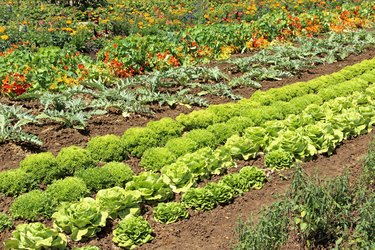
Lettuce is one of those versatile veggies that looks as good in the garden as it does on the table. It does best in cool, sunny weather, but depending on the variety, it will thrive in any part of...
Squash ranks among the easiest vegetables to grow, so it's perfect for the beginning gardener. All varieties are heat lovers, but because summer squash matures in 50 days or so, you can grow it...
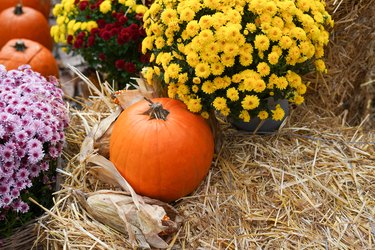
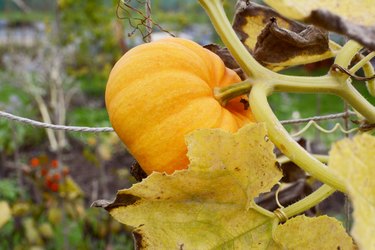
Who could help loving a vegetable that can be baked into pies, carved into outrageous faces and pressed into service as fairy-tale coaches? Pumpkins are a long-season crop, but with a little...
If Peter Piper picked a peck of pickled peppers (or even fresh ones), he'd have a basket full of nutrition and great taste - not to mention some pretty good-looking veggies. Peppers are easy to...
Gardeners have more than 250 varieties of radishes to choose from. They come in dozens of colors, shapes, sizes and flavors that you won't find in any market. Radishes are among the easiest and...
Mark Twain ranked watermelon as "chief of this world's luxuries." You can grow this yummy, heat-loving annual fruit in USDA zone 4 and warmer, but in cooler areas choose short-season varieties and...
Peas have a reputation as cool-weather addicts. But it's a bad rap: By staggering your plantings and choosing heat-resistant varieties, you can enjoy fresh-from-the-garden peas from spring through...
Gardeners generally divide bean varieties into three main categories, depending on the stage at which they're usually picked and eaten: snap, shell and dry. All are easy to grow, and all need the...
More than any other vegetable, corn tastes best when you pick it, then rush it straight to boiling water. That's because its sugar turns to starch in the blink of an eye. Corn needs hot weather,...
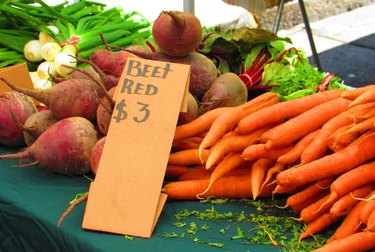
As your mother always told you, carrots are good for you - chock-full of fiber and vitamins. They're beautiful too, with lacy, fernlike foliage that's perfect for containers and flower borders....
Growing celery is a challenge. It thrives where growing seasons are long, moist and cool - though most varieties won't tolerate frost. Nevertheless, the taste of fresh-from-the-garden celery so...
No garden should be without strawberries. They're beautiful, easy to grow, and maybe best of all, the first fruits to appear in the spring. Strawberries have a reputation for liking mild...
Blackberries and raspberries are perennial plants that bear fruit on biennial canes. The roots live on indefinitely, but each year they send up canes that generally produce fruit the second...
If you love spinach salads and eggs Florentine, you owe yourself a big patch of Popeye's favorite food. Spinach needs cool weather to thrive, but if you choose planting times carefully and look...
Elizabethan herbalists used onions to treat maladies ranging from head colds to baldness. Today, most people simply eat them, raw or cooked, in about a thousand different ways. Onions are...
Beets have it all: You can eat both roots and tops; and the foliage, sometimes ruffled and often tinged with red, turns heads in any garden. Beets like cool weather; in USDA zone 8 and warmer,...