You produce plenty of waste each week, but have you thought about where it goes? Modern waste disposal methods give you several different options for getting rid of your waste. Taking a look at the different options helps you find a solution that's not only good for you but also for the environment.
Incineration
Incineration is a fancy way to describe burning waste as a disposal method. This process generates heat, which is then used for energy. Incineration also creates byproducts, including various gases and inert ash. The incinerator design and the waste material being burned dictates how much pollution this method creates. Filters can minimize the pollution.
Incineration is financially better than recycling because it's cheaper to burn waste for energy than the expenses involved in recycling. But it's more expensive than disposing of trash in a landfill. Incineration reduces waste volume by up to 90 percent of the original amount. If organic waste is incinerated, the resulting ash can provide nutrients for hydroponic solutions. Incineration is the preferred method for disposing of toxic chemicals and hazardous wastes.
Recycling
Materials you put into your recycling bin get a new purpose after being processed and turned into new or similar products. The most common recyclable items are plastic, paper, glass and aluminum. Recycling bins are available for home, office or public use to collect recyclables before being taken to recycling centers. Many communities also offer curbside pickup of recyclables to make this option easier. Recycling is the most environmentally friendly method because it doesn't add any waste material. The downside of recycling is that only certain items can be recycled, and processing plants are expensive to operate and maintain.
Composting
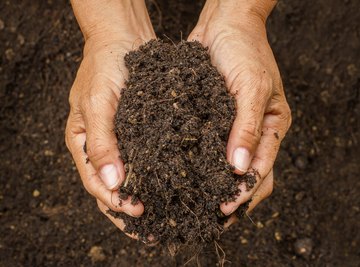
Composting is a natural process where organic wastes break down into nutrient-rich compost perfect for your garden plants. Microbes decompose the organic materials as they sit in a compost pile or bin for months. Composting preserves more nutrients than incineration and is the preferred method for organic waste disposal. The main drawback is the amount of time it takes for the organic materials to break down into compost. This method also requires you to have enough space to make a large compost pile, which is challenging if you live in a multi-family dwelling or have a small yard.
If you don't want to mess with managing your own compost pile, check with local municipal services. You may have the option of curbside pickup for your compostable materials. Separate trucks pick up those materials and take them to facilities that process them into compost. Check the list of allowable items to make sure you don't add items that can't be processed into compost.
Sanitary Landfill
A landfill is an option for items that you can't get rid of through other methods. A protective lining beneath the waste helps to prevent harmful chemicals from leaking into the groundwater and polluting drinking water. A layer of earth goes over the compacted waste. Soil with low permeability is preferred for landfills to cut down on the potential for leakage. Some landfills use hardening materials such as cement or asphalt to seal each layer of waste. Landfills are usually located in areas without flooding or high groundwater levels.
References
About the Author
Tony Antonangeli has written numerous research papers on various mental and physical health-related topics. His work has appeared in many online publications. He holds a Bachelor of Arts in psychology.