The Types of Beet Pulp

Beet pulp is a great feed additive or alternative for horses. It can be used for several reasons. There are two different types of beet pulp: one that is plain and one that has molasses added. Depending on what you want to use it for will determine which type you prefer. Horses who have issues with sugar are often put on plain beet pulp because it doesn't give them the sugar or the carbohydrates they would get from grains. Horses that need to drink more water, need help with digestion and do not care about sugar can eat the type with molasses.

  1. Origin of Beet Pulp

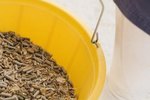
    • Beet pulp is what is leftover after sugar beets have been stripped of their sugar. It is a fibrous material that has to be dried because it is prone to molding. Once the beet pulp is dried, it can then be used as a supplement or an actual horse feed. Many different types of horse feed have dried beet pulp in their mixture because of its high fiber and calcium content. It helps with the same digestive issues that many other forages such as hay and grass can do.

    Unsweetened Beet Pulp

    • There are two main types of beet pulp. One type of beet pulp is in its natural form without any additives. This is usually the type of beet pulp that is added to grain mixtures and also given in larger portions to horses that have insulin issues, that founder due to high sugar, that are obese, and that need more roughage in their diet. Normal grains are high in starch, carbohydrates and sugars, where beet pulp is not. Because of this, the unsweetened beet pulp helps owners regulate the insulin intake of their horses.

    Sweetened Beet Pulp

    • In sweetened beet pulp, the molasses is added before it is dried, and then it permeates out once the beet pulp is soaked. Sweetened beet pulp is best used for horses that you want to encourage to eat. These are horses that either need to eat to gain weight, or you are trying to encourage them to eat the beet pulp for a higher water intake. Horses gain weight on sweetened beet pulp because it is flavorful, easier to chew, and good for digestion.

    Using Beet Pulp

    • Do not use beet pulp as your only feed because it is high in calcium and fiber, and too much calcium can be problematic. Use the unsweetened beet pulp if you have an obese horse, or insulin issues, and you have reviewed it with your veterinarian. Use sweetened beet pulp in the winter to help increase your horse's water intake and roughage intake. Horses tend to need more water in the winter months but they do not like to drink water, which can cause colic. Also in the winter, grass and hay are in shortage. When using bulk beet pulp, it needs to be soaked for a sufficient amount of time to prevent choking or colic.

Related Searches:

References

Comments

You May Also Like

  • About Beets

    Beets are winter plants (part of the Amaranth family), and a very popularly consumed vegetable, in particular the red-rooted garden beet. They...

  • Different Types of Food Packaging

    Manufacturers of foodstuffs rely on packaging their products for reasons that range from protection, freshness and containment to serving size, marketing ...

  • What Are the Dangers of Beet Pulp in Dogs?

    Beet pulp often is found as an ingredient in commercial dog food. There appears to be mixed feelings about its use. While...

  • Health Benefits of Beets

    One of the best foods out there for you are beets. Most people wouldn't list them under their "favorite food" category, but...

  • Types of Beets

    A root vegetable, beets are available year-round. The green leaves of beets are also edible and contain a higher nutritional content than...

  • What Are the Benefits of Beet Juice?

    Beet juice is a purplish red juice made out of beetroot (Beta vulgaris). Although not a very popular food item, beet juice...

  • How to Make Coconut Flour

    When wheat flour isn't an option in baking, whether that is due to a gluten allergy or a low-carbohydrate lifestyle, coconut flour...

  • How to Feed Whole Sugar Beets

    Sugar beets are an ideal supplemental food source for ruminant livestock. They are high in energy and digestible fiber. Processed beet products...

  • The Advantages of Beetroot Juice

    The Advantages of Beetroot Juice. The juice of the beet, often called beetroot juice, is a highly nutritious addition to the diet....

  • How to Feed Beet Pulp to a Sheep

    Sheep owners sometimes feed beet pulp to their sheep to increase protein in their diets. Shepherds usually augment protein intake during a...

  • Beet Pulp Allergies in Dogs

    Beet pulp is a common filler in dog foods. It's a fiber source, which is why it has been touted as beneficial....

Related Ads

Featured