
Forensic Entomology Activities

Forensic Entomology Activities thumbnail
Maggots are the larval stage of flies.

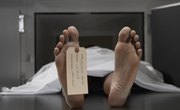
Forensic entomology is applying the study of certain insects to help with criminal investigations. A forensic entomologist may be required to identify insects at different phases of their life cycle as well as collect and preserve insects as evidence at a crime scene. Studying insect evidence can help ascertain the time elapsed from the time a victim was killed to the time the victim's body is discovered. For students studying forensic entomology, there are several hands-on activities that can bring the subject matter to life.

  1. Murder Case

    • The National Library of Medicine's website provides lesson details and information for a forensic entomology activity that uses details from a real murder case. The investigator in the murder case had to collect insects as evidence as well as raise larvae until they reached the adult stage of their life cycle. Students are given the role of detectives in this activity and will access the case summary which provides information of the detailed investigation. Students will then use reasoning and mathematics to answer worksheet questions and also show that they have grasped the concept of how information about insects' life cycles can be used to determine time of death. Keep the answers hidden and offer a prize to the budding detective who gets the correct answer.

    Blow Fly Life Cycle Chart

    • One of the most important insects in forensic entomology is the blow fly. This activity is for younger students and will help them to understand the stages of the blow fly's life cycle and how this relates to forensics. Students will need cardboard and drawing materials to create a life cycle chart. The adult blow fly lays eggs on a dead body within minutes of death. The eggs are laid in the body's natural openings and in any wounds. Each female blow fly lays about 250 eggs from which the first-stage maggots will emerge within 24 hours. Once they have fed and molted, they become second-stage maggots, and after feeding for a number of hours, they molt once more and become third-stage maggots. The final stage is metamorphosis into the adult form. This is an important timeline for students to understand and memorize. The sizes of the insect at different stages should be noted and labeled on the chart.

    Raising Flies

    • It's one thing to learn from pictures and diagrams, but raising live flies is an activity that will help students to identify the real thing. This activity, which can get rather smelly, should not be done on a really hot day, as flies do not flourish in excessive heat. Place liver pate and baked sardines on separate foam meat trays. Set the trays outside in a lunch box on top of a layer of dry sand. The sand should be about an inch deep. Leave the trays uncovered for about two days. Hairy maggots, of the genus Chrysomya, will be attracted to the sardines, while smooth maggots, genus Calliphora, will be attracted to the liver. Once maggots are visible, bring the trays inside and cover with a netting material. Mist the food with water to keep it moist. Students can watch the maggots grow and change. They should keep a chart with measurements and observations.

    Time of Death Game

    • Insects arrive at a dead body at very specific times and in a particular order. They then continue onto different phases of their life cycle depending on the temperature and other factors. Divide the class into teams and have them read up the night before about the various insects involved in forensic entomology. Prepare a set of questions and scenarios that describe a crime scene and the insects present on that particular victim. Based on these clues, teams must work out the respective times of death. The winning team is the one that determines the answers the quickest.

Related Searches:

References

  • Photo Credit Jupiterimages/Photos.com/Getty Images

Comments

You May Also Like

  • How to Kill Maggots in Your Green Bin

    Green bins that hold your garbage before it is collected may attract flies and maggots to the bin. These pests can be...

  • Forensic Science Classroom Activities

    Forensic science uses many different applications to help answer questions posed by the legal system. Forensic science uses evidence to tie criminals...

  • Life Cycle of a Blowfly

    A blowfly is a scavenging insect that lives and feeds on carcasses. A blowfly completes its entire life cycle in 10 to...

  • Forensics in Kids' Schools

    Forensic science (forensics), the study of crime scene evidence applied in the legal system, can include a broad spectrum of methodologies and...

  • Entomology Projects

    Entomology Projects. Entomology, or the study of insects, can be an engaging study within the field of biology for everyone from elementary...

  • The Role of Forensic Entomology and Forensic Botany in Criminal Cases

    Forensic sciences play vital roles in the investigation and solving of crimes. Entomology involves the study of insects and arthropods whereas botany...

  • Advantages of Forensic Entomology

    Advantages of Forensic Entomology. Anyone who's watched CSI or another procedural crime show has heard about forensic entomology. At its core, forensic...

  • Forensic Entomology Schools

    Forensic Entomology Schools. Forensic entomologists apply their understanding of insect behavior and genetics to study a crime scene. Entomologists are able to...

  • About Blow Flies

    Pollenia rudis, the common blow-fly, has achieved a star status in crime novels and television procedurals that would surprise even that maven...

  • Facts About Entomology

    Entomology, or the study of insects, can prove to be a valuable career choice. Entomologists not only study insects and the way...

  • Life Cycle of Blowflies

    Blowflies are a group of insects that inhabit the contiguous United States and other temperate climates. They typically feed and lay their...

  • What Are the Steps Carried Out in Entomology in Forensics?

    Entomology in forensics deals with insect evidence collected on or near a body. The forensic entomologist takes several important steps to ensure...

  • Classroom Activities on Genetics

    The characteristics of almost every living thing is determined by genetics. What a human looks like and how she responds to diseases...

  • Insects Used in Forensic Entomology

    Insects Used in Forensic Entomology. Forensic entomology is the legal application of the study of insects and their arthropod relatives to determine...

  • Types of Maggots

    Types of Maggots. Maggots are the larvae phase of insects like flies and beetles. They live on of the dead tissues of...

  • Life Cycle of a Horse Fly

    Horseflies are often confused with deerflies because they look almost the same and go through their larval stage in much the same...

  • Life Cycle of Calliphora

    The calliphora, commonly known as the blue bottle fly or blowfly, has a special affinity for decaying meat, although it is not...

  • Careers in Entomology

    Careers in entomology are wide-ranging and include beekeeping, pest control, teaching, consulting, forensics, military, conservation, agriculture, chemistry, human ...

  • Bluebottle Life Cycle

    A bluebottle is a type of blowfly, a non-biting fly found all over the world. Except for their blue to purple-black metallic...

Related Ads

Featured