Ecosystems define life as we know it. An ecosystem "includes all living organisms in an area as well as its physical environment functioning together as a unit," as stated by Biology Online. Measuring the increase in biomass of a specific area within a determined period of time establishes the productivity of ecosystems, as described by Encyclopaedia Britannica. Climate, soil conditions, altitude and different forms of stress all directly affect the world's most productive ecosystems.
Tropical Rainforest Ecosystems
Video of the Day
According to the World Wildlife Fund, "Tropical forests are some of the richest, most exciting areas on earth. They are home to gigantic trees, colorful birds and a huge variety of fascinating mammals. About 80% of the world's documented species can be found in tropical rainforests, even though they cover only about 6 percent of the Earth's land surface – less than half the area they covered not so very long ago."
Video of the Day
These forests can maintain a steady production of biomass throughout the year due to a continuous supply of light and rainfall in a warm climate. This favors plant growth, the organisms that depend on these plants to thrive and the predators that feed on these organisms.
All this growth contributes to a high degree of biodiversity. Despite poor soil conditions, rainforests contain a highly efficient system that recycles dead matter into a usable food source for plant roots. Fungi, bacteria and other microorganisms all play a key role in supporting one of the world's most productive ecosystems.
Coral Reef Ecosystems
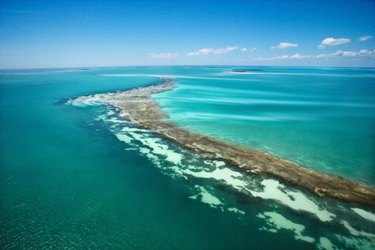
The varieties of corals that form reefs inhabit the shallow, clear and warm waters of the tropics. "Due to their structural complexity, corals are one of the most productive ecosystems on Earth," states Mongabay. Often called rainforests of the ocean, they support a wide diversity of marine life in various stages of growth.
Coral reefs serve as nurseries and habitats for countless species of vertebrates and invertebrates that form elaborate prey and predator relationships. The foundation of this multi-structured ecosystem begins with tiny colonial animals that form hard exoskeletons. As they multiply their structures grow, and over time can span miles and support millions of species.
Wetlands as an Ecosystem
The Massachusetts Office of Coastal Zone Management describes wetlands this way: "Wetlands are among the most productive ecosystems in the world, comparable to rain forests and coral reefs." Wetlands support countless varieties of plant and wildlife species.
Some species of animals such as birds may live in wetlands temporarily in order to rear their young, while others such as fish, reptiles and amphibians establish permanent homes in wetlands. Dead plant matter decomposes in the water and feeds aquatic insects, shellfish and small fish, forming the base of this productive food chain. "Food webs" refer to the intricate relationships among the inhabitants of this ecosystem.
Mangrove Forest Ecosystems
These forests grow in tropical and subtropical climates along the coastlines. Mangrove forests are among the most productive ecosystems on the planet. They store large amounts of nutrients which feed multiple species of mollusks, fish and crustaceans.
These attract various predators that also use mangroves for shelter and nurseries. Mangrove trees and shrubs have evolved to thrive in the inter-tidal zones between land and ocean. Abundant in nutrients, these sensitive areas depend on the mangrove forests to maintain the intricate balance of life that flourishes here.