
The five themes of geography include location, human-environment interaction, place, region, and movement. These five concepts help educators explain how and why humans map the Earth, as well as the ways in which people affect and are affected by the Earth. The five themes of geography help students comprehend the concepts of geography and apply them to their daily lives.
TL;DR (Too Long; Didn't Read)
Geography has five themes that help humans comprehend different aspects of the field and how they relate to human life. The concepts of location, human-environment interaction, place, region, and movement make up this list.
Location: Coordinates and Relative Distance

Two distinct but related parts — the specific and the general — make up the idea of location. Specific location refers an actual address, like "123 Main Street," or a set of geographical coordinates like "40.7128° N, 74.0060° W." General location describes where a place is in relation to another place. It does not give a direct address but indicates a place's relative location and its relative distance. For example, the general location of a certain store could be "20 minutes away by car, next to the bank."
Human–Environment interaction: Altering the Environment
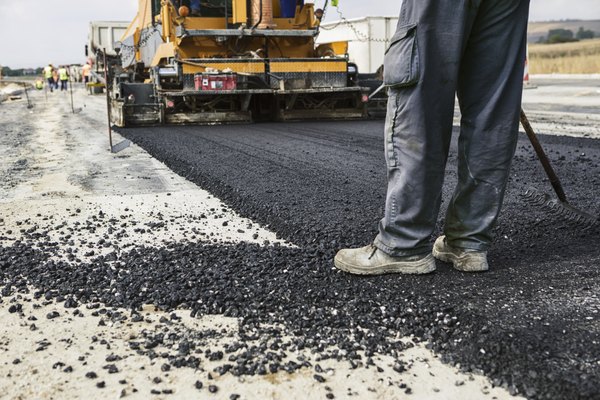
Human-environment interaction describes how people work together and how they function in their environment. This interaction contains three key areas: human dependence on the environment, how humans alter the environment, and how the environment changes humans. Dependence refers to a need for something — like natural resources — from the environment. Humans alter the environment by, for example, building roads through wildlife areas. The environment also changes humans: For example, people in cold climates wear coats in the winter to shield themselves from the cold.
Place: Human and Environmental Differences
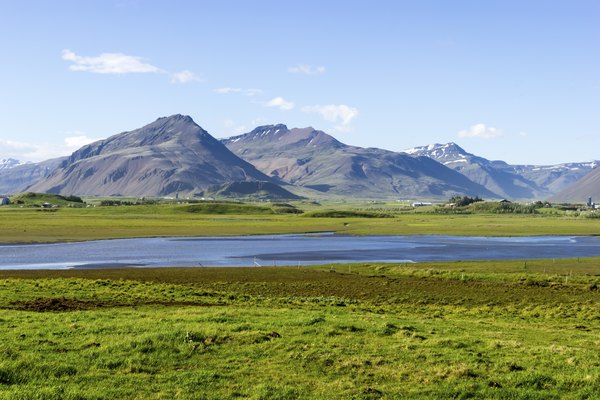
Place refers to a description rather than a location. Place is divided into two categories: human differences and physical differences. The concept of human differences refers to the ways in which people change and develop a place. These changes may be concrete, as in building construction or cultural. The concept of physical differences describe the ways in which a part of the world is characteristically different from others. For example, some places have mountains, while others have desert terrain.
Region: Broad Groupings
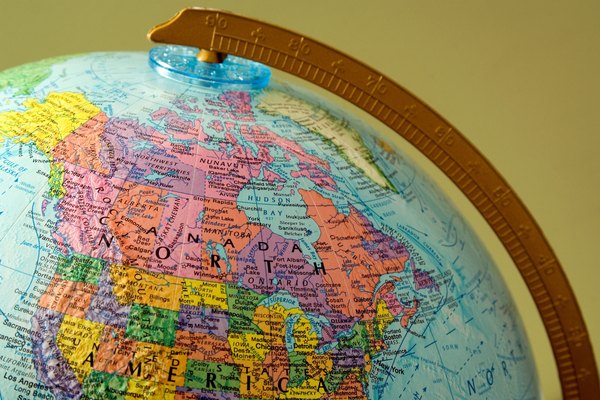
Each region has specific characteristics. Region, as a concept, contains three categories: government, functional, and general. Humans define government regions formally and politically — the United States is a government region, as are the European Union and the city of London. Functional regions hold specific services designated for that area; school districts, for example. Humans classify general regions in broad terms. For instance, different parts of the U.S. can be thought of as the South, the Northeast and so on.
Movement: Transmission of Goods and Services

Humans define movement as the way people travel from place to place, circulate information, trade good and services, and share ideas. The way in which food travels to a grocery store or how people travel from one place to another are both examples of movement.