



Pollutants given off by various industries and factories are often considered to be one of the prime factors contributing to air, water and soil pollution. According to the Environmental Protection Agency (EPA), it has been estimated that industrial pollution is responsible for almost 50 percent of the pollution present in the United States. There are various wide-ranging effects, as well as serious consequences, of industrial pollution on the ecological balance of the atmosphere.
Global Warming
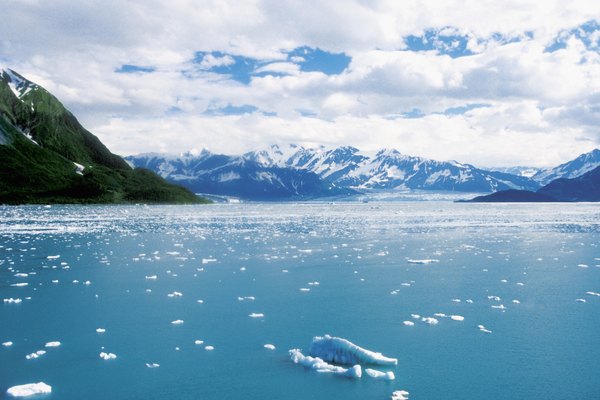
Global warming is one of the most common and serious consequences of industrial pollution. The emission of various greenhouse gases such as CO2, methane (CH4), among others from various industries, increases the overall temperature of the earth, resulting in global warming. Global warming has various serious hazards, both on the environment as well as on human health. It results in melting of glaciers and snow-capped mountains, causing an increase of the water levels in seas and rivers, thereby increasing the chances of flood. Apart from this, global warming also has numerous health risks on humans, such as increase of diseases such as malaria and dengue, cholera, Lyme disease and plague, among others.
Air Pollution
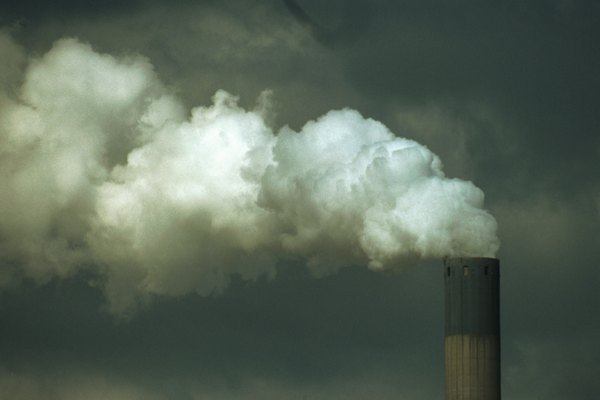
Industrial pollution, as stated above, is one of the major causes of air pollution. With the increase in the number of industries and factories due to the industrial revolution; air pollution also has increased significantly. The emissions from various industries contain large amounts of gases such as carbon dioxide, sulphur and nitrogen, among others. These gases, when present in elevated levels in the atmosphere, often result in various environmental and health hazards such as acid rain, and various skin disorders in individuals.
Water Pollution
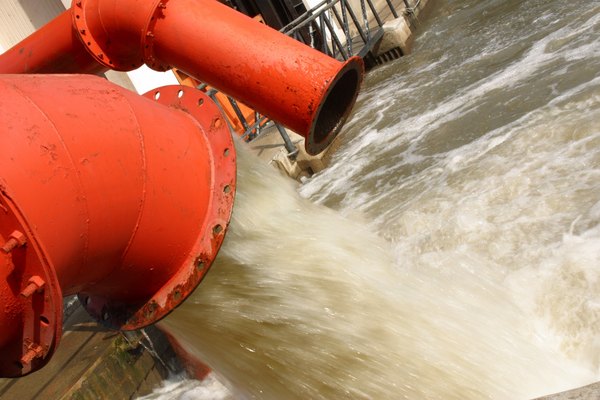
Pollution emitted from the industries is also one of the major factors contributing towards water pollution. Dumping of various industrial waste products into water sources, and improper contamination of industrial wastes, often result in polluting the water. Such water pollution disturbs the balance of the ecosystem inside, resulting in the death of various animal and plant species present in the water.
Soil Pollution

Soil pollution is defined as a phenomenon is which the soil loses its structure and fertility due to various natural and artificial reasons. Dumping of industrial wastes is one of the prime factors contributing towards soil pollution. Industrial wastes contain large amounts of various chemicals which get accumulated on the top layer of the soil, resulting in loss of fertility of the soil. Such loss of fertility ultimately results in changes in the ecological balances of the environment due to reduction in plant growth.
Other Common Effects

Certain other common effects of industrial pollution include damaging buildings and structures, increasing the risk of various occupational hazards such as asbestosis, pneumoconiasis, among others.
References
Writer Bio
This article was written by the CareerTrend team, copy edited and fact checked through a multi-point auditing system, in efforts to ensure our readers only receive the best information. To submit your questions or ideas, or to simply learn more about CareerTrend, contact us [here](http://careertrend.com/about-us).
Image Credit
Thinkstock Images/Comstock/Getty Images