


The study of geography in high schools is particularly important in understanding the world we live in. It offers a wealth of knowledge on the relationship of people and their environment. Geography activities can help high school students gain an appreciation and deeper understanding of the world around them.
Understanding the Geography of the U.S.
Distribute a blank map of the United States and ask the students to write in the names of the states and their capitals. Have them research 20 of the capitals and write an essay describing why each particular city was chosen as the capital. Remind them to consider how waterways or lack of them influenced the selection.
Traveling Across America
Have students pretend that they are driving across America from New York to California. Assign them to plan a trip that will take about eight days by car. Ask them to do research to determine how far they might travel in a given day, where they might stop and what landmarks or places of geographical importance they may pass. Suggest they keep a diary of the trip and record worthwhile sights and exciting adventures. Instruct the students to be aware of how people live in the various parts of the country. Share these materials with the class.
Highlights of the World
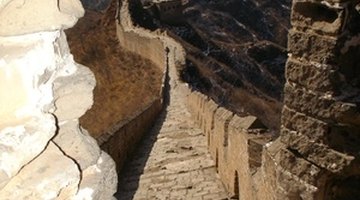
Have the students make a scrapbook describing major geographical points of the world. Tell them to find pictures to illustrate and if possible plan a visual or PowerPoint presentation. Examples of appropriate places could be the Taj Mahal, the Great Wall of China, Temples of Egypt, and the St. Basil's Cathedral of Moscow. Research the Seven Wonders of the World to determine why they became well known. Ask the students to describe their findings to the class. Place the scrapbooks on a special table for display.
Rivers, Mountains and Deserts
Instruct the students to make a chart listing the important rivers, mountains and deserts of the world. On the chart, note location, important features and historical significance. Describe these items to the class. Consider the Nile, Amazon, Yangtze and Congo rivers. Bring in visual materials if available. Post these items around the room.
Lewis and Clark Expedition
Have the students research the Lewis and Clark expedition. Check what routes they followed, what unusual problems they encountered on the way, and what plants and animals they may have seen. Write an imaginary journal of the trip. Share with the class. Compare this to the findings on the travels across the U.S. today. Consider the similarities and differences.
World Populations
Make a graph showing major world populations. Discuss the relative population sizes of the various countries. Which have the largest population? Which have the smallest? Are there any particular geographical features that help determine the population? Post the graph on the bulletin board.
Related Articles





References
Writer Bio
Based in Bellmore, N.Y., Shula Hirsch has been writing since 1960 on travel, education, raising children and senior problems. Her articles have appeared in "Newsday," "Mature Living," "Teaching Today," and "Travel News." She holds a Master of Arts degree from Columbia University and is a retired professor of English.