

The Disadvantages of Fiberglass Insulation

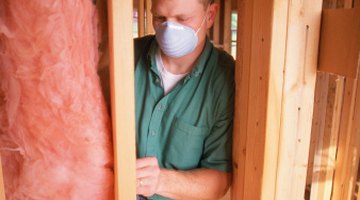
Fiberglass is a common form of insulation, but it does have many disadvantages. It is potentially harmful to humans and its effectiveness depends heavily on the climate.
For example, if there is a significant difference between the outside temperature and the inside temperate, fiberglass insulation is less effective at keeping the heat inside.
Carcinogens
Fiberglass insulation may contain cancer-causing materials. Most of the fiberglass insulation products in the U.S. are sold with a warning explaining there are potential health risks. Inhalation of fiberglass is a serious problem. Inhaling small fibers can cause them to lodge themselves in the lungs, damaging the lungs and affecting the ability to breath. Some fiberglass insulation may have formaldehyde, which may be a potential cancer risk to those installing the insulation.
Lifespan
Fiberglass insulation can settle over time. This causes its effectiveness to significantly drop. An insulation method's effectiveness is measured in "R-value," which measures the ability of heat to pass through the insulation. In fiberglass that has been installed for a significant length of time, the R-value has dropped as the insulation has settled or compacted. While this result applies to most types of fiberglass insulation, some manufacturers claim to have insulation that does not settle over time.
Energy Use
While fiberglass insulation may save energy once installed, the manufacturing process is not particularly green. Fiberglass insulation uses three times as much energy to produce than cellulose insulation, which also has the advantage of being mostly recycled materials. Cellulose insulation is made of 75 percent recycled newspapers, while fiberglass insulation is made of new materials.
Notes
Fiberglass insulation is available in different forms. It may be purchased as a board or batts, and it can be blown in. The properties of fiberglass insulation are slightly different in its various forms. Some forms, such as boards, are less likely to suffer from settling. There are forms in which the inhalation problem is solved by covering the fiberglass with a thin layer of paper that allows vapors to flow freely, preventing moisture buildup.
References
Writer Bio
Bayard Tarpley began writing professionally in 2006. He has written for various print and online publications, including "The Corner News," specializing in health and computer topics. Tarpley majored in English at Auburn University.
Photo Credits
- Stockbyte/Stockbyte/Getty Images
- Stockbyte/Stockbyte/Getty Images
More Articles

