

Common Uses for Hydrochloric Acid
Hydrochloric acid is a very corrosive acid that is useful for a number of household maintenance tasks. It removes rust from metal, it balances the pH of swimming pools and it can also be used to clean toilets and porcelain tiles.
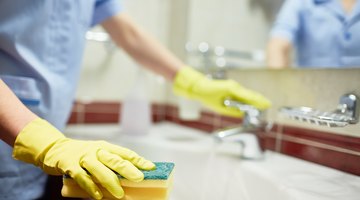
Hydrochloric acid sounds like an intimidating thing but this corrosive acid has a lot of uses. It's found in an number of industries, such as textiles, rubber and even photography. Hydrochloric acid is also used to produce every day products, such as dyes to plant fertilizers.
It's also part of everyday life and is even produced naturally in our stomachs to help us digest food. But when it comes to the store-bought kind, it's amazingly useful to have for projects in and outside of a home.
Around the House
Hydrochloric acid is a common ingredient for tile and porcelain cleaners. It's great for cleaning tiles in kitchens and bathrooms. It's also useful for scrubbing toilets because the harsh acid gets rid of tough stains and disinfects thoroughly. Buildup dissolves very quickly when it comes in contact with the acid, which makes for easier – and even quicker – cleanups.
All kinds of metal around a home can rust, especially if exposed to water. Hydrochloric acid can cut through both rust and metal. To avoid dissolving or damaging the metal that you're trying to clean, dilute the acid and then pour a little bit over it. This is ideal for metal fixtures in bathrooms and kitchens that may start showing signs of rust after a few years of being used.
Outdoor Maintenance
Limestone and hydrochloric acid are often mixed to create calcium chlorate, which is the salt used to de-ice roads, front steps, driveways and sidewalks during the winter. It's convenient to keep some in a cool, dry place during the cold months in case of heavy sleet or snow. Calcium chlorate is also sometimes used as a food additive for packaged items or a firming agent in baked goods.
Swimming pool chemical treatments make use of hydrochloric acid, too, because the water needs to be disinfected regularly, and it helps maintain an ideal pH level in the water.
Safety Tips
When working with hydrochloric acid, whether by itself or diluted in another ingredient, it's best to wear rubber gloves that cover your hand and wrists. If possible, use gloves that cover some of your arms as well so that your skin isn't injured if the acid accidentally splashes up. Hydrochloric acid is very potent and can cause dermal scarring. If there's a chance it may slash up when being used, such as in a pool or toilet bowl, wear goggles or stand as far away from the bottle of acid as you can.
If anything does accidentally splash you, it's best to wipe it off first, then rinse your skin off as soon as possible with water. If there is swelling or redness, contact a doctor right away. Always err on the side of caution to avoid preventable injuries.
References
Writer Bio
Angely Mercado is freelance writer in NYC whose work is in NPR, Lenny Letter, BK Based, and more.
More Articles

