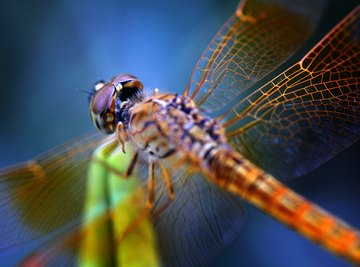
For some insects, there's a radical difference between their larval and adult forms. This is especially true for butterflies and moths, which crawl around as caterpillars in their larval stages only to morph into flying insects with -- in many cases -- strikingly beautiful wings. Not all insects undergo such radical changes. Several classes of insects change very little in appearance as they develop into adults. These insects, which include cockroaches and dragonflies, are said to undergo incomplete metamorphosis.
Cockroaches
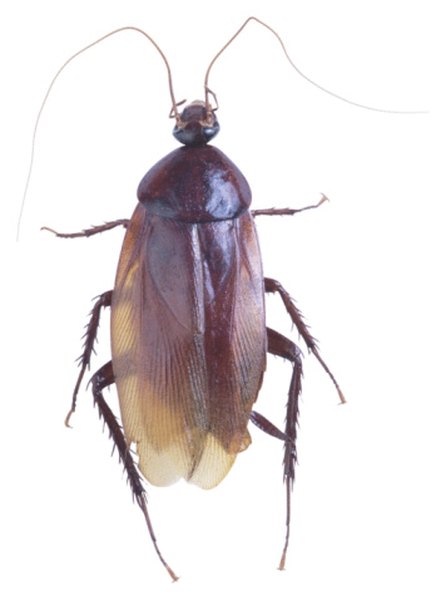
The insect order Blattaria comprises all species of cockroaches. Over 4,000 species of cockroaches exist naturally in the forests and in human dwellings. Cockroaches come out at night to feed on almost anything that is no longer living. Although life spans vary, the average is about two years.
Female cockroaches, which are larger than their male counterparts, can reproduce on several occasions within their lifetimes. Females typically produce an egg case that they retain in their abdomens. As many as 40 offspring emerge from the egg case. After hatching from eggs, roaches pass through a series of molts and growth periods. A larger form of the insect results from each successive molt. The final molt produces the form that possesses wings and reproduces.
Earwigs
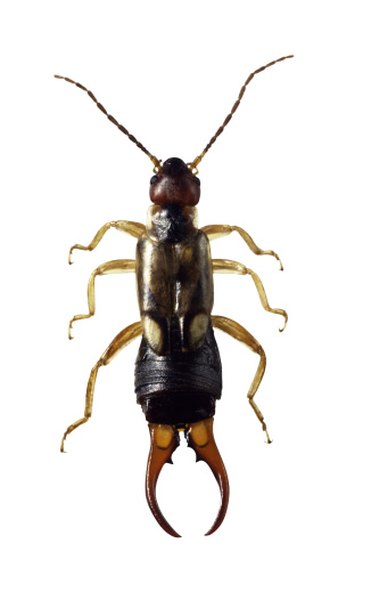
The designation “earwig” derives from the myth that earwigs crawl into sleepers’ ears. These brownish insects belong to the order Dermaptera. Species, which include both winged and wingless varieties, range in length from 10 to 50 mm. The genders exhibit differences in the earwig’s most distinctive feature, the pincers or cerci, with the males having more curved cerci. Earwigs have two pairs of wings, one underneath the other.
Earwigs relish dark, damp places. At night, the insects emerge to feast on both dead and living plants and animals. Females retain sperm within their bodies after mating for fertilization at a later time. Mothers will eat their young if they stay in the burrows for too long.
Hemiptera
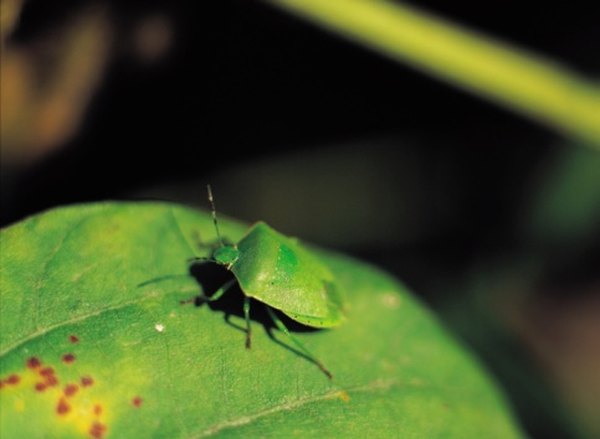
The order Hemiptera encompasses the more than 80,000 species of true bugs in Class Insecta. Members generally possess two sets of wings, but some exceptions have reduced wings or no wings at all. Bugs possess mouths designed to puncture and slurp liquids such as sap. After bugs hatch from their eggs, they pass five nymph stages before entering adulthood. Order Hemiptera includes many of the destructive bugs, such as aphids, known to agriculture.
Mantodea
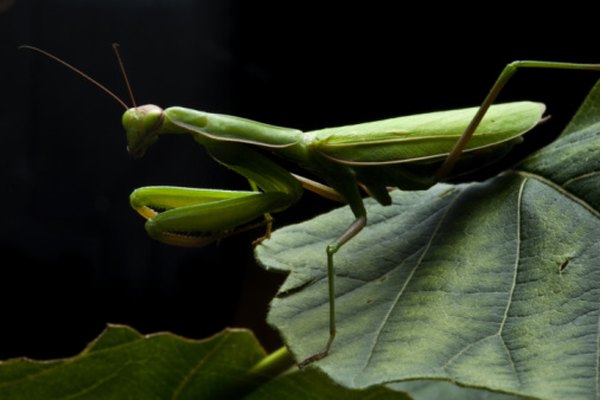
Order Mantodea counts the familiar praying mantis among its members. From a single egg case, over 200 nymphs may hatch. Bodies contain three segments consisting of a triangle-shaped head, thorax and abdomen regions. After a series of nymph forms, an adult -- which may not resemble the nymphs -- then emerges.
Mantids normally prey on other insects. Without a proper food supply, hungry mantids will eat one another. The females often cannibalize the males during the mating process. The insects rely largely on camouflage to evade predators. The mantids use their long, broad front limbs to rapidly catch and hold prey and mates. Farmers welcome mantids because they consume bothersome agricultural pests.
Odonata
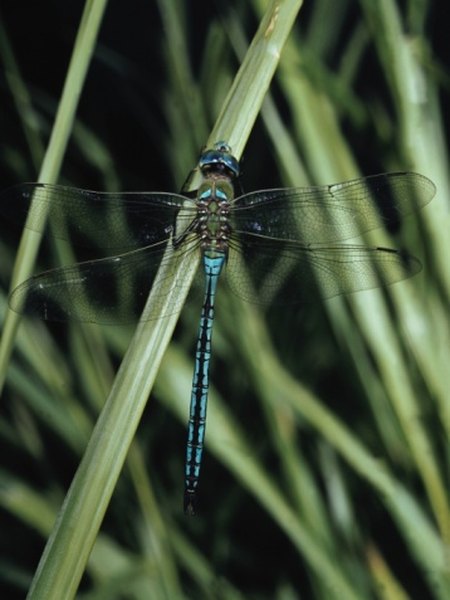
You can identify fragile-looking dragonflies and their damselfly cousins by their elongated, slim abdomens and two pairs of translucent wings. Together, these insects, which belong to Order Odonata, comprise over 5,000 species found throughout the world. The territoriality of the males of certain species serves two purposes: to ensure food availability and to entice females.
Females lay their eggs in the water. The eggs hatch into naiads equipped with gills for aquatic survival. Naiads feed on tadpoles, worms and shelled creatures inhabiting the water. Adults prey on other flying insects, including mosquitoes. Dragonflies and damselflies catch their food by extending lip-like structures called labia to wind around or pierce through prey and pull the captives toward awaiting mouths. Order Odonata benefits humans by predation of pesky insects.
Orthoptera
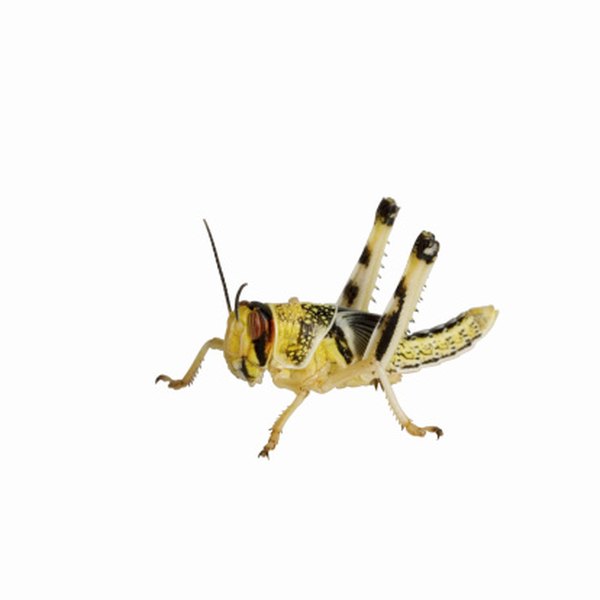
Crickets, grasshoppers, katydids and locusts all belong to the order Orthoptera. Orthopterans begin life as eggs, become nymphs and then finally transform into adults that resemble nymphs in body structure. Species have two pairs of wings, with the sturdier pair protecting the inner, fragile set. The hind legs used for hopping look more powerful than the front legs. Males of some species of Orthoptera announce mating readiness by producing characteristic twittering sounds caused by the stroking of wing against wing or hind leg against wing. Orthopterans generally cause anxiety for farmers because the different species feed on plants. Swarms of the insects have annihilated crops over widespread areas, impacting the agricultural economy.
References
About the Author
Ho-Diep Dinh has been writing since 2005. She is a contributing writer on eHow and Answerbag, specializing in topics such as human health and the prevention and treatment of diseases. Dinh received her Bachelor of Science in physiology from the University of California at Davis.