An animal that eats both plants and other animals is classified as an omnivore. There are two types of omnivores; those that hunt live prey: such as herbivores and other omnivores, and those that scavenge for already dead matter. Unlike herbivores, omnivores cannot eat all types of plant matter, as their stomachs cannot digests certain substances found in grains or non-fruit producing plants.
Large Omnivores
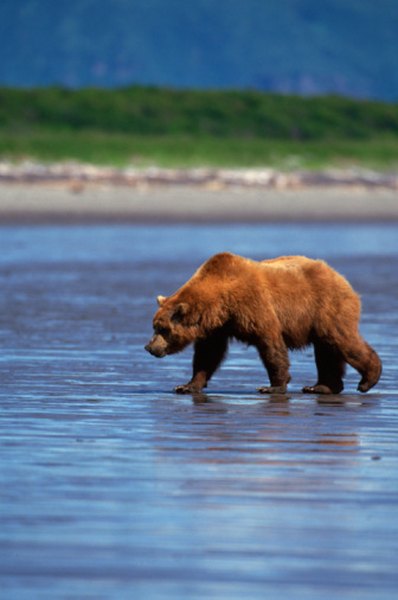
Large omnivores include mammals such as bears, humans and chimpanzees. Humans, chimps and bears each act as hunters, pursuing other animals as prey. When acting as predators, bears generally hunt fish in rivers and streams, while chimpanzees use tools to extract termites from termite mounds and small "spears" to catch Senegal bush babies hiding in trees.
Medium Omnivores
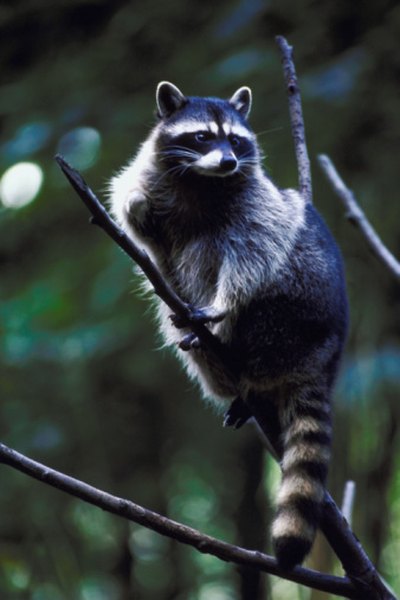
Pigs, raccoons and rats are some of the most widely known medium-sized omnivores, acting as more of a scavenger than a hunter. Some birds, such as chickens, crows and corvids, are also considered omnivores, as their diets can range from berries to insects to small rodents.
Small Omnivores
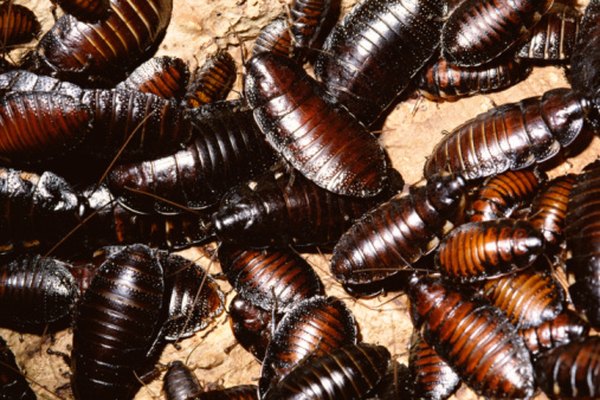
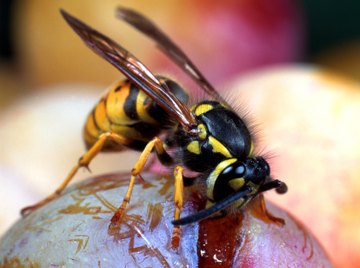
Some of the smallest omnivores are invertebrates such as wasps, flies and cockroaches. These insects rely on the byproducts of other animals to complete their diets and are thus categorized as scavengers.
Where Are Omnivores Found?
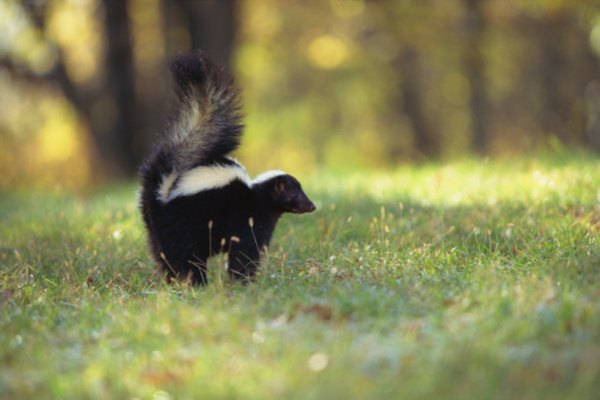
From the polar bears of the Arctic to the squirrels of North America, omnivores can be found in all climate types and generally can assimilate well into life with human neighbors. It's not unlikely to find omnivores ranging from rats to seagulls to skunks living with and scavenging off of the humans in their communities.
References
About the Author
Kelly Bandas has been writing for print/online publications and television since 2005. Having worked with "USA Today," the Boston Red Sox and the New England Sports Network, she now serves as the lead writer and editor for GossipTeen.com. Bandas holds a Bachelor of Science in journalism from Boston University's College of Communication.
Photo Credits
John Foxx/Stockbyte/Getty Images