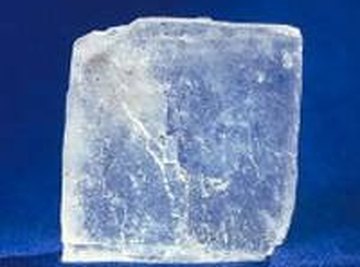

Sodium Chloride
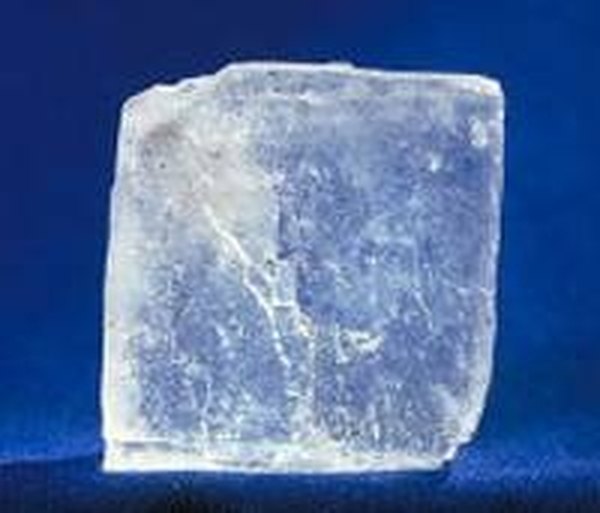
Table salt is called sodium chloride. When it is added to water, it breaks down into ions of sodium and chlorine. Neither of them reacts with water, so salt will only change the volume of the water, not its pH. In order for any type of salt to affect the pH (potential of hydrogen), it has to react with water to release or bind the hydrogen atoms from the water.
Acidic Salts
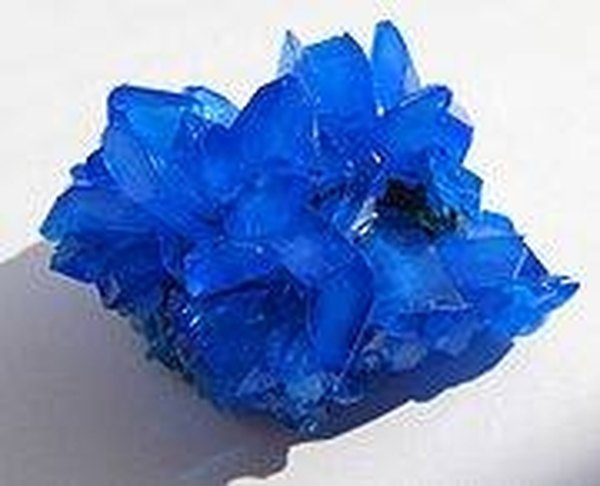
A salt is a general term in chemistry that refers to a negatively charged ion and a positively charged ion (like the Na+ and Cl- ions in table salt) that are brought together when an acid and a base neutralize each other. Adding a basic salt like ammonium chloride (NH4Cl) to water produces a reaction in which the ammonium ion (NH4+) combines with water to produce a hydronium atom (H3O+), which is an acid because it releases hydrogen. Acidic salts make water more acidic.
Basic Salts
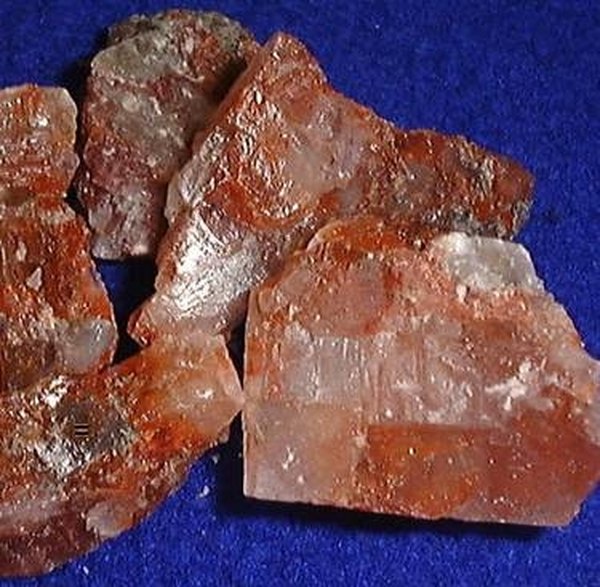
Some salts can make a solution like water more alkaline, and we call these basic salts. For example, sodium carbonate (Na2CO3) is a salt that when added to water breaks into two sodium ions (Na+) and one carbonate ion (CO32-), which combines with water to form hydroxide (OH-), which is a base.
Water Softeners
Many municipalities and some homes will "soften" water by filtering it through a salt. The salt binds with the minerals to take them out of the water. So by adding salt to your water softener, you are only changing the amount of minerals in the water, not its pH.
References
About the Author
Mark Salzwedel, writing professionally since 1992, is a hypnotherapist, masseur and game designer in New York. He studied seven languages and worked in publishing, childbirth education, film/TV and foreign policy. Since receiving a Bachelor of Arts in English from Macalester College in 1984, Salzwedel has studied biology, astrophysics and world religions.