Foods That You Don't Eat When You Have Eczema

Foods That You Don't Eat When You Have Eczema thumbnail
Eating too many sugar-rich foods and beverages can trigger inflammation, worsening eczema.

The inflammatory skin condition eczema typically follows periods of flare-ups and remission. The exact cause remains unknown, but the Mayo Clinic.com reports a malfunctioning immune response that mistakenly attacks skin tissue likely triggers this problem. Many people with eczema also have allergies of some kind. While no definitive guidelines exist on foods to eliminate without question, the actions of certain foods could make eczema worse, and experimenting with their elimination can help you identify personal triggers if any.

  1. Inflammatory Foods

    • Inflammation worsens any skin condition. As for the autoimmune component of eczema, inflammation increases in the presence of conditions resulting from improper immune response; inflammation also worsens these conditions, creating a vicious cycle. Alternative medicine expert Dr. Andrew Weil and the University of Maryland Medical Center recommend cutting back on foods known to trigger inflammation. When eaten in excess, omega-6 fatty acids prompt the body to produce chemicals that promote inflammation. The richest sources include sunflower oil, safflower oil, soybean oil, sesame oil and mixed vegetable oils. Most commercially prepared snack foods use these oils. When cooking, choose oils such as canola and olive instead. Saturated fats found in meat and other animal foods also contribute to inflammation. Weil also recommends cutting back on refined carbohydrates and sugar, both of which react with proteins in the body to promote inflammation.

    Common Food Allergens

    • Because of the links between eczema and allergies, eating the foods most likely to cause allergic reactions or sensitivities could worsen your eczema. The most common culprits include dairy, soy, citrus, peanuts, wheat and possibly all grains that contain gluten, fish, eggs, corn and tomatoes. If you suspect you have food allergies, see a doctor for testing. You can also experiment with an elimination diet that involves cutting out a particular food for a certain time frame and adding it back in to see if it makes a difference in your condition. For optimal results, consult with a health care professional knowledgeable about executing this type of diet.

    Foods High In Histamine

    • Many foods contain the chemical histamine. While usually not problematic you can suffer symptoms similar to an allergic reaction if you lack a sufficient store of the enzyme necessary for its breakdown in the body. Termed "histamine intolerance," the British Allergy Foundation reports this condition has been linked to a number of health problems including eczema. You cannot completely cut out histamine due to its presence in numerous foods, but cutting back or eliminating the richest sources as well as foods known to release histamine into the bloodstream will help. Potentially problematic foods include fermented foods, alcohol, chocolate, citrus fruits, spinach, eggplants, tomatoes, fish, chicken, processed meats -- especially smoked or cured -- Brewer's yeast, alcohol, uncooked egg whites, pineapple and strawberries.

    Recommended Foods

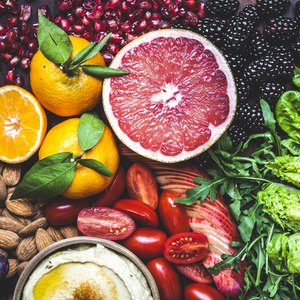
    • The most important foods you can include in a diet to combat eczema will have an anti-inflammatory effect. Examples include antioxidant-rich fruits and vegetables in a wide array of colors and foods rich in anti-inflammatory omega-3 fatty acids such as flax seed, hemp seed and walnuts. Fatty, oily fish represent a good source as well, but you might need to limit consumption if you suspect histamine intolerance. Choose whole grains such as brown rice, oatmeal and whole wheat, unless you discover sensitivity to gluten as well as plant proteins such as nuts, seeds and beans.

Related Searches:

References

  • Photo Credit Jupiterimages/Brand X Pictures/Getty Images

You May Also Like

  • Causes of Histamine Swelling

    Swelling, also called edema, is any enlargement of the body. Organs and skin typically swell when there is an abundance of fluid...

  • How to Use Flax Oil

    Using flax oil is great because it's an excellent source of omega-3, fiber and fatty acids. Get more lean with help from...

  • What Foods Do We Eat That Can Aggravate Eczema?

    Identify and avoid foods associated with eczema flare-ups. Initial studies show that probiotic supplements may help counteract these allergens, according to a...

  • What to Eat When You Have Low Blood Sugar

    Hypoglycemia is closely associated with diabetes, but according to Native Remedies, low blood sugar signals a deficiency of essential vitamins, minerals, amino...

  • Cheese Allergy Symptoms

    Cheese allergies are caused by an adverse reaction in the body that occurs upon ingestion, causing Immunoglobin E (IgE) antibodies to recognize...

  • How to Reduce Inflammation In The Body With Food and Exercise

    You know that eating healthy can help you lose weight, but what you might not be aware of is that certain foods...

  • What Food Helps Eczema?

    Eczema is a skin condition that may be caused or exacerbated by food allergies. You may be able to reduce the frequency...

  • How to Make Teriyaki Chicken Rice Bowls

    Coming home after a hard day’s work is not exactly motivation for whipping up the next fillet mignon. In fact, it’s more...

  • How to Use Fish Oil to Treat Eczema

    Eczema is an itchy, inflammatory disease that affects the skin, though outbreaks may be limited to certain areas. While fish oil is...

  • Foods That Causes Eczema

    Foods That Causes Eczema Eczema, also known as atopic dermatitis, is a skin condition characterized by cracked, dry, itchy and reddened skin....

  • High Histamine Foods

    An allergic reaction prompts the release of many substances--including histamine---which triggers symptoms like itching, swelling and sneezing. This chemical also ...

  • Vitamins That Help Eczema

    Eczema is an inflammatory skin condition often categorized by itching, redness and dryness of the skin. The increased itching causes cracking and...

  • How to Overcome Bipolar Personality Changes

    Abnormalities of brain chemistry and neuronal activity are responsible for mood shifts, from deep dark depressions to energetic highs, associated with bipolar...

  • How to Begin a Diet to Control Eczema

    Exclude food that you think may be making your symptoms worse. Remove the food from your diet for two to six weeks....

  • What Foods Can Cause Eczema?

    Eczema is a skin inflammation that can be either acute (short term) or chronic (lasting more than six months). Eczema is usually...

  • About Make Up & Eczema

    Dealing with eczema isn't easy. It can severely impair your life and make you feel unattractive. You may even shy away from...

  • Eczema Diet Treatment

    Treating eczema with diet changes can have a positive effect on the body. Eczema is linked to the immune system and certain...

  • Does Maple & Brown Sugar Oatmeal Have Gluten?

    Gluten is a protein found in grains such as wheat, barley and rye. It is present in wheat and other flours and...

  • Food & Eczema

    The Mayo Clinic describes eczema as a chronic skin condition that is itchy and causes inflammation. Eczema mainly affects infants and young...

Related Ads

Featured