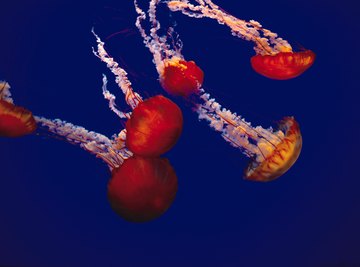
The bathyal, or bethypelagic, zone is the area of the ocean between 3,300 and 13,000 feet deep. Above it lies the mesopelagic zone, while below is the abyssal or abyssopelagic zone. The bathyal zone is in permanent darkness, with only a tiny amount of sunlight at the blue end of the spectrum penetrating as far down as the bathyal zone. This lack of light is a primary influence, along with water pressure, on the creatures that live there.
Fish in the Bathyl Zone
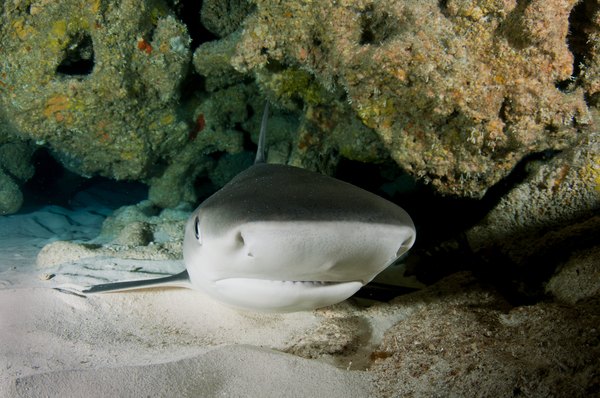
Most fish that live in the bathyal zone are either black or red in color. This is as a defense against predators -- with only minute amounts of blue-green light, red is not reflected and appears black. There is no primary production of plant life in the bathyal zone, so all creatures that live there are carnivorous, eating each other or feeding on carcasses that sink down from above. Examples include the hagfish which have rasping mouthparts for tearing flesh from carcasses, viperfish which have large eyes to detect prey and scavenging sharks, such as the frill shark and sleeper shark. Other fish attract prey with bioluminescent (light produced by a living organism) lures, including the dragonfish and the angler fish.
Eels
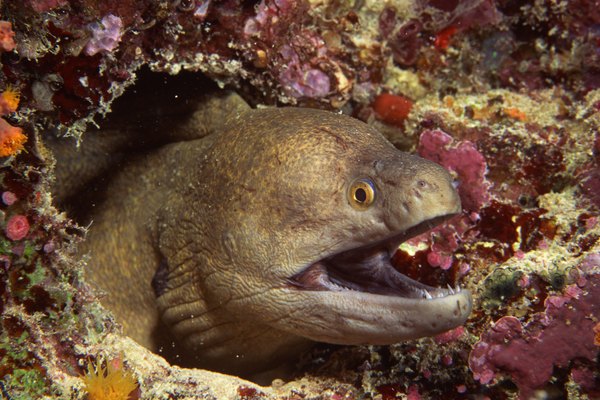
The long, thin bodies of eels are adaptable to the pressures of the bathyal zone. The two most common species are the swallower eel and the gulper eel. Both have large mouth lined with teeth that are capable of accommodating prey much larger than themselves. The monognathid eel has developed a single fang that is linked to a primitive venom gland, on which it impales prey.
Crustaceans
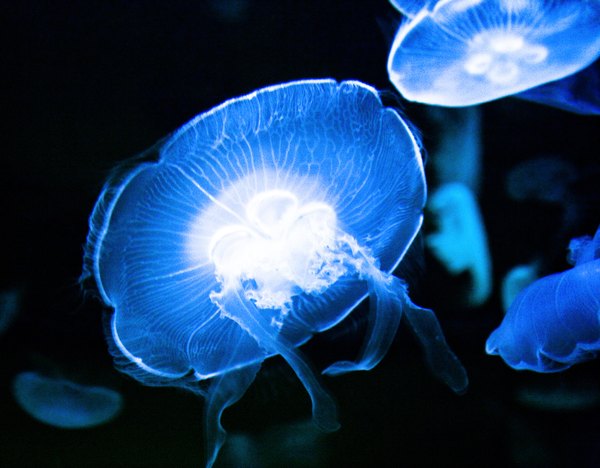
Crustaceans scavenge organic debris that floats down from above. They are either open water dwellers, such as the amphipod which is transparent for camouflage (although it still provides an important food source for other, larger bathyal zone animals, such as jellyfish), or bottom-dwellers like the slimestar which sifts for organic matter amid the silt on the ocean floor.
Squid
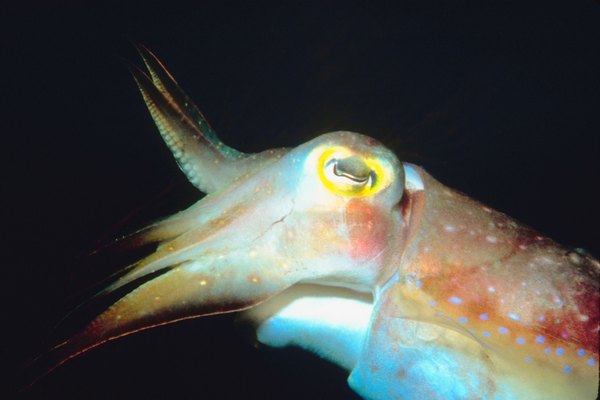
The most common squid found in the bathyal zone is the vampire squid, so named for its hunting strategy of descending on prey and draping its tentacles over it like a cloak or net. The vampire squid's tentacles are lined with sharp spines to catch it prey with. The bathyal zone is also home to the elusive giant squid which, though rarely seen in its natural habitat, is estimated to grow to more than 40 feet in length.
Whales
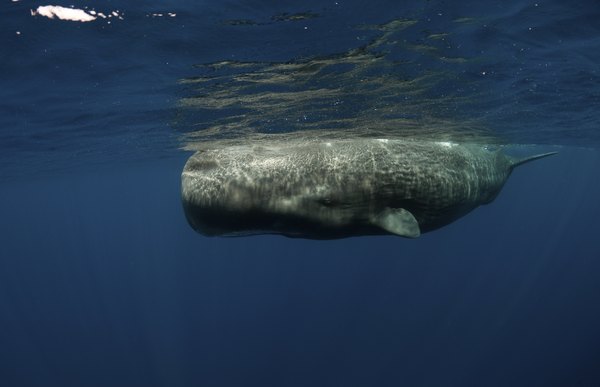
No whale species live permanently in the bathyal zone, but sperm whales, with the large proportion of tissue in their heads protecting them from the immense pressures at depth, are capable of diving into the bathyal zone to hunt. They prey on squid, including the giant squid.
References
About the Author
Dirk Huds has been a writer/editor for over six years. He has worked for bookshops and publishers in an editorial capacity and written book reviews for a variety of publications. He is currently studying for his master's degree.
Photo Credits
Photodisc/Photodisc/Getty Images