Martin Poole/Digital Vision/Getty Images
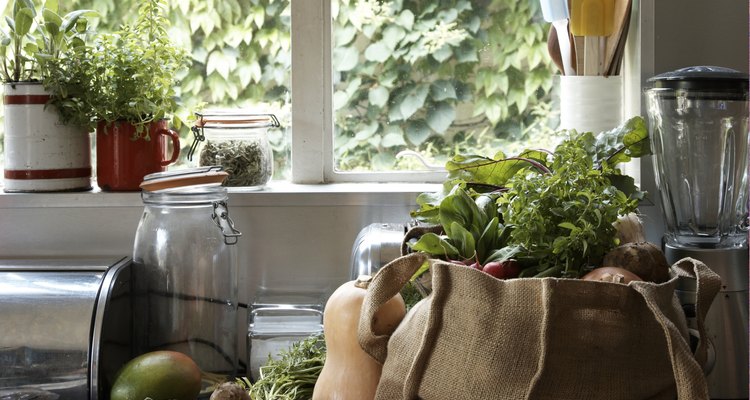
Take your cooking from dull and dreary to something deliciously extraordinary using this simple list of “secret” ingredients that you can add to any dish to make the flavor pop. Put them to the test, and watch culinary magic happen. Here’s 10 common ingredients that will make any and every dish taste so much better.
Related: Find more food tips and recipes on eHow Food
Good Olive Oil
BananaStock/BananaStock/Getty Images
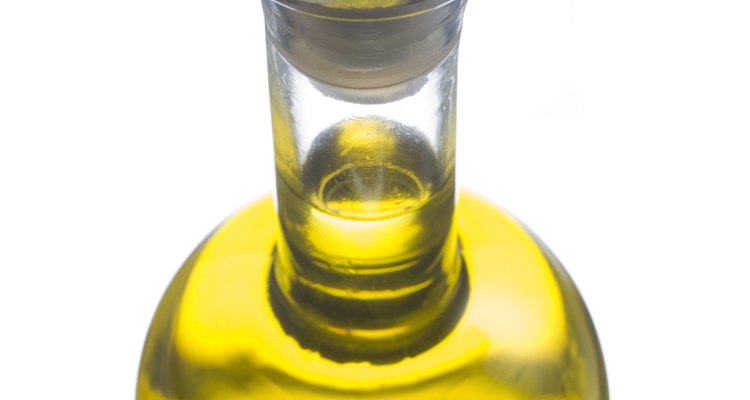
Have you ever tasted bottom shelf, cheap olive oil on its own? It tastes like oil. Good olive oil tastes like deliciously vibrant and fragrant flowers. It can be nutty or grassy, and varies from apple-like to artichoke-like. Good olive oil tastes flat-out delicious, and will make whatever you’re marinating, sautéing or drizzling over taste fantastic. It's a little bit more expensive, but is completely worth it.
Related: Learn more about the various Extra Virgin Olive Oils available at your supermarket.
Fresh Garlic
moodboard/moodboard/Getty Images
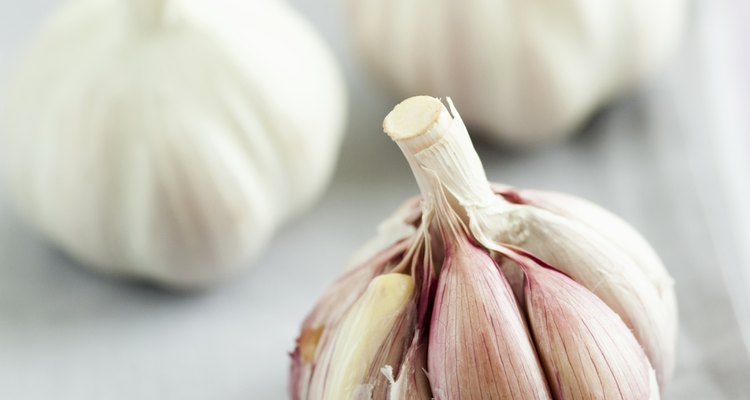
While pre-minced, jarred garlic may allure you with its convenience, you must use real garlic for maximum sweet, aromatic garlic flavor with all of the powerful antioxidant benefits. Garlic contains allicin, a naturally occurring antioxidant that may help improve heart health. This allicin only occurs right after crushing, so say bye-bye to that jarred stuff and hello to freshness. Plus, it just tastes way better. Always.
Related: Find out how to pick the best garlic for your meal.
Fresh Herbs
Jitka Unverdorbenova/iStock/Getty Images
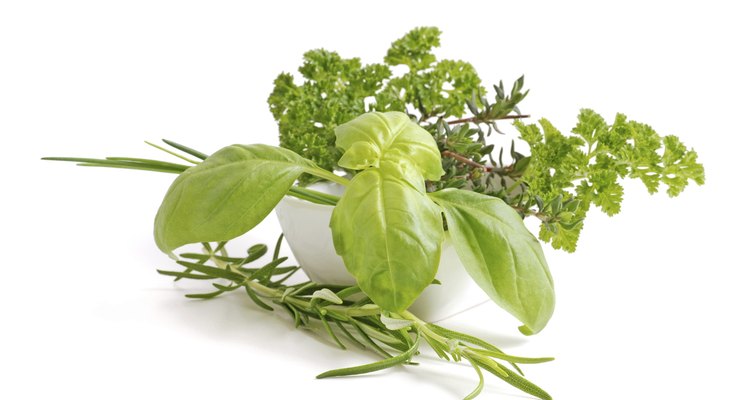
Fresh herbs will make your food taste so much better almost immediately. Yes, dried herbs have their place; but ground up, dried cilantro leaves will never compare to the taste of the fresh ones. The same goes for the brightness of fresh basil, oregano and of course, parsley.
Related: Learn how to store fresh herbs.
Fresh Citrus Juice and Zest
Will Heap/Dorling Kindersley RF/Getty Images
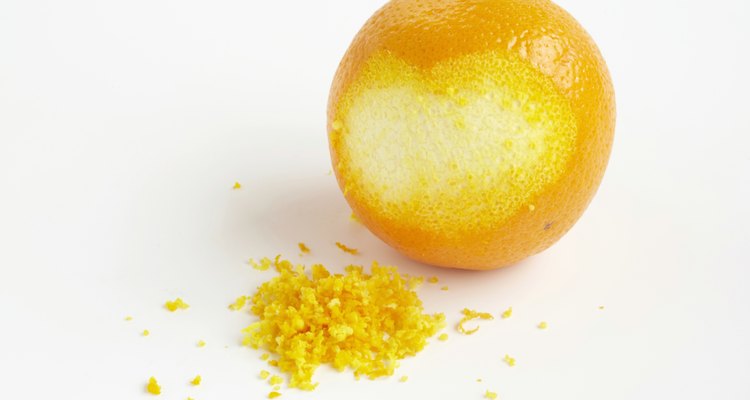
Fact: the stuff in a bottle isn't the same as the real thing. At all. Even the best lime, lemon or orange juice from a bottle will never, ever taste the same as the juice straight from the fruit. Moreover, with fresh citrus, you get to use the citrus zest in your dishes. With zest comes the fruit's natural oils, which translates into an intense, delicious, bright and aromatic experience in every one of your dishes.
Related: Want to zest an orange, lemon or lime? Here's how.
Salt
Diana Taliun/iStock/Getty Images
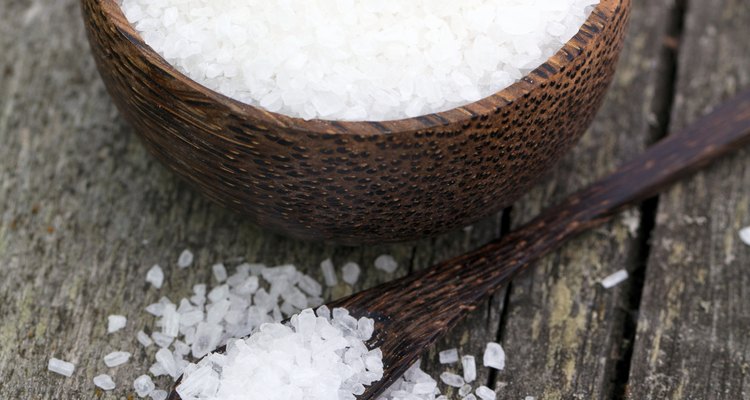
Salt is probably the most essential seasoning in any dish, so please don’t forget the salt. But what kind of salt? Iodized or kosher? Is there a difference? The answer is yes. The big salt crystals in kosher salt are much easier to control. They also melt slower, allowing for more even seasoning. But table salt is still the best to use in baking since it disperses better. Salt also has the power to bring out the best flavors in sweets, too.
Related: Learn how to use various salts with this easy-to-use guide from Real Simple.
Fresh Ground Black Pepper
Brendan Delany/iStock/Getty Images
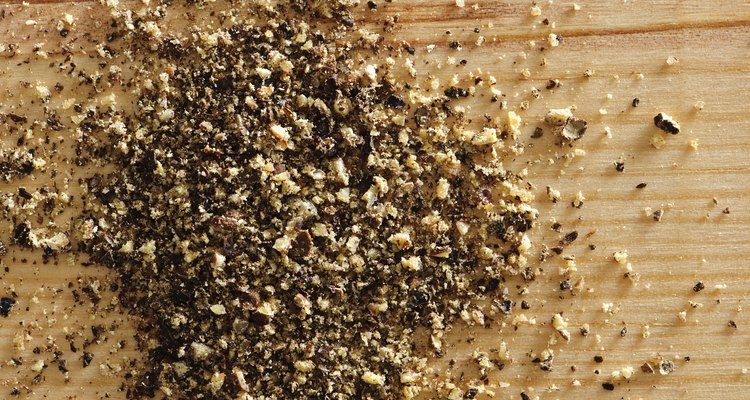
Where salt brings the flavor of foods to their peak, freshly ground pepper adds a wonderful aroma and stimulates the taste buds. So don’t skip this part of seasoning either. And let’s just be honest for a second -- the super-fine powdered stuff in the tins is just plain gross. It’s stale and is the ultimate sneeze-inducer. Just get yourself a pepper-grinder and some peppercorns, and go to town. Each dish you craft will be like waking up in a whole new world called Flavorville. Welcome. You’ll enjoy it here.
Related: Try using black pepper in a new way, with Bobby Flay's Black Pepper Biscuits.
Stock
zkruger/iStock/Getty Images
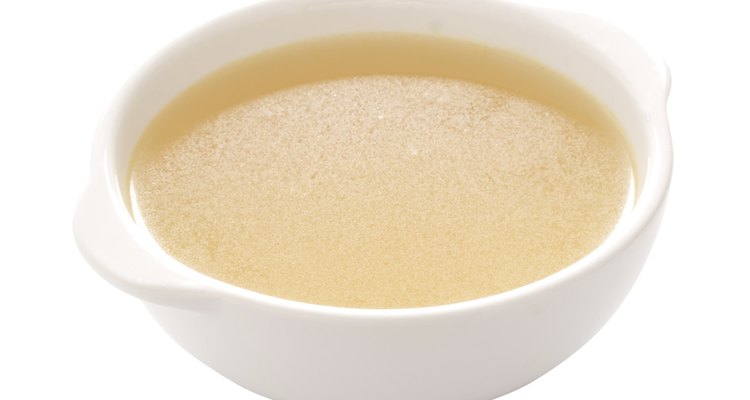
To achieve layers and depth of flavor in soups, stews, sauces, and other dishes, one of the most important ingredients is stock. Veggie stock. Chicken Stock. Beef Stock. Fish Stock. Shrimp Stock. Any Stock. Using various vegetable and meat stocks will change your culinary life for the better. Using a chicken or even a rice recipe that calls for water? Try switching it for stock, and let the flavors explode. Going a step further and making your own stock allows for even more creativity, and control in your flavor, aroma, and salt-level.
Related: Here's a some great ways to make homemade chicken stock from Simply Recipes.
Bay Leaves
msk.nina/iStock/Getty Images
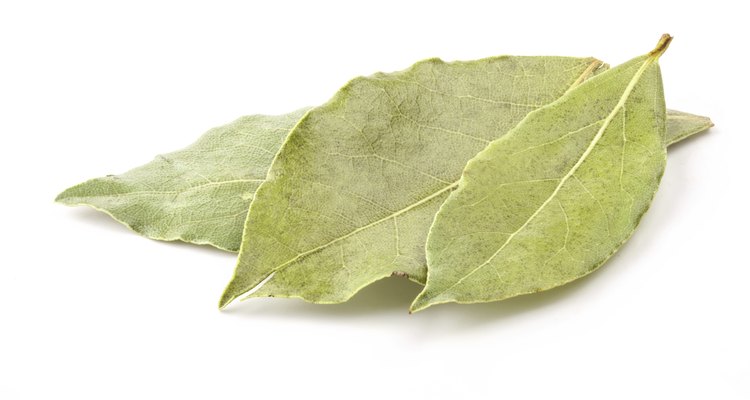
Have you ever stopped to think what bay leaf actually tastes like? Pretty much every stock, soup, and sauce recipes call for bay leaves. You can’t eat them, and they have to be removed prior to a meal’s consumption, so what is the big deal? Bay leaves may not be the boldest or most brazen flavor in a cook's cabinet, but it's more potent than you may think. Think of them more like a spice, rather than an herb. Bay leaves bring the best out of warm spices and meaty flavors, which makes it an excellent team player and will make your dishes have that extra something.
Related: A helpful resource to understand and conquer the bay leaf.
Real Butter
S847/iStock/Getty Images
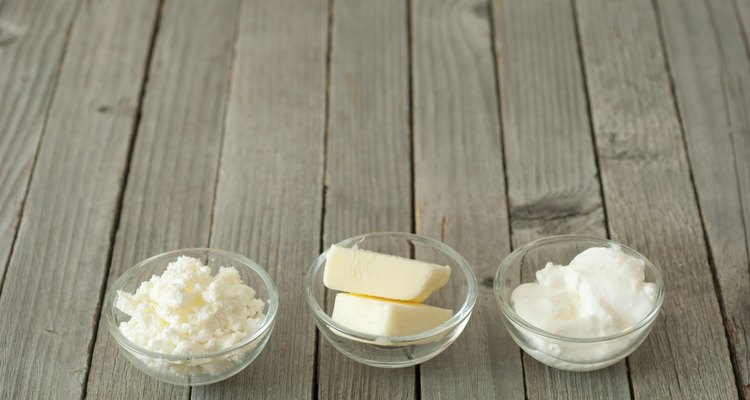
A good, European style butter will transform the way you bake and cook. It will make your pie crusts, cookies, pancakes, grilled cheeses, and even just plain old bread and butter taste even better. A rule of thumb you can follow is the more yellow the butter, the better it will taste, because cow's milk turns yellow when the cows have been grazing on grass. Cool little factoid you can throw out at parties. You’re welcome. Good butter is usually a little bit more expensive than the regular stuff, but it's worth it.
Related: Find out how to make your own butter in the comfort of your kitchen.
Dijon Mustard
supercat67/iStock/Getty Images
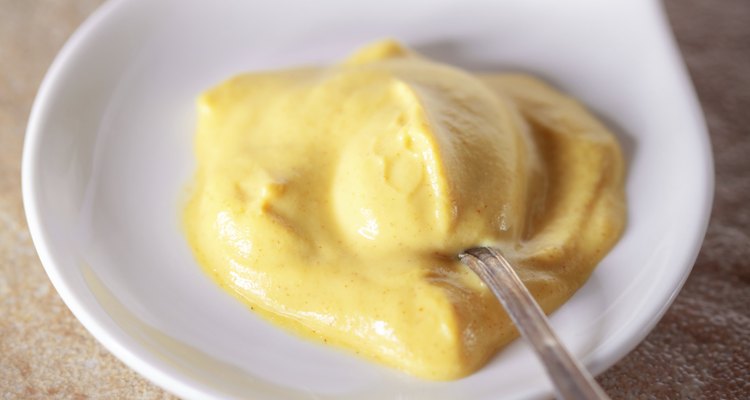
Dijon Mustard isn’t just the stuff of sandwich dreams. The beautifully spicy, fragrant, bright, intensely tangy and mouthwatering flavors Dijon mustard brings to the table make it a vital ingredient to so many of America’s favorite dishes, like mashed potatoes, deviled eggs and rack of lamb. It also provides the right finishing note for dishes like macaroni and cheese and grilled fish. Mix together some Dijon and melted butter (with some lemon and flour) to make a delicious simple sauce for fish or roasted vegetables. And did you know Dijon is essential to making the most delicious and simple vinaigrette ever? Now you do.
Related: Dijon mustard is the key to one of the best vinaigrettes you'll ever taste.
Related Articles

Good Spices to Use in Flour Mix for ...

Seasonings for Trinidadian Foods

How to Use Traditional Creole Seasonings
Seasoning to Use in Place of Beau Monde
How to Freeze Garlic Scapes

The Best Method for Cooking Shrimp

Spices Used to Season Eggs
How to Add Fragrance Oil to a Shampoo ...

Ideas for 18th Birthdays in NYC

Meals That Pair With Corn on the Cob
Seasoning for Chicken Burgers

Things to Do in Orlando With Kids

How to Cook a Cajun Seasoned Catfish ...

How to Eat Healthy for Less Than $10 a ...

Can You Put Iceberg Lettuce Into Your ...
Difference Between Mexican Oregano & ...
Herring in Wine Sauce
How to Cook With Garlic Salt
How to Cook Shrimp for Salad

How to Eat Wild Onions
Resources
- America's Test Kitchen: Guide to Supermarket Olive Oil
- Picking the best garlic
- Storing fresh herbs
- How to zest your citrus. Get your zest on.
- Learn about all types of salt.
- How to make chicken stock several different ways.
- Understanding and conquering the bay leaf.
- How to make butter in the comforts of your own home.
- The best, and easiest vinaigrette you'll ever make and taste.
Writer Bio
Katie Ogletree is a food writer and blogger from the Austin, Texas area. She has been a member of the Austin Food Bloggers Alliance since 2011, and has been featured in local papers and magazines. She is also a writer, photographer and taste-tester.
Photo Credits
Martin Poole/Digital Vision/Getty Images