Hibernation is nature’s way of allowing animals to survive the winter when food supplies are low and water is not always available. Not all animals hibernate in the same way or even at all; some stay in their dens during bad weather and come out to search food on warmer days, some don’t go into deep hibernation but may still hibernate for weeks at a time. Animals that truly hibernate experience some significant changes in how their bodies work during these periods of deep sleep.
Preparation
Before an animal enters hibernation it must receive a trigger that lets it know it’s time to hibernate. The trigger is not the same for all species, but in general all triggers are related to the change of seasons and may include the length of the days and nights or the daily temperature. Prior to the onset of hibernation animals begin to prepare for the process and eat as much as possible so that they will have fat reserves to live on during the winter. They lose much of this weight during hibernation and emerge in the spring eager to forage again.
Circulation and Breathing
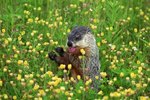
When an animal enters hibernation, its circulatory system undergoes several changes. The heart rate slows and blood vessels constrict. At the same time the shivering reflex is suppressed, reducing energy requirements. Animals in hibernation also require far less oxygen than when they are awake, to compensate for their reduced breathing rates. Changes like these allow hibernating animals such as the golden-mantled ground squirrel to decrease energy needs by as much as 80 percent compared to their needs outside of hibernation.
Body Temperature
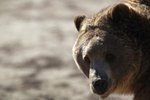
The body temperature of an animal goes down while it is hibernating. How far it drops depends on the type of animal. A bear’s temperature usually only decreases between 10 and 15 degrees, but smaller animals can have much larger changes. Many bats and rodents have body temperatures that drop almost to freezing during hibernation and remain there until spring. The temperatures of animals that are not true hibernators, such as the striped skunk, remain essentially the same throughout the winter.
Waking Periods
Many mammals that hibernate must still wake up from time to time throughout the winter and move around a bit to prevent their muscles from atrophying. At the same time they must eat, drink and empty their bowels and bladders of waste that might otherwise accumulate toxins and kill them. A notable exception to this is bears. These animals can remain in a state of hibernation without moving for up to eight months, yet suffer no ill effects from such long periods of total inactivity.
References
Photo Credits
-
Dynamic Graphics Group/Dynamic Graphics Group/Getty Images