
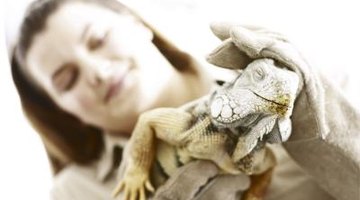


A degree in zoology can lead to any of a variety of exciting careers in the field of animal science for the right person. A sometimes difficult educational path, zoology degrees allow students to pursue careers in animal science, biology, zoology, veterinary medicine, ecology, animal nutrition and more. Zoology majors are math and science intensive, focusing on practical science and math courses in a laboratory structure.
Biology
Zoology majors place a heavy emphasis on biology, which is the study of the inner workings of organic life on earth. This includes animals, and is explored down to the cellular level. Biology classes lay the framework for more in-depth, specific science courses down the road. Information learned in the various biology classes available at the university level is likely to be used by biologists and zoologists actually working in the field.
Chemistry
Like biology classes, chemistry classes are another core requirement for any zoology major. Chemistry classes teach students to use basic, fundamental knowledge of the properties of various elements and use that knowledge in solving chemical problems. Multiple levels of chemistry classes may be needed for degree completion. The knowledge gained in chemistry is used by professionals in the field. For example, a working zoologist may study the effects of chemical contamination of a habitat on the animals that live in that habitat.
Physics
Physics is the study of energy, matter and the interaction between matter and energy. The study of physics is a basic science course. Like biology and chemistry, multiple levels of physics classes may be needed for degree completion in zoology. Zoologists find that physics plays a role in their animal studies. For example, those doing marine studies must understand the physics of water flow, while those studying birds, bats or insects may need to understand the physics of lift and drag since that affects flight.
Calculus
A high level of mathematics, calculus is the study of interaction and rates of change. Often at the end of the scale in math course progression, other mathematics classes may also be required for completion before calculus class prerequisites are even satisfied. Zoologists use calculus, statistics and other mathematics for data analysis and modeling.
Upper Level Courses
After the basic math and science courses have been satisfied, more degree-related courses will become available. Courses in ecology, animal behavior and animal physiology and genetics can be taken, providing training and information that will prove to be of direct use in zoology-related fields. Upper-level courses give students the opportunity to explore various disciplines within your major.
Internships and Co-Ops
Internships and co-ops are another integral requirement often necessary for completion of a zoology degree. Programs like these give students the opportunity to experiment within different fields in the zoology area, gaining valuable experience in the laboratory, in zoos and preserves, and in field studies, as well as the opportunity to make crucial decisions about the field they want to pursue in the future.
Many colleges require internships and co-ops for graduation, granting credits to students who successfully complete their program. Although many colleges offer assistance in finding internships, students are usually free to find qualified programs that interest them.
Related Articles







References
Writer Bio
Nicole Campbell has been writing professionally since 2005. With an extensive medical background, a nursing degree and interest in medical- and health-related writing as well as experience with various lifestyle topics, she prides herself on her conversational, active voice and ability to relate to the average reader.