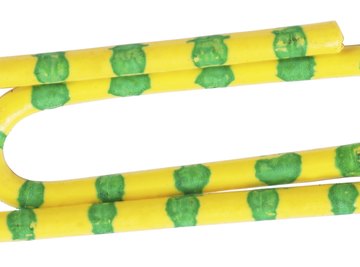
The surface tension of water describes how molecules on the surface of the liquid attract each other. The surface tension of water allows objects of greater density to be supported on the surface of the water. The attraction of a molecule to itself is called cohesion, and attraction between two different molecules is called adhesion. The paperclip floating on the surface of water demonstrates to your children how the surface tension of water works. Indeed, surface tension is what allows small insects to walk on the surface of water -- or what allows dust and leaves to float on the surface of water. This property, in conjunction with cohesion, is what allows the surface portion of a liquid to form drops, such as water drops.
- Bowl, glass or beaker
- Paper towel
- Metal paperclip
- Soapy water
- Dropper
Water beading on a freshly waxed car forms a sphere because of the water's surface tension.
The separation of oil and water is caused by several different properties of the liquids, including the differences in the surface tension of the liquids -- called "interface tension."
Fill a bowl, glass or beaker with water.
Float a small piece of paper towel on the surface of the water.
Place the paperclip on top of the paper towel.
Push the sides of the paper towel carefully down into the water until the paper towel is no longer touching the paperclip.
Remove the paper towel carefully from the water. The paperclip should easily remain floating on the surface of the water unless it is disturbed or bumped.
Mix some soap with water in a container.
Add a couple drops of soapy water to the surface of the water using a dropper. Do this where the paperclip is floating. But be careful to add it to the water away from the paperclip. The soapy water should break the surface tension of the water, causing the paperclip to fall to the bottom of the container. If it doesn't work immediately, give it a few seconds or add a few more drops of soapy water.
Ask your child or student to explain why the paperclip floats on water (since it is denser than water). This is also a way to help your young children become or stay interested in science.
Ask your children or students why they think soapy water caused the paperclip to fall to the bottom. (Hint: It is because soap is a surfactant, and that reduces the surface tension of water.)
Things You'll Need
Tips
References
Tips
- Water beading on a freshly waxed car forms a sphere because of the water's surface tension.
- The separation of oil and water is caused by several different properties of the liquids, including the differences in the surface tension of the liquids -- called "interface tension."
About the Author
This article was written by the CareerTrend team, copy edited and fact checked through a multi-point auditing system, in efforts to ensure our readers only receive the best information. To submit your questions or ideas, or to simply learn more about CareerTrend, contact us [here](http://careertrend.com/about-us).
Photo Credits
Hemera Technologies/PhotoObjects.net/Getty Images