Mold spores are a natural part of our indoor and outdoor environment. However, when it begins to grow, the mold may damage building materials and furnishings, as well as trigger health issues. Not all mold is toxic mold; however, many molds can contribute to poor health and must be abated in the same way.
To be clear, it's impossible to eradicate any mold completely since it's part of a natural environment. Mold remediation is not a process that completely eliminates mold, but instead is a process of cleaning and restoring your home to normal conditions that keep mold under control.
Video of the Day
Video of the Day
Mold requires three elements to grow: moisture, moderate temperatures and a food source. Mold spores grow best when relative humidity exceeds 65 percent and the air temperature is above 75 degrees Fahrenheit. It feeds on cellulose-based materials such as wood and paper products, as well as cloth, such as cotton and linen. Mold also feeds on protein-based materials, such as leather and hair.
Locate the Source
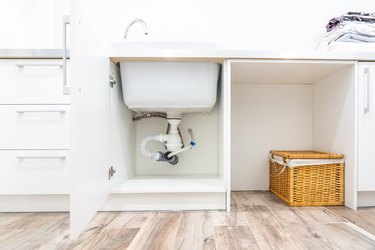
Identify all areas where mold is growing. Look under and behind furnishings and items stored on countertops, shelves or in cupboards. You might need to remove parts of building material to complete the inspection; look under flooring, sink cabinets, wallpaper, drywall or baseboard.
The appearance of mold varies. Colors include white, gray, black, green, brown and others. The texture can be velvety, cottony, leathery or granular. Damaged areas might appear stained or discolored. If you smell a musty odor, but can't see mold, assume it's there. For example, mold can grow hidden inside a building's ventilation system.
Locate the moisture source. Depending on the location of the mold, check for plumbing leaks, roof leaks, ice dams, wet basements, yard run-off/flooding, condensation and high humidity. Any moisture that is present will foster the growth of mold.
Choose DIY or Professional Remediation
Most mold remediation is a do-it-yourself job. However, some situations need professional intervention. Mold remediation professionals are trained to locate mold and identify moisture sources. They have specialized tools and equipment, such as moisture meters, scoping cameras, and infrared cameras. Consult a professional:
- When you have health concerns and are unable to do the job due to a health risk. People at risk include children and elderly individuals, those with respiratory conditions such as asthma or allergies and those who may have a weakened immune system from chemotherapy, organ transplant or HIV/AIDS.
- For an unknown source of mold/moisture. A professional can locate mold if there's a musty odor without visible signs. Professionals are also trained to discover sources of the moisture fostering mold.
- When there's extensive damage. If the area is less than 10 square feet, you can usually complete the job yourself. Otherwise, you'll likely need a team of professionals who can quickly address the problem.
- When hazardous materials are involved. A house built before 1980 might have floor and ceiling tiles containing asbestos, as well as lead paint. These building materials are known health hazards, and a certified contractor is trained to safely remove them.
- To deal with structural damage. Extensive water damage can cause problems that need to be addressed by a building contractor or structural engineer.
Approach this like any other major home project. Obtain quotes that outline the scope and cost of the work. Ask about past experience, training and certifications. These people will work in your home, so hire someone you trust with whom you can freely discuss questions and concerns.
Control Moisture Problems
Always address the source of water or moisture first; otherwise, mold will continue to grow. To control moisture:
- Repair leaking plumbing, roofing, foundations, sump pumps or other sources of unwanted moisture.
- Clean or install gutters to divert water if rainwater is entering a home. Make sure the landscape elevation slopes away from the house.
- Install and use a sump pump if you have ongoing basement moisture issues.
- Reduce condensation in high-humidity rooms, such as the basement, bathrooms and kitchen. Run exhaust fans that are ducted to the exterior of the home. Run a bathroom fan for at least 30 minutes after showering or bathing.
- Keep humidity in the home between 20 and 30 percent during the winter. Run a dehumidifier (and air conditioner) during the rest of the year to keep humidity between 30 and 60 percent.
Remove Mold-Infested Materials
Things You'll Need
Old clothes (long sleeves and pants) and shoes that can be laundered or thrown away after cleanup
Plastic sheeting
Household bleach (only if necessary)
Put on the protective gear and old clothing. Then remove porous material damaged by moisture and mold: drywall, paper, insulation, carpet, carpet pad and ceiling tiles. If solid wood is structurally sound, don't remove it. Bag debris or wrap it in plastic sheeting and seal it with duct tape before carrying it out of the house for disposal.
Vacuum remaining dust and small pieces of debris; you can rent a wet and dry vac with a HEPA filter. Once the job is done, replace the filter and wash out the tank, hose, and attachments with a bleach and water solution.
Do the Cleanup
Open windows and interior doors to improve ventilation. Prepare to wash nonporous surfaces, such as hard plastic, solid wood, concrete, metal, or glass. While wearing the protective gear and clothes, apply a household detergent and scrub with a soft brush until signs of mold disappear. Wipe up the cleaning solution, rinse with water, and wipe dry.
Warning
Do not combine cleaning products. Only mix bleach with water. Combining bleach with ammonia, with vinegar or with other cleaning solutions creates irritating, toxic vapors.
Use Bleach Sparingly
Although it is commonly used, chlorine bleach is really not necessary unless the mold damage was caused by sewage. Scrubbing with detergent and water effectively removes mold and is safer for your lungs. If it's necessary to use bleach, combine 1/2 cup bleach with 1 gallon of water. Apply with a sponge or rag and wipe dry. Do not rinse. Allow the area to dry completely.
Cleanup is done when you cannot see signs of moisture damage or smell mold. Once cleanup is complete, wash or dispose of the old clothing in a plastic garbage bag and then shower.
Take Preventive Measures
Monitor indoor humidity and keep it between 30 and 60 percent. Watch for signs of moisture problems or mold growth returning. If mold returns, fix the moisture problem and repeat the cleaning steps. If you have health problems that return or get worse, such as asthma or allergy symptoms, you may need professional assistance to eliminate remaining mold.