Our kidneys help keep us healthy by removing toxins from our blood: The renal artery brings blood into the kidneys which then process the blood, removing any unwanted substances and eliminating the waste in the urine. The kidneys then return the processed blood to the body through the renal vein. Health professionals, educators and students can use everyday kitchen equipment to create a simple experiment that clearly demonstrates the basic workings of the kidneys.
- Clear glass jars
- Sand
- Water
- Food coloring
Mix 1/2 spoonful of crushed chalk with 1/2 cup of water in a clear glass jar. Add a few drops of food coloring to the water. The chalk will represent toxins present in the blood, while the water will represent the blood.
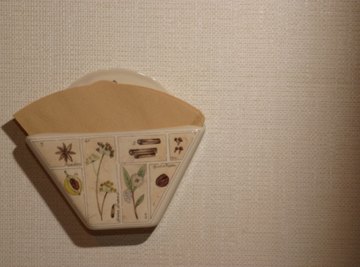
Place a coffee filter over the top of the second jar and secure it with a rubber band. The filter will represent the kidneys that filter the toxins from the blood.
Pour the chalk/water mixture through the coffee filter into the second jar.
Observe how the filter traps the chalk as the colored water drips into the second jar. This helps illustrate how blood circulates through the kidneys, which then trap the toxins before returning the purified blood to the body's circulatory system.
Things You'll Need
References
About the Author
Laurie Rappeport is a writer and blogger with more than 10 years of experience. Her areas of expertise are in education, child development, travel, pets, nutrition and health for Demand Studios and a major travel website. Rappeport holds a Master of Arts degree from Wayne State University.
Photo Credits
Jupiterimages/Photos.com/Getty Images