Annuals Vs. Perennials

Annuals Vs. Perennials thumbnail
Both annuals and perennials have uses in the flower border.

Annuals are plants that live for one growing season. Perennials live from one year to the next. Even if perennials lose their leaves and go dormant in the winter, they grow and bloom the following year. Planting a bed of perennials only has to be done once, while a bed of annuals will have to be replanted each year. Does this Spark an idea?

  1. Cost

    • Since perennials take longer to flower, nurseries and plant growers have to keep them growing for more than a year before they sell them. That extra time means they cost more. A 1-gallon gardenia, for example costs between $6 and $10 as of 2011. A 1-gallon petunia, an annual, costs about $3. Annuals are often sold in flats and in six packs while perennials are not. The seeds of both cost about the same. Choose a few perennials, and then fill in the garden bed with annuals that grow and flower quickly.

    Hardiness Zone

    • Since perennials live from year to year, the variety you choose must be adapted to your U.S. Department of Agriculture Plant Hardiness Zone to live through the winter and bloom the next year. That's not a problem with annuals, as they only live for one growing season. With annuals, consider the growing season's length. In lower Hardiness Zones, the growing season is usually shorter. If that's the case where you live, start annuals from seeds about two months before the average date of the last frost in spring. Transplant into the garden when the weather warms up.

    Cool and Warm Season Flowers

    • Certain perennials, such as peonies, need a cold dormancy period. Others, such as canna, won't tolerate cold weather. Choose perennials that do well in your area. Hydrangeas need moist soil and cool temperatures. Some annuals grow better in cooler weather before the summer heat arrives. They're called cool-season annuals and include pansies, snapdragons and stock. Other annuals thrive when the daytime temperatures are 80 degrees and above. These are warm-season annuals and include marigolds and zinnias.

    Fruits

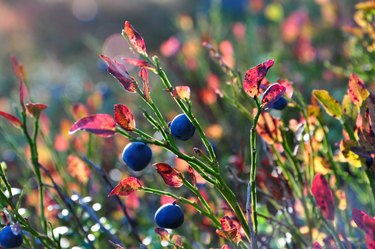
    • Most fruits are perennials. Although strawberries will bear fruit the first year, most other perennials, such as raspberries and blackberries, provide a better harvest after the second year. Fruits that are annuals include watermelons, cantaloupes and other melons.

    Vegetables

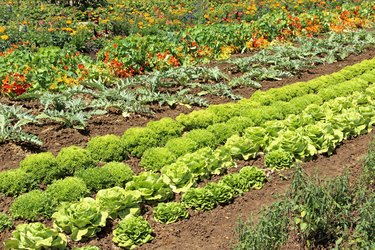
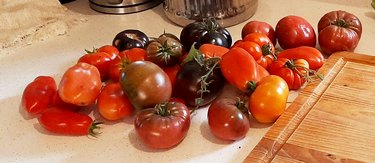
    • Asparagus, tomatoes and artichoke are all perennial vegetables. Tomatoes are frost tender and won't live from year to year in colder climates. Other than tomatoes, these vegetables take a year or so to get established and shouldn't be harvested until after the second year. Most vegetables are annuals. Even in warm climates, they start die in the fall. Cool season annual vegetables include leafy greens, lettuces, peas, cabbage and broccoli. Warm season annual vegetables include corn, beans and peppers.

Related Searches:

References

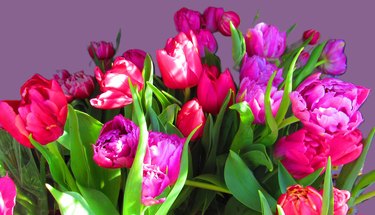
  • Photo Credit Flower garden image by MAXFX from Fotolia.com

Comments

You May Also Like

  • Perennial vs. Annual Flowers

    Plants and flowers fall into one of two categories: perennials or annuals. Perennial plants will bloom, die back, go dormant and return...

  • Annual Plants Vs. Perennials

    Choosing annual versus perennial flowers is a matter of deciding what you want from your garden. By combining varieties and species of...

  • Perennials Versus Annuals

    Perennials and annuals play important roles in the flower garden. Select a variety of both types to maximize flower color and variety...

  • Annuals & Perennials

    When planning your garden, an important factor is understanding the difference between annual and perennial plants. While both types of plant have...

  • Annual Plants vs. Perennial

    Many plants are considered either annuals or perennials. Both types serve a function in the landscape and garden. Each has a different...

  • Are Watermelon Perennials?

    Watermelon (Citrullus lanatus) is a large vine vegetable grown throughout the United States. Indeed, the vegetable constitutes an important cash crop in...

  • What Vegetables Are Perennials?

    What Vegetables Are Perennials?. Perennial vegetables are those vegetable that grow back for at least two or more seasons. Most vegetables are...

  • Difference in Perennials & Annuals

    A combination of annuals and perennials in a flower garden lends flexibility and provides blooms in the yard throughout most, if not...

  • Do Snapdragons Bloom Every Year?

    Snapdragons are annual flowering plants that live for a single growing season. It is possible to produce snapdragon blooms every year in...

  • Why Do Deciduous Trees Lose Their Leaves in Winter?

    Unlike evergreen trees, deciduous trees -- like oak, hickory, beech and birch -- drop their leaves in autumn. As winter approaches, leaves...

  • Perennials and Annuals: Differences

    Because perennials and annuals offer various advantages, you can plant them together to reap the benefits of both in your garden. Perennials...

  • When to Move Raspberry Plants?

    A delicious and nutritious crop of raspberries can last the whole year by freezing and making preserves, jams and jellies. However, you...

  • Are Hydrangeas Perennials or Annuals?

    Hydrangeas are a family of shrub plants that are native to Japan. Known for large bunches of flowers, in a wide assortment...

  • Flowers: Annuals & Perennials

    No garden or landscape would be complete without the color, texture and fragrance that annuals and perennials provide. Unlike perennials, which live...

  • Examples of Perennials

    Examples of Perennials. Perennials are plants that grow, flower, reseed and continue producing leaves and flowers for several years. They die back...

  • Cross-Pollination of Watermelons & Cantaloupes

    One of the unsubstantiated pieces of folklore in gardening is that watermelons and cantaloupes cross-pollinate, creating unsatisfactory melon fruits with ...

Related Ads

Featured