Science Lesson Plans on Magnets

Science Lesson Plans on Magnets thumbnail
Science Lesson Plans on Magnets

Magnets are generally studied in elementary school, beginning in first or second grade, with a study of how magnets work. Older students study more details of magnetism, such as electromagnetism and the earth's magnetic field. Children are often fascinated by magnets, and there are a number of lessons on that will allow students to explore the properties of magnetism and basic science methodology.

  1. What do Magnets Attract

    • Magnets are attracted to various metals. You can demonstrate this in a lesson plan that allows younger children to explore magnetism for themselves. Divide the children into pairs or groups, depending on how many materials you have. Give each pair or group a bar magnet, a neodymium magnet and a variety of materials to test for magnetism. These could include paper clips, nails, pennies, minerals such as hematite and quartz, a dollar bill, wood, plastic and an old CD or DVD. Students then test each material and write down which are attracted to the magnets. Discuss what conclusions the students can draw from their research.

    Opposites Attract

    • This magnet lesson plan is most appropriate for third grade students. This lesson demonstrates that opposite poles of magnets attract, while like poles repel each other. Children can work in pairs or individually. Give each child or pair two or more ring magnets, a pencil and some clay. Students can make predictions about what will happen when they place the magnets over the pencil. Have the students poke their pencil into a bit of clay, so the pencil is sticking straight up. Students should experiment with different ways to place both magnets over the pencil. When the magnets are stacked so that two like poles face each other, the top magnet will float. Allow students to experiment by moving the magnet, for example by pushing on the top magnet to make it bounce, and then discuss why this happens.

    Iron in my Cereal

    • In this magnet lesson plan, children discover a way to use magnets to find tiny bits of iron. This lesson is most appropriate for students in the second and third grades. Discuss with students the types of materials that magnets are attracted to, and where these materials can be found. Have the children place some iron-fortified cereal into a Ziploc plastic bag, zip it shut and crush the cereal with their hands or a rolling pin. Children pour the cereal into a bowl and mix it with water to make a slurry. Children then place a bar magnet into a plastic bag and drag it very slowly through the cereal slurry. Tiny bits of iron in the cereal should stick to the plastic bag--attracted by the magnet.

    Magnet Strength

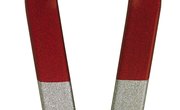
    • This magnetism lesson plan is most appropriate for children in the first or second grades, and allows children to use scientific methods to test how strong a magnet is. Each student should be given a few different types of magnets, such as a bar magnet, a neodymium magnet, a horseshoe magnet and a ring magnet. Students can then test the magnets to see how many paper clips each magnet will pick up in a chain, and how many will stick to each magnet. Students can place tape or plastic over the magnet to see if this affects the number of paper clips it can pick up. Discuss with the students what conclusions they can draw from their experiments--can they tell which type of magnet is the strongest?

Related Searches:

References

  • Photo Credit Jupiterimages/Creatas/Getty Images

Comments

You May Also Like

  • Narrative Writing Lesson Plans 3rd Grade

    Narrative writing teaches students to organize their thoughts concerning a certain event and to describe that event to others in story form....

  • First Grade Science Lesson Plan

    One of the national science standards for first graders is in the area of "Life Science" and concerns understanding the characteristics and...

  • Kindergarten Science Lessons on Magnets

    When you teach science with hands-on lessons, kindergarten students can see, touch, hear and experience the wonders of science. Because magnets involve...

  • First Grade Reading Lesson Plans

    It is exciting to teach first-grade reading lessons and observe your students develop the skills they need to progress from non-readers to...

  • Alphabet Lesson Plans for Toddlers

    Alphabet Lesson Plans for Toddlers. Learning the alphabet is an important step for toddlers, and knowing the letters and their sounds is...

  • Grade 6 Lesson Plan

    Sixth grade lesson plans are used by teachers in public school, private schools and home school parents to establish a teaching outline....

  • Kindergarten Magnet Activities

    Magnets are fun for adults as well as children. For kindergarten students learning about magnetic pull, magnets offer endless opportunities for activities...

  • St. Patrick's Day Lesson Plan & Activities

    Incorporating a little green into your lesson plans for St. Patrick's Day might provide a memorable lesson for students. Holidays are difficult...

  • How to Create a Lesson Plan for Elementary School

    Any teacher can tell you that sometimes the best-laid plans fall flat, while the impromptu, spur-of-the-moment lessons can cause that magical moment...

  • What Subjects Do Second-Graders Cover?

    Second-graders are usually between the ages of seven and eight. By this time, most second-graders are familiar with basic mathematics, can read...

  • Free Pre-K Lesson Plans & Activities

    Use the Internet to find hundreds of free lesson plans and activities for your pre-kindergarten classroom. Find free activities and lesson plans...

  • Ideas for 3rd Grade Centers

    Centers provide your third-grade pupils with open-ended activities and valuable learning opportunities. Take the time to organize a variety of centers in...

  • Third Grade Space Activities

    As evidenced by the NASA StarChild website maintained solely for the education of children, our national space administration feels that the nation's...

  • Third Grade Measurement Lesson Plans

    Rulers refer to long flat instruments used for measuring things. Although rulers used in the United States commonly display measurements in both...

  • Early Childhood Lesson Plan Ideas

    Early childhood education is growing in popularity for preschool-aged children. Many parents send their children to preschool classes to prepare them for...

  • Earth Day Lesson Plan Ideas for First Grade

    Earth Day was created to celebrate the world and all it offers. The day is also used to teach children and adults...

  • Third Grade Lessons on Ideas on Earth Science

    It may be difficult to explain certain ideas about Earth science to kids as young as third graders, but you can help...

  • Science Projects With an Independent & Dependent Variable

    Measure the amount of iron in different cereals for an interesting project. breakfast cereal image by JJAVA from Fotolia.com

  • First Grade Lesson Plans on Chicks

    First grade is an appropriate time to begin teaching about life cycles and where living things come from. One of the most...

  • Interactive Science Lesson Plans

    The National Science Education Standards promote interactive science lessons for the classroom so students have authentic research experience. This research ...

Related Ads

Featured