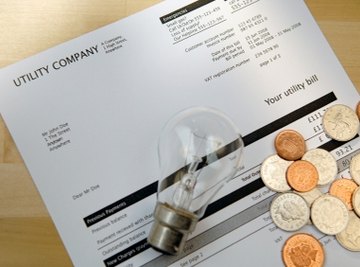
If sky high power bills have you thinking about ways to reduce your electricity consumption, you may be pleased to learn that you can cut back without affecting your standard of living. If you become aware of your energy usage and evaluate the areas of your home where electricity is wasted, you can reduce electricity consumption to save money on your monthly power bills and do your part to protect the environment. Read on to learn how to reduce electricity consumption.
- Energy Star appliances
- Compact florescent light bulbs
Use your washing machine, dryer and dishwasher late in the evening to reduce your power bills. Unplug appliances that are not in use to reduce electricity consumption. Use a ceiling fan to circulate air and give your cooling system a break. To learn more about using electricity wisely, see the Resource section below.
Turn the thermostat up in the summer and down in the winter. The energy used to run furnaces and central air conditioning systems makes up the majority of all energy usage for the typical American household. Keep your thermostat set at 78 degrees in the summer and 70 degrees in the winter to reduce electricity consumption and keep your home at a comfortable temperature year-round.
Inspect your home’s insulation. Poorly insulated exterior walls and crawlspaces allow warm and cool air to escape from the dwelling causing your furnace or air conditioner to work harder to maintain a comfortable temperature in the home. If you think that your home needs better insulation, hire a qualified professional to assess the problem areas and offer affordable solutions to help keep your home warm in the winter and cool in the summer.
Replace outdated appliances with new energy efficient models. Appliances carrying the Energy Star label run 75 percent more efficiently than appliances manufactured even a few years ago. Some electric companies will even give homeowners a discount on their power bills just for using appliances that require less electricity to operate.
Turn it off if it’s not in use. Leaving the lights or television on when no one is in the room wastes electricity and contributes to higher power bills. If you’re going to be out of the room for more than 15 minutes, turn everything off to reduce electricity consumption.
Replace incandescent light bulbs with new compact florescent bulbs. Florescent bulbs use less energy, burn brighter and last longer than standard bulbs. Though compact florescent bulbs cost more than standard light bulbs, using them can reduce electricity consumption and lower your power bills over time.
Things You'll Need
Tips
Tips
- Use your washing machine, dryer and dishwasher late in the evening to reduce your power bills.
- Unplug appliances that are not in use to reduce electricity consumption.
- Use a ceiling fan to circulate air and give your cooling system a break.
- To learn more about using electricity wisely, see the Resource section below.
About the Author
Bree Johnson began writing professionally in 2004, penning articles for Internet SEO companies before breaking into copywriting in 2008. Since then, she has written ad copy for some of the world's most lucrative Halloween costume retailers, including Halloween Adventure and New York Costumes. Johnson majored in medical sonography at Forsyth Technical Community College and real estate while living in Myrtle Beach, S.C.