Elementary Art Education Lessons

Elementary Art Education Lessons thumbnail
Turn your students' paintings into museum-worthy art.

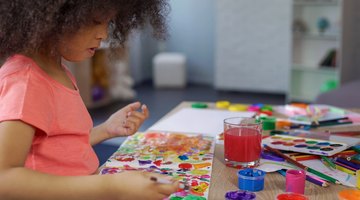
Elementary students are just developing as artists. Studying and imitating well-known artists exercises their creative young minds. Whether using painted paper or paint-covered cotton swabs, adapting famous styles will turn your classroom into an art studio. Kindergarten to 5th-grade students can achieve frame-worthy art inspired by the best of the art world.

  1. Henri Matisse

    • Henri Matisse was a French painter. Near the end of his life, Matisse created a technique that he called "painting with scissors." This brightly colored cut-and-paste art can be adapted for any age. A lesson about Matisse requires lots of construction paper. Encourage students who can effectively handle scissors to cut the paper into nongeometric shapes. Other students can rip the paper as needed. Without using pencils, pens or markers, the paper collage allows students of any age to show their creativity.

    Eric Carle

    • Eric Carle is the well-known illustrator and author of "The Very Hungry Caterpillar" and numerous other books. Carle created his illustrations by cutting his own painted tissue paper. This type of collage works best for 1st- through 5th-grade students. To imitate Carle's style, first make the painted paper. Have students paint large sheets of paper (11 by 17 inches or larger) a solid color. Carle chooses to use watered-down acrylic paint. While the paint is still wet, encourage students to add texture to the paper by using combs, sponges and other tools. Once the paper dries, instruct students to make an animal using the painted paper. Carle's books featured caterpillars and brown bears. The only limitation for your students is their own creativity. As the final step, glue the animal onto a simple white background.

    Georges Seurat

    • Pointillism is a painting technique that creates a realistic image by using layered dots of solid colors. Rather than painting a large area with a broad stroke, pointillism pioneers like Georges Seurat created works of art with dots. On watercolor or another thicker paper stock, instruct students to lightly draw a simple image they want to paint --- suns, flowers and trees are good. The lines should be so faint they can barely be seen. Drawings need to be simple since cotton swabs will create the dots. When preparing this lesson, premix the paint in plastic plates so cotton swabs have a place to rest. When students begin to paint, encourage them to make only dots and take their time. For older students, adding an additional layer in a slightly darker color will add more depth to the painting.

    Jackson Pollock

    • Using unconventional techniques, Jackson Pollock turned art upside-down. He placed his canvas on the floor and flung paint onto it. Creating your own Pollock-making studio requires an outside space against a wall, an old sheet and duct tape. Position the sheet so half of it covers the ground and wall from the flying paint. Add some water to the paint so it will drip easier. Allow students to choose how they want to apply the paint; old toothbrushes, turkey basters, wooden dowels and plastic forks work well. On a sheet of paper placed in the middle of the sheet, let students splatter the paint in whatever way they wish. After the work of art is dry, ask each student to name his work with a number --- just like the iconic artist. For a less messy, electronic way to create your own Pollock-inspired masterpiece, visit the Jackson Pollock website (see Resources).

Related Searches:

References

Resources

  • Photo Credit old gold picture frame image by Paul Hill from Fotolia.com

Comments

You May Also Like

  • Multicultural Art Projects for Elementary Students

    Multicultural Art Projects for Elementary Students. Art in Western society is often seen as existing purely for viewing, but in many cultures...

  • Art Therapy in Elementary Education

    Children can express themselves better through art than words. Crayons and markers are more comfortable when it comes to emotions, much more...

  • Matisse Lesson Plans for Children

    Henri Matisse, a French artist who lived from 1869 to 1954, was one of the most notable painters of the 20th century....

  • Eric Carle's Art Techniques

    Eric Carle is one of the best-known creators of contemporary children's books. He is appreciated as much for his art as he...

  • Cut and Paste Art Projects

    Even if you can't draw, you can create art. Start by cutting out interesting shapes from various colors of construction paper and...

  • Who Was Henri Matisse?

    Henri Matisse was a famous artist from the early twentieth century, part of what is known as the Modern art movement. He...

  • High School Art Lesson Ideas

    High School Art Lesson Ideas. High school art lessons allow students to learn art history, develop creativity and experience personal expression. However,...

  • Tissue Paper Art Activities

    Tissue Paper Art Activities. Tissue paper has been used for wrapping gifts and purchases for years, but it's also a unique art...

  • Elementary Holiday Art Lessons

    Basing art lessons around an upcoming holiday places art in a context that pupils can relate to and enjoy. Holiday-theme art lessons...

  • Watercolor Silhouette Art Lessons

    Watercolor painting can incorporate the technique of painting in silhouette, in which an artist will shape an object by filling it with...

  • Cut & Paste Activities for Kindergarten

    There are many cut-and-paste activities for kindergarten students that explore subjects ranging from math to science. The use of cut-and-paste activities allows...

  • How to Teach Art History to Elementary Students

    Art is a wonderful way for elementary school students to learn to express themselves. In addition to creating art of their own,...

  • Pixel Art Lessons

    A lesson in pixel art, regardless of the students' ages, should include a brief history of art that led to the development...

  • How to Write an Art Lesson Plan for Elementary School

    The freedom of expression granted in the elementary school art classroom is just one reason many kids love this subject. From learning...

  • Art Standards for Elementary Education

    Elementary school art standards help educators meet criteria in the visual arts for young children. Elementary students are budding creatively, and art...

  • 5Th Grade Science Lesson Plan

    If you are a fifth grade teacher, substitute teacher, or homeschooling mom, you may be looking for a science lesson plan. The...

  • First Grade Spring Art Lessons

    Spring presents new opportunities to inspire young students to create imaginative works of art. In the primary grades, students are learning how...

  • Special Education Art Lessons

    Special Education Art Lessons. Using art in the classroom can help children with special needs to communicate their emotions, to develop a...

Related Ads

Featured