Animals That Breathe Through the Skin

Animals That Breathe Through the Skin thumbnail
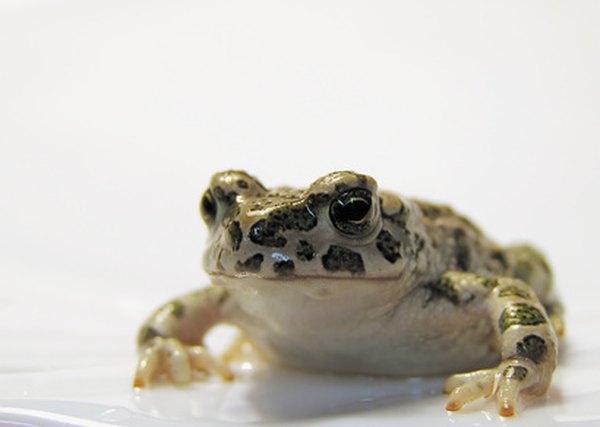
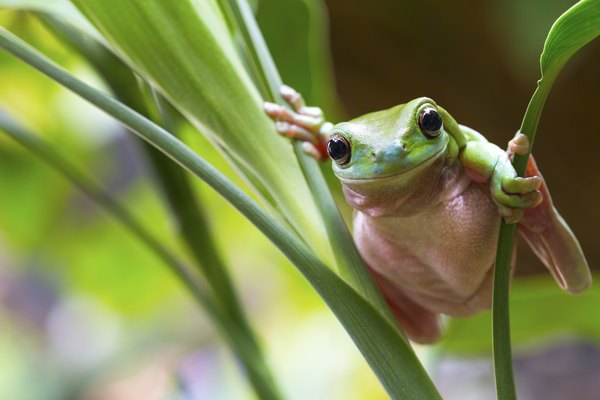
Frogs have skins that are thin enough to allow gases to pass through the skin.

A selection of animals which live on land have a skin thin enough for gases to pass through. These animals are capable of breathing through their permeable skin, which needs to remain moist. Both earthworms and amphibians, such as frogs, breathe through their skin. Earthworms remain below ground in the moist soil, while amphibians live in or near water. Animals that can breathe through their skin possess moist skin and have tiny blood vessels or capillaries that lie close their skin surface. These tiny vessels transport oxygen to their various tissues and carry carbon dioxide to the outer skin layer.

  1. Amphibians in General

    • The thin, permeable skin of amphibians lacks the protective layer of feathers, fur or scales. These creatures, however, are able to breath through the entire surface of their bodies. Specific species, such as the lungless salamanders, lack the primitive lungs that other amphibians have and breathe exclusively through their skin. Amphibians also absorb water through their skin and do not need to drink. In areas where water is scarce, amphibians are able to simply absorb any moisture that is contained within the soil.

    Frogs and Toads

    • The ancestors of present day amphibians appeared on earth at least 190 million years ago and looked very similar to our modern species. Frogs can be found in a surprising number of climates, including deserts and the Arctic. Although typically creatures of warm and moist tropical climates, frogs have adapted to the harsh environments of mountain slopes and deserts. The Australian water-holding frog burrows underground and protects itself in a transparent cocoon of its own shed skin. This frog is able to survive for up to seven years while waiting for rain. Although toads are in effect frogs, they posses a number of physical characteristics that true frogs do not exhibit. These include stocky bodies, short hind legs and a dry, warty skin.

    Salamanders

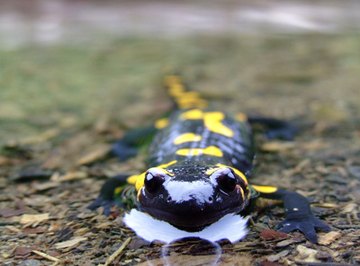
    • These amphibians, which are frequently mistaken for lizards, have soft, moist skin covering their entire bodies and tail. Salamander larvae are very similar to frog tadpoles, but their heads are not as prominent and they possess a feather-like gill structure on the sides of their neck. Salamanders and their larvae prey on insects and small invertebrates, such as fish and frogs. These secretive, small creatures are principally active at night and remain hidden under fallen logs and within moist leaf litter during the day. Salamander larvae begin preying on small aquatic creatures immediately after hatching.

    Earthworms

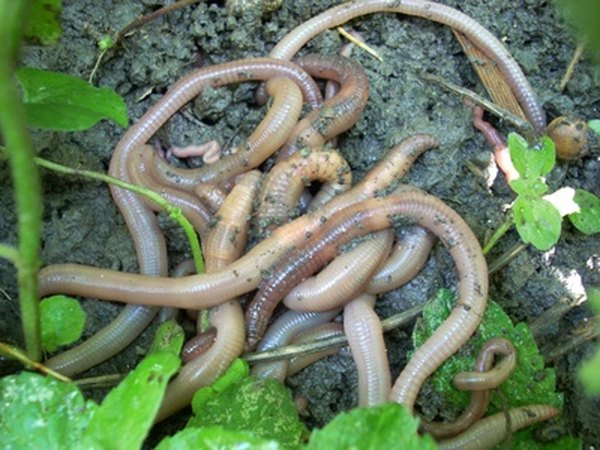
    • Although indigenous to Europe, this reddish-colored worm is common in North America, where it is termed a night crawler. The bodies of these creatures are composed of segments that are covered in short bristles and which assist the worm to move through its burrows. Via their metabolic waste, earthworms transport nutrients and minerals from within the ground, to the surface, while their tunnels aerate the ground. Each earthworm has sex organs of both male and female and is capable of replacing lost segments.

Related Searches:

References

Resources

  • Photo Credit frog on a hand - black-eyed tree frog sitting on a hand image by Christophe Fouquin from Fotolia.com amphibian image by ivan kmit from Fotolia.com toad image by Marek Kosmal from Fotolia.com salamander image by Wojciech Gajda from Fotolia.com Earthworms image by Ana Dudnic from Fotolia.com

Comments

You May Also Like

  • Animals That Use Lungs for Breathing

    Animals That Use Lungs for Breathing. Terrestrial animals such as mammals, birds, amphibians and reptiles breathe with lungs. All organisms require energy...

  • How to Relieve Moist Itchy Skin

    Moist, itchy skin is a common symptom of jock itch, a fungal infection of the skin that occurs in warm, moist areas...

  • How to Detox Your Body through the Skin

    If drinking a detox diet solution is not a good choice for body detoxification there are ways to detox your body through...

  • Information on Frog Skins

    Every animal's skin serves to keep it warm, protect it from the elements and protect muscles and blood vessels from injury. The...

  • How Do Frogs Breathe?

    Frogs have lungs and breathe through their nostrils for most of their oxygen, but they can also receive oxygen and water through...

  • Information About Animals

    The world would be a much quieter place without animals. But we wouldn't know that, since we wouldn't be around. Yes, humans...

  • Difference Between Land Animals & Sea Animals

    Most marine animals descended from land and possess qualities that evolved slowly over time. From habitat to adaptations, land and sea dwelling...

  • Why Don't Dolphins Have Gills?

    Dolphins are members of the whale family, classified as toothed whales. People do not generally lump dolphins in with the much larger...

  • What are the Differences Between Reptiles, Amphibians and Mammals?

    Many know that mammals (including humans) grow hair, differentiating them from other types in the animal world. External variations in skin type...

  • Moist Pyoderma in Dogs

    Hot spots, or moist pyoderma, can arise unexpectedly and quickly on your dog's skin. It is marked by red and painful spots...

  • Types of Burrowing Animals

    Animals burrow for a variety of reasons, such as nesting, hibernation, food supply and warmth. Some animals even take advantage of burrows...

  • How to Keep a Mouth Moist During Speaking

    Public speaking anxiety does not only present psychological challenges to a person's confidence, but it may also manifest in physical obstacles such...

  • How Do Geckos Breathe?

    If you live in Florida or any other warm climate, chances are you've come across a gecko, a small lizard that can...

  • Endangered Animals That Live in the U.S.

    Animals are multicellular creatures made up of eukaryote cells. These beings can range from mammals to insects. All animals are part of...

  • External Respiration Definition

    External respiration is the process by which all living things exchange oxygen and carbon dioxide with their environments and is commonly known...

  • Earthworms Facts

    Earthworms are invertebrate creatures that live mostly underground, where conditions are cool and moist. Their body has no skeletal structure. Instead, it...

  • How Do Turtles Breathe Under Water?

    Actually, turtles cannot breathe underwater in the sense that we would call breathing. That is, the taking in of oxygen through inhalation...

  • Animals That Can Walk on Land & Live in Water

    There are a number of animals that live in the water but are able to walk on land. Many of these animals...

  • How to Cure Pet Bad Breath

    It's hard to cuddle with an animal that has bad breath. Getting too close causes us to inhale foul, unpleasant odors. There...

  • Marine Animals That Eat Plants

    Many marine animals are not vegetarians. Animals such as dolphin, shark, rays, polar bears and seals are almost exclusively predatory hunters. Herbivorous...

Related Ads

Featured