
A standard homeowners insurance policy will cover all damage expenses if an automobile, airplane or train crashes into your home, but your actual vehicle is not protected while inside your garage or parked in your driveway. For automobile coverage in the event of a natural disaster, fire or other similar peril, you need an auto insurance policy that includes comprehensive coverage.
Comprehensive Coverage
Just like a standard homeowners policy, comprehensive auto insurance protects your vehicle against the types of perils that would cause damage to a home, such as fire, theft, vandalism or natural disasters like tornadoes, earthquakes or hail. In fact, your vehicle's coverage options are far more extensive than your standard homeowners insurance which excludes coverage for flood, earthquake or tornado damage.The reason for this is that most cars can be replaced and repaired more easily and affordably than a home. Keep in mind that comprehensive is not mandated by state law, but it may be a requirement of your bank lender if your car is leased or financed.
Auto Liability
Whether you are at home, at the bank or at a golf course in Scotland, a standard homeowner's insurance policy will cover you if you accidentally injure another person. However, if your car is involved in the accident, only an auto insurance liability policy will cover third party injuries or property damage expenses. If you have a lot of assets and are worried about being sued, you can upgrade to an umbrella policy, which pays the difference if you exceed the limits of both your home and auto insurance liability claims.
Garage Damage
While your vehicle may not be covered by a standard homeowners policy, the garage you keep it in is protected, even if the garage structure is located away from the property. To cover single garages, sheds and other adjacent structures, make sure to purchase a homeowners insurance policy that includes "Coverage B," which includes your entire property. With "Coverage A," your policy will only cover garages that are part of your home.
Other Types of Vehicles
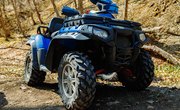
Some standard homeowners insurance policies will protect your all-terrain vehicle while it is stored in your garage, but not while you are using it off the property. For other vehicles, such as motorcycles, off-road vehicles and boats, you will need auto or boat insurance. Check with your individual insurer for details.
References
- Insure: Home Insurance Exclusions - What Your Policy Won't Cover
- AARP; Does Homeowners Insurance Cover That?; Donna Fuscaldo
- Auto Insurance: What's Covered by a Basic Policy?
- Bankrate: ABCs of Your Homeowners Insurance Policy
- Marketwatch: Protect Your Holiday Gifts With Insurance; Marshall Loeb
- National Fire Protection Association. "Home Structure Fires." Accessed Sept. 24, 2020.
- Progressive. "Does insurance Cover Fire Damage?" Accessed Sept. 24, 2020.
- Insurance Information Institute. "A Vacant Home Still Needs Insurance—Don't Be Caught Without Coverage." Accessed Sept. 24, 2020.
Writer Bio
Leah Waldron is the head of Traveler Services at First Abroad, a gap year travel company based in Boston and London. As a travel, research and LGBT news writer, Waldron has publication credit on magazines and newspapers including "Curve Magazine," "USA Today," "The Sun Sentinel" and the "The Houston Chronicle." Waldron has a bachelor's and master's degree in creative writing from Florida State University.