Types of Raffinose Sugar

Types of Raffinose Sugar thumbnail
Beans contain high levels of raffinose.

The carbohydrate raffinose belongs to a larger family of sugars and starches. Raffinose contains three mono-saccharides parts, which makes it an oligosaccharide, a term reserved for all carbohydrates with three or more mono-saccharides. Known scientifically as substances like glucose and fructose, mono-saccharides commonly get called simple sugars. Raffinose, because it contains three mono-saccharides units, breaks down into simple sugars under the right conditions. Does this Spark an idea?

  1. Sources of Raffinose

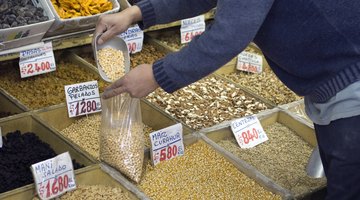
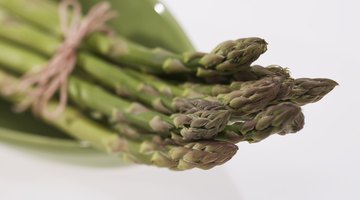
    • Found in a wide variety of carbohydrate-rich vegetables, raffinose provides the majority of the energy-giving substance in beans, peas and lentils. It's also found in some cereal grains such as wheat and rye. Green leafy vegetables like cabbage, asparagus, artichokes, Brussels sprouts and broccoli contain raffinose, as do onions and mushrooms in smaller amounts. Even non-edible plants such as yew manufacture raffinose in their leaves and stem.

    Raffinose and Yeast

    • Yeast uses the energy from carbohydrates to reproduce, leaving behind simple sugars and carbon dioxide. Grains contain high levels of raffinose. The yeast in a bread recipe breaks down the raffinose in the wheat, leaving behind carbon dioxide gasses that cause the bread to rise and enough sugar to give the loaf a brown crust or the ability to toast to a golden brown. The more yeast in a loaf of bread, the higher the concentration of sugar. Thanks to raffinose, light, fluffy bread tastes sweeter and toasts better than heavier, denser loaves.

    The Raffinose Taste Test

    • Closely related to sugar, raffinose tastes sweet but not as sweet as sugar. Pure raffinose tastes about 30 percent as sweet as mono-saccharides or simple sugars. This means that raffinose produces a sweet taste, but it takes more raffinose to get the same flavor. A recipe using raffinose requires roughly three and a half times the amount of raffinose to equal the flavor of sugar.

    Raffinose and Digestion

    • Considered an indigestible carbohydrate, raffinose goes through the digestive system unused. This helps anyone counting calories or carbohydrates. High levels of raffinose impart the flavor of sugar without affecting insulin production or calorie count. Many low-carbohydrate foods contain raffinose. However, yeast breaks down raffinose and the human digestive tract naturally contains yeast, especially in the large intestine. This creates carbon dioxide bubbles in the large intestine, leading to bloating, gas pain and flatulence.

Related Searches:

References

  • Photo Credit beans image by chrisharvey from Fotolia.com

Comments

You May Also Like

  • Foods to Avoid for Intestinal Gas

    Foods to Avoid for Intestinal Gas. Everyone experiences intestinal gas to some degree, which they then expel. However, some people experience discomfort...

  • How to Treat Gas in the Digestive Tract

    Having gas is common and a normal function of the human body. According to the National Digestive Diseases Information Clearinghouse, an average...

  • Which Fruits & Vegetables Are Gassy?

    Which Fruits & Vegetables Are Gassy?. If you're experiencing gas, bloating, and related discomfort, then it could be because of something you're...

  • Foods That Produce Flatulence

    Beans contain the sugar raffinose, which causes flatulence. White beans image by Tasha from Fotolia.com

  • List of Foods That Make Gas in Humans

    List of Foods That Make Gas in Humans. Bacteria and air in the large intestines cause gas while it breaks down food....

  • Types of Sugar-free Foods

    Types of Sugar-free Foods. Sugar-free foods are popular with dieters and necessary for diabetics. Many products are available to make sugar-free foods,...

  • Foods That Promote Intestinal Gas

    Foods That Promote Intestinal Gas. The average individual produces up to 4 pints of gas each day and may pass gas more...

  • What Foods Cause Malodorous Intestinal Gas?

    What Foods Cause Malodorous Intestinal Gas?. Malodorous intestinal gas is naturally occurring, but because of its harsh odor, it can be embarrassing...

  • How to Treat Excessive Gas

    Passing gas may be embarrassing, but the National Digestive Diseases Information Clearinghouse (NDDIC) reports that it is normal to pass gas 14...

  • Do Pearls Grow Better in Fresh or Salt Water

    Pearls are produced when mollusks secrete nacre to coat an irritant inside their shells. Pearls grow bigger and faster in salt water,...

  • How to Sell Sugar Gliders

    If you are native to the northern hemisphere or anywhere else other than Australia, you probably aren’t familiar with the sugar glider....

  • Intestinal Gas Problems

    Although intestinal gas is a natural part of digestion, an abundance of gas can be uncomfortable and embarrassing. According to MayoClinic.com, intestinal...

  • Foods That Cause Gas in a 10 Month Old Baby

    Babies experience excessive gas from the time of birth and throughout their young lives. The digestive systems in infants and babies takes...

  • Vegetables That Cause Bloating & Gas

    Vegetables That Cause Bloating & Gas. Bloating is typically caused by air trapped in the small intestine or the colon. The intestines...

  • Caster Sugar Substitutes

    Caster Sugar Substitutes. A fair number of recipes call for the use of caster sugar, including meringues, ice cream, breads, savory pancakes...

  • Foods That Prevent Bloating

    Foods That Prevent Bloating. Bloating, a symptom of excess gas built up in the digestive tract, can be uncomfortable and embarrassing. While...

  • What Are the Properties of Carbohydrates?

    What Are the Properties of Carbohydrates?. A carbohydrates are defined as "a biological compound containing carbon, hydrogen and oxygen" and are an...

  • Foods That Produce Gas in the Stomach

    Foods high in starch, such as pasta, can create excess gas in the stomach. Pasta image by Yvonne Bogdanski from Fotolia.com

  • Foods to Avoid That Make You Bloated

    There's no rhyme and little reason to foods that can make you feel bloated. The culprits aren't just greasy fast foods like...

Related Ads

Know Your Knives: Josh Ozersky’s Comprehensive Guide

I have a lot of knives. You probably do too. I really don’t know what to do with them all. There’s a Chinese cleaver, aï؟½

Featured