The History of the Lowrider Car
by Johnno CaryUpdated August 06, 2023
The lowrider car is as much about culture and lifestyle as it is about the automobile itself. A culture originating with returning U.S. servicemen after World War II, the lowrider evolved from a driving necessity to a lifestyle statement. Although, for many years, it garnered negative reactions in the automobile collecting community, a pristine lowrider today commands top dollar, not only for its quality but for what it represents in the community it came from.
Origins

The history of lowriders originated in South and East Los Angeles, California shortly after the end of World War II. Latino and chicano men who joined the military returned with new skills, but it was an era of few jobs for the chicano community and fewer cars. Many war veterans opened garages in southern California, especially in East L.A. to accommodate the influx of old cars for repair and custom work.
Early Lowriders
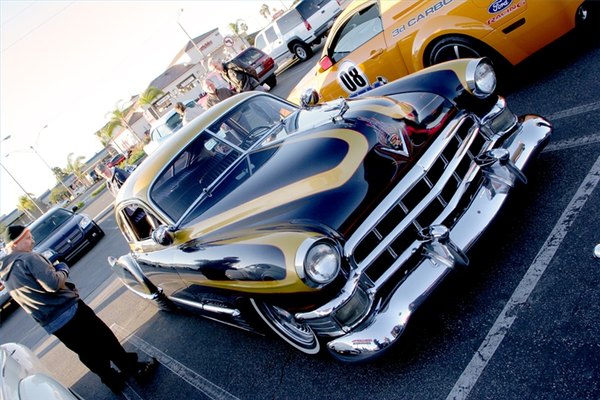
The first lowrider cars were often prewar Ford and Chevrolet coupes because they were cheap to buy. By the late 1950s, the 1949 Mercury, popularized by James Dean in "Rebel Without a Cause," was the custom car of choice for most car clubs in the lowrider community. Others included the Oldsmobile Rocket 88 and early postwar Plymouth and Chevrolet coupes.
How It's Done
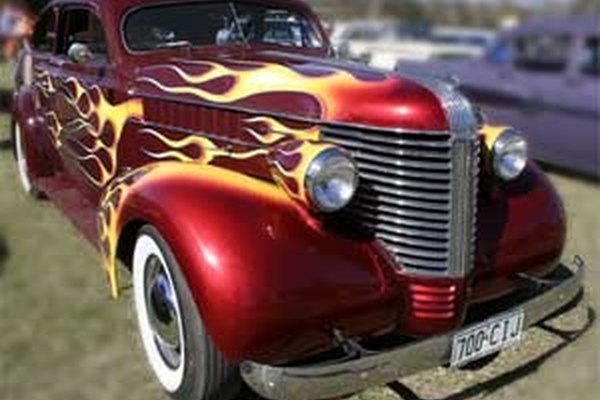
Typically, a lowrider is chopped and channeled to give it a lower profile with its rear end virtually dragging on the pavement. The pillars supporting the roof can be chopped as much as 4 inches to lower the roofline. The car is also channeled by lowering the body over the chassis and raising the floor. An adjustable suspension hydraulic system is installed to control height. Elaborate metallic paint schemes and murals featuring Aztec themes, buxom women or the Mexican flag are prominent on exterior. The look is also accented with thin whitewall tires, custom upholstery and gaudy, sometimes spinning, rims, as well as powerful speakers for hip-hop music.
What It Means

For a lowrider, it was all about looks and cruising local boulevards. The lowrider culture was an extension of the fashion sense of the Mexican-American communities in barrios. Unlike hotrods, lowriders are meant to be driven slowly and shown off like in a car show rather than be raced. First Zoot Suits, and later baggy khakis, white T-shirt, chained key fob, bandana and a pretty girl in the passenger seat complemented the lowrider look. The lowrider was an expression of cultural, if not civic, pride.
Ruelas Brothers

What Richard Petty was to NASCAR, the brothers Julio, Fernando, Oscar, Ernesto and Rene Ochoa were to the lowrider movement. They operated Ruelas Custom, a lowrider garage in South Los Angeles. In 1962, they formed the Dukes So. Cal., a lowrider club that grew to 29 chapters. The club cemented the concept of socializing, dances, cruising and shared love of the lowrider car and lifestyle.
New Era

Each new generation brings new cars to the lowrider fold. First-generation lowriders favor the 1940s and 1950s models while their offspring prefer the 1964 Chevy Impala. Second- and third-generation lowriders also have drifted toward Chevy Monte Carlos, Corvettes, Cadillacs, Olds Cutlass Supremes and Buick Regals. Attention is paid to elaborate sound systems and hydraulic lifters for jumping contests.
Influence
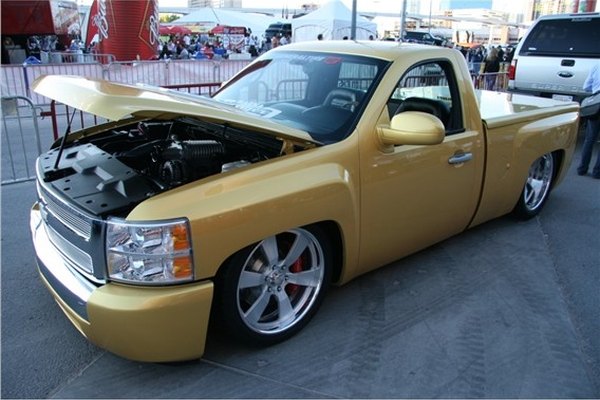
By the 1970s, the lowrider concept had influenced other car enthusiasts in ethnic communities, mostly with teens who adopted the lowrider car culture in various styles, makes and models to reflect their own cultural identity and image. By the late 1980s, lowrider Hondas, Toyotas, Nissans and Acuras were as plentiful as the iconic Chevy Impala.


