Description of TFT LCD Microscopic Architecture

Description of TFT LCD Microscopic Architecture thumbnail
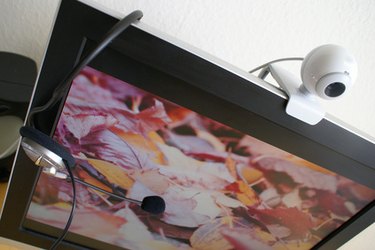
Microscopic pixels make up an LCD display.

Many of the flat screens on the market are thin-film transistor liquid crystal display screens. The architecture of these screens consists of multiple layers that fulfill different functions on a microscopic level. The screens have to generate light, control the amount of light that reaches the viewer, control the color of the light and be able to switch quickly to show rapidly changing images. Different layers carry out these various functions.

  1. Backlight

    • The screen layer furthest toward the back of the screen has to generate the light for the display. This layer is called the back-light layer and either has LEDs or cold-cathode fluorescent bulbs. If the screen uses LEDs, they are either located directly behind the screen or along the sides, with the light passing through light guides to evenly illuminate the back. If the screen uses fluorescent bulbs, these are tubes located right behind the other layers.

    TFT Panel

    • The TFT layer is a microscopically thin layer that is transparent and holds the transistors that control the liquid crystals. It is located in front of the back-light layer. Each screen pixel has three transistors allocated to it, one for controlling each of the red, green and blue colors. For the common screen resolution of 72 dots per inch, a pixel is 1/72 of an inch, or 0.014 inches wide. Each transistor applies a variable voltage of about 2 volts to the tiny region of liquid crystals in the layer directly in front of it.

    Liquid Crystals

    • When the transistor behind the layer of liquid crystals changes its voltage, the liquid crystals in front of the transistor change the way they polarize the light coming from the back-light layer. These changes affect one-third of a pixel or liquid crystals 0.005 inches across. The display at this layer consists of microscopic pixels, each polarized slightly differently, depending on the signal the liquid crystals receive from their transistors.

    Color Panel

    • In front of the liquid crystal layer is a panel that converts the white light passing through the liquid crystals into red, green or blue light. The white light from each pixel, made up of three sections with three controlling transistors, passes through a red, green or blue filter. When it leaves the color panel, the display has thousands of microscopic dots representing one-third of a pixel, polarized differently and in red, green or blue light.

    Polarizing Filter

    • The polarizing filter creates the image of the display. The light of a particular pixel has red, green and blue components polarized according to the strength of the signals applied by its transistors. The polarizing filter only lets through light polarized in a particular direction. It therefore lets different amounts of red, green or blue light through, depending on the polarization of the color component. Each microscopic pixel receives parts of the red, green and blue light components and takes on the shade resulting from the combination of these primary colors. The image of the display consists of the thousands of microscopic pixels making up the picture.

Related Searches:

References

  • Photo Credit Comstock/Comstock/Getty Images

Comments

Related Ads

Featured