

Corrosion When Connecting Stainless Steel With Galvanized Steel

When two different metals come in contact with each other, there exists a potential for corrosion. This corrosion, otherwise know as galvanic corrosion or dissimilar metals corrosion, is an electro-chemical process by which stray ions migrate between the two metals. The corrosion process is accelerated in instances where moisture is present, as with water pipes, on boats or in humid environments. Galvanized steel and stainless steel are dissimilar metals in that stainless steel contains chromium.
Examples
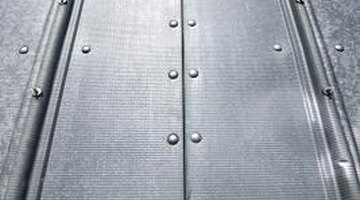

Dissimilar metals corrosion happens at varying degrees based on a couple of variables. Differences in the molecular makeup of the metals and the level of moisture and humidity both play large roles. The two separate metals will be either more anodic or cathodic than each other. Greater differences between the metals will cause accelerated and more dramatic corrosion. For instance, gold and silver are very close together on the anodic index, and therefore ionic migration resulting in corrosion between them would be comparatively minor. In contrast, copper and iron are more dissimilar and therefore corrosion in the same environment would be greater. Salinity levels of water make a difference as well. Boats in saltier sea water have more corrosion problems than their fresh water counterparts.
Prevention
The most common process for preventing dissimilar metals corrosion is to prevent the metals from touching, otherwise known as "insulating". Plumbers install dielectric unions when connecting dissimilar metals such as copper and galvanized piping. Dielectric couplings contain a plastic or rubber spacer which mechanically prevent the pipes from touching. Decades of humid and salty offshore winds caused dangerous corrosion between the iron support structure and the copper skin on the Statue of Liberty. Engineers installed high density plastic insulators between the dissimilar metals to curb future problems.
Metals Selection
In instances where metals can be selected for an intended purpose, charts and lists compare compatibility of dissimilar metals. The Galvanic Corrosion chart lists and compares molecular properties of dissimilar metals for the purpose of material selection. Each metal is given a numeric value. The environment in which the metals are used dictates how numerically different the values can be and how effectively corrosion can be prevented. A dry, air conditioned office is a more forgiving environment for dissimilar metals than the bottom of a boat.
Batteries

Ionic migration between dissimilar metals actually has positive uses as well. Common household batteries use highly dissimilar metals, an electrolyte -- similar to salty water -- and ion migration to create and store electrical charge and electron flow that is used to power flashlights, radios and other everyday items.
References
Writer Bio
David Hamrich has been writing professionally since 2008, drawing on more than 15 years of experience as a marketing and engineering contractor and consultant. He is a certified irrigation contractor and consultant in the southwest United States. Hamrich has degrees in industrial engineering and applied environmental conservation, and is certified with the Texas Natural Resource Conservation Commission.
Photo Credits
- Thinkstock/Comstock/Getty Images
- Hemera Technologies/Photos.com/Getty Images
- Jupiterimages/Polka Dot/Getty Images
More Articles

