Overview
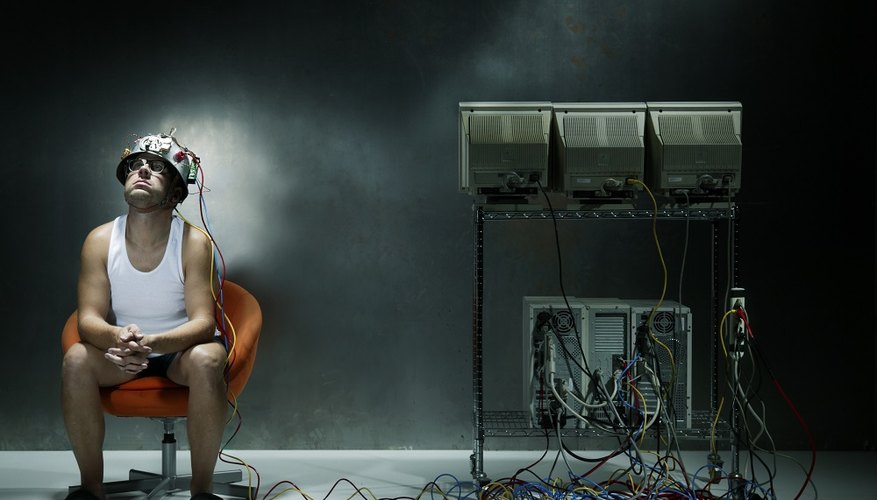
It’s up there with the internal combustion engine and gunpowder in terms of inventions that have changed the way we live, but just like these two examples the internet is not without its downsides. Yes, it has allowed us to access more information than we could possibly use in our lifetime; it has enabled us to meet and communicate with people all over the world; and it has passed the reigns of control from publishers, producers and editors to us the people. But it also has a dark side and it can be a royal pain in the arse.
- Related: The Internet's most bizarre (unmissable) and useless sites Most of the things the internet created were meant to save time, but a lot of them do the opposite.
- Then there’s the Twitter and Facebook updates and you leave the office without having even checked on that shirt you were bidding on eBay.
- **

The big kahuna of internet negatives is the constant exhibition of photos and videos from your social life. The chances of anyone other than the photographer ever seeing those stupid photos of you prancing around with a tea towel on your head used to be miniscule – now they are there for the whole world to see. Many people now have dual social media pages as a result – one with an altered name for their friends and all the photos and imbecilities, and another for their family and colleagues. Consider doing this if the internet has ruined your life.
- Related: The Internet's most bizarre (unmissable) and useless sites Most of the things the internet created were meant to save time, but a lot of them do the opposite.
- Then there’s the Twitter and Facebook updates and you leave the office without having even checked on that shirt you were bidding on eBay.
- **
- It’s up there with the internal combustion engine and gunpowder in terms of inventions that have changed the way we live, but just like these two examples the internet is not without its downsides.
- Many people now have dual social media pages as a result – one with an altered name for their friends and all the photos and imbecilities, and another for their family and colleagues.
Related: Can an employer look at your Facebook profile?
- Related: The Internet's most bizarre (unmissable) and useless sites Most of the things the internet created were meant to save time, but a lot of them do the opposite.
- Then there’s the Twitter and Facebook updates and you leave the office without having even checked on that shirt you were bidding on eBay.
- **
\#14 All disagreements end with Googling

You can’t contradict anyone these days without them or someone else whipping out their iPhone and Googling the correct stat. This can be infuriating rather than satisfying. We used to use rational thought, deduction and debate – now this is made impossible and instead we rely on spurious websites and pushing buttons.
- Related: The Internet's most bizarre (unmissable) and useless sites Most of the things the internet created were meant to save time, but a lot of them do the opposite.
- Then there’s the Twitter and Facebook updates and you leave the office without having even checked on that shirt you were bidding on eBay.
- **
- Related: Can an employer look at your Facebook profile?
- You can’t contradict anyone these days without them or someone else whipping out their iPhone and Googling the correct stat.
Related: The weirdest Google searches, some of us are guilty of
- Related: The Internet's most bizarre (unmissable) and useless sites Most of the things the internet created were meant to save time, but a lot of them do the opposite.
- Then there’s the Twitter and Facebook updates and you leave the office without having even checked on that shirt you were bidding on eBay.
- **
\#13 Living for the moment has taken a severe curbing
Whenever you’re at a gig or sporting event, the crowd, rather than singing, chanting or otherwise enjoying themselves, is more and more made up of people videoing the event. They later post the videos on their social media page to let people know how good a time they had and how cool everything was. They clearly forget the fact that rather than actually getting involved they were like a voyeuristic eunuch at the gang-bang of life.
- Related: The Internet's most bizarre (unmissable) and useless sites Most of the things the internet created were meant to save time, but a lot of them do the opposite.
- Then there’s the Twitter and Facebook updates and you leave the office without having even checked on that shirt you were bidding on eBay.
- **
\#12 Everyone knows the value of everything

Bargains are scarce in a world where, at the click of a mouse button, you can see exactly how much things are selling for on eBay. Even country to country prices are very similar for most global brand goods. Even at antiques fairs and the lowly car boot sale, sellers and buyers alike have more than likely done their homework and won’t budge for a second from the latest “Buy it Now” price.
- Related: The Internet's most bizarre (unmissable) and useless sites Most of the things the internet created were meant to save time, but a lot of them do the opposite.
- Then there’s the Twitter and Facebook updates and you leave the office without having even checked on that shirt you were bidding on eBay.
- **
- Bargains are scarce in a world where, at the click of a mouse button, you can see exactly how much things are selling for on eBay.
\#11 Naked bodies are less thrilling and mysterious

Mainly, though certainly not exclusively, for men, the internet has provided a veritable tsunami of pornography since its inception. Weak, or simply over-curious, men can spend hours a day gaping at the saucy pixels dancing around in cyber space. Other, more pitiable types, have made real the very modern disease of pornography addiction. You may well be among them.
- Related: The Internet's most bizarre (unmissable) and useless sites Most of the things the internet created were meant to save time, but a lot of them do the opposite.
- Then there’s the Twitter and Facebook updates and you leave the office without having even checked on that shirt you were bidding on eBay.
- **
\#10 You have far fewer reasons to go outside

You don’t need a newspaper, you don’t need to go shopping and friends are easier to contact via email or social media. Plus, if you go outside you might run out of battery. You used to like going outside, too. This trend will no doubt see humanity slowly turn into translucent slug-like creatures peering into our screens through inch-thick lenses. Which we bought online.
- Related: The Internet's most bizarre (unmissable) and useless sites Most of the things the internet created were meant to save time, but a lot of them do the opposite.
- Then there’s the Twitter and Facebook updates and you leave the office without having even checked on that shirt you were bidding on eBay.
- **
\#9 You don’t read any more

Not really anyway. You read snippets of news from the mobile versions of internet news sites and just browse the internet when on a bus or train for extended periods. Most people used to carry newspapers or books for this kind of gap in the day. Now we just go cyber shopping, watch videos of cats making funny faces or chat inanely with friends as they do the same.
- Related: The Internet's most bizarre (unmissable) and useless sites Most of the things the internet created were meant to save time, but a lot of them do the opposite.
- Then there’s the Twitter and Facebook updates and you leave the office without having even checked on that shirt you were bidding on eBay.
- **
- You don’t need a newspaper, you don’t need to go shopping and friends are easier to contact via email or social media.
- You read snippets of news from the mobile versions of internet news sites and just browse the internet when on a bus or train for extended periods.
Related: The most controversial books of all time
- Related: The Internet's most bizarre (unmissable) and useless sites Most of the things the internet created were meant to save time, but a lot of them do the opposite.
- Then there’s the Twitter and Facebook updates and you leave the office without having even checked on that shirt you were bidding on eBay.
- **

Yes, very impressive, Dave Crothers, you’re now working at a surf school in Maui. That must be a nice change from your stint as a dive master in Phuket. It always seems that when we log on to social media sites everyone else is having a better time than we are. The fact is they simply care more about what we think than we realise. You think you’re different? There are varying degrees, but chances are you can’t resist bragging when you finally get off your arse and do something.
- Related: The Internet's most bizarre (unmissable) and useless sites Most of the things the internet created were meant to save time, but a lot of them do the opposite.
- Then there’s the Twitter and Facebook updates and you leave the office without having even checked on that shirt you were bidding on eBay.
- **
- Related: The most controversial books of all time Yes, very impressive, Dave Crothers, you’re now working at a surf school in Maui.
- There are varying degrees, but chances are you can’t resist bragging when you finally get off your arse and do something.
\#7 Your CD collection has been rendered worthless
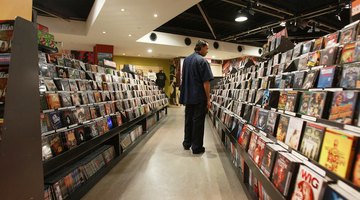
All those hundreds, even thousands, of pounds you spent on that CD collection is now a towering shrine to technological misadventure. “Nobody’s going to come up with anything better than the CD,” we all thought. Although we can rip the music from CDs onto our devices, few do. Most can’t be bothered and the rest simply can’t. We’re just playing ball and buying (or stealing) all our favourites all over again, or using programmes like Spotify or Deezer.
- Related: The Internet's most bizarre (unmissable) and useless sites Most of the things the internet created were meant to save time, but a lot of them do the opposite.
- Then there’s the Twitter and Facebook updates and you leave the office without having even checked on that shirt you were bidding on eBay.
- **
Related: Rockers who should be dead but aren't
- Related: The Internet's most bizarre (unmissable) and useless sites Most of the things the internet created were meant to save time, but a lot of them do the opposite.
- Then there’s the Twitter and Facebook updates and you leave the office without having even checked on that shirt you were bidding on eBay.
- **
\#6 You are completely dependent on it

Like addiction to hard drugs, the internet has ruined your life, but you can’t live without it. You no longer have to go to a shack in the woods to feel cut off from society, you just have to turn off your phone and computer. Try it for a week and you’ll understand the full extent of your reliance on it. You’ll miss job interviews, party invites and many will think you’ve disappeared off the face of the earth. Which you might as well have.
- Related: The Internet's most bizarre (unmissable) and useless sites Most of the things the internet created were meant to save time, but a lot of them do the opposite.
- Then there’s the Twitter and Facebook updates and you leave the office without having even checked on that shirt you were bidding on eBay.
- **
\#5 We’re all PR slime balls now

There’s the real you – your real life and your real thoughts. Then there’s the you that you show the world on the internet. They seem much more interesting, fun, well-rounded and intelligent – precisely because you’ve managed their PR that way. Everyone does it, and I mean everyone. Simply by signing up to social media you’ve become one of the most despicable types on the planet and join the ranks of Alistair Campbell and Max Clifford.
- Related: The Internet's most bizarre (unmissable) and useless sites Most of the things the internet created were meant to save time, but a lot of them do the opposite.
- Then there’s the Twitter and Facebook updates and you leave the office without having even checked on that shirt you were bidding on eBay.
- **
\#4 You spend hours reading reviews before buying something

You used to bite the bullet, go with your instinct or maybe a personal recommendation and buy your new TV in Dixons down the road. Now, every TV in existence has to have its stats cross-checked with every other via the internet. If it doesn’t have at least four stars on Amazon, forget about it. But one review often seems to contradict the next and we’re drawn into a maze of reviews and stats that leaves us more confused and less knowledgeable than when we started.
- Related: The Internet's most bizarre (unmissable) and useless sites Most of the things the internet created were meant to save time, but a lot of them do the opposite.
- Then there’s the Twitter and Facebook updates and you leave the office without having even checked on that shirt you were bidding on eBay.
- **
- There’s the real you – your real life and your real thoughts.
- If it doesn’t have at least four stars on Amazon, forget about it.
Related: The Internet's most bizarre (unmissable) and useless sites
- Related: The Internet's most bizarre (unmissable) and useless sites Most of the things the internet created were meant to save time, but a lot of them do the opposite.
- Then there’s the Twitter and Facebook updates and you leave the office without having even checked on that shirt you were bidding on eBay.
- **
\#3 It steals time

Most of the things the internet created were meant to save time, but a lot of them do the opposite. Take emails – when you get into the office there’s always a big list of them, each of them requiring feedback. You end up having email conversations with 15 different people when 15 phone calls would save much more time and effort. Then there’s the Twitter and Facebook updates and you leave the office without having even checked on that shirt you were bidding on eBay.
- Related: The Internet's most bizarre (unmissable) and useless sites Most of the things the internet created were meant to save time, but a lot of them do the opposite.
- Then there’s the Twitter and Facebook updates and you leave the office without having even checked on that shirt you were bidding on eBay.
- **
Related: The Internet's 15 greatest hidden gems
- Related: The Internet's most bizarre (unmissable) and useless sites Most of the things the internet created were meant to save time, but a lot of them do the opposite.
- Then there’s the Twitter and Facebook updates and you leave the office without having even checked on that shirt you were bidding on eBay.
- **
\#2 You’re now a complete hypochondriac

Got a little pain in your left side? Run it through Google and the millions of internet health sites that appear will have you down with everything from a splinter to leprosy. You may have been a bit of a worrier before, but the internet has now given credence to even your wildest fears. Do yourself a favour and visit your GP before you start typing in your symptoms.
- Related: The Internet's most bizarre (unmissable) and useless sites Most of the things the internet created were meant to save time, but a lot of them do the opposite.
- Then there’s the Twitter and Facebook updates and you leave the office without having even checked on that shirt you were bidding on eBay.
- **
Related: 10 Technologies that make you downright stupid
- Related: The Internet's most bizarre (unmissable) and useless sites Most of the things the internet created were meant to save time, but a lot of them do the opposite.
- Then there’s the Twitter and Facebook updates and you leave the office without having even checked on that shirt you were bidding on eBay.
- **
\#1 You read far too many quirky, inane list-type online articles

If you’ve made it to number 15 then this means you. The problem with the fact that the internet enables anyone to publish anything is, well, it enables anyone to publish anything. There is some serious crap online, but very rarely do things seem to get wiped. There seems to be no internet version of the pulping machine and the crap level just keeps rising. The list-type article is perfectly suited to internet consumption and they can be enjoyable to read, but they’re not going to win any Pulitzers. Maybe this should have been first in the list?
- Related: 10 Technologies that make you downright stupid If you’ve made it to number 15 then this means you.
- The list-type article is perfectly suited to internet consumption and they can be enjoyable to read, but they’re not going to win any Pulitzers.
- Related: The Internet's most bizarre (unmissable) and useless sites Most of the things the internet created were meant to save time, but a lot of them do the opposite.
- Then there’s the Twitter and Facebook updates and you leave the office without having even checked on that shirt you were bidding on eBay.
- **
Related: 14 Classic ways to "troll" on the Internet
- Related: The Internet's most bizarre (unmissable) and useless sites Most of the things the internet created were meant to save time, but a lot of them do the opposite.
- Then there’s the Twitter and Facebook updates and you leave the office without having even checked on that shirt you were bidding on eBay.
- **